Stories you may like
-
Factors influencing healthy ageing
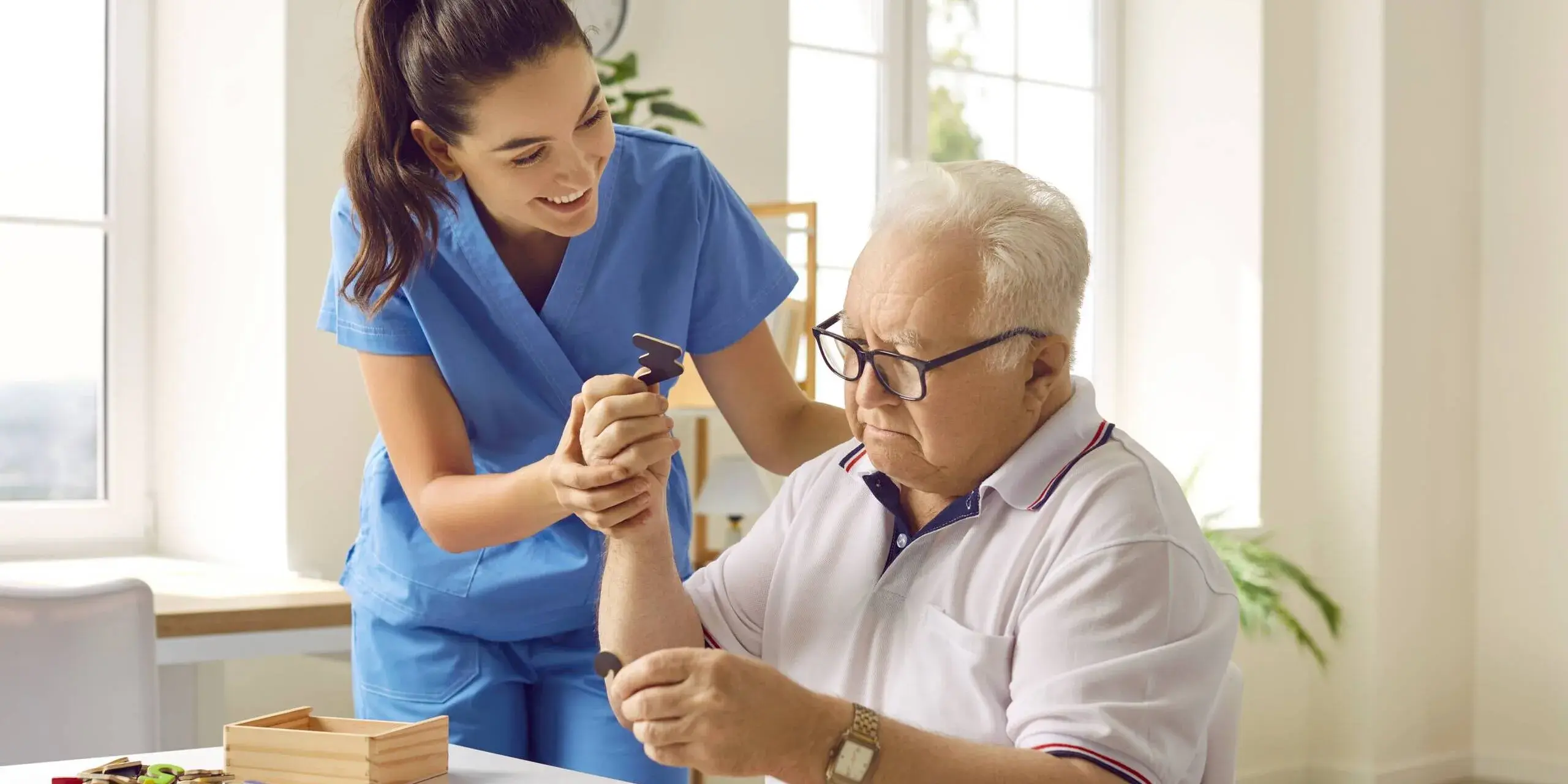
A longer life brings with it opportunities, not only for older people and their families, but also for societies as a whole. Additional years provide the chance to pursue new activities such as further education, a new career or a long-neglected passion. Older people also contribute in many ways to their families and communities. Yet the extent of these opportunities and contributions depends heavily on one factor: health.
Evidence suggests that the proportion of life in good health has remained broadly constant, implying that the additional years are in poor health. If people can experience these extra years of life in good health and if they live in a supportive environment, their ability to do the things they value will be little different from that of a younger person. If these added years are dominated by declines in physical and mental capacity, the implications for older people and for society are more negative.
Although some of the variations in older people’s health are genetic, most is due to people’s physical and social environments – including their homes, neighbourhoods, and communities, as well as their personal characteristics – such as their sex, ethnicity, or socioeconomic status. The environments that people live in as children – or even as developing fetuses – combined with their personal characteristics, have long-term effects on how they age.
Physical and social environments can affect health directly or through barriers or incentives that affect opportunities, decisions and health behaviour. Maintaining healthy behaviours throughout life, particularly eating a balanced diet, engaging in regular physical activity and refraining from tobacco use, all contribute to reducing the risk of non-communicable diseases, improving physical and mental capacity and delaying care dependency.
Supportive physical and social environments also enable people to do what is important to them, despite losses in capacity. The availability of safe and accessible public buildings and transport, and places that are easy to walk around, are examples of supportive environments. In developing a public-health response to ageing, it is important not just to consider individual and environmental approaches that ameliorate the losses associated with older age, but also those that may reinforce recovery, adaptation and psychosocial growth.
The UN Decade of Healthy Ageing (2021–2030) seeks to reduce health inequities and improve the lives of older people, their families and communities through collective action in four areas: changing how we think, feel and act towards age and ageism; developing
Dental Assistants are trained personnel who provide chair side assisting, four-handed dentistry, radiology and the use of dental materials in Dental clinic. Dental Assistants greatly increase the efficiency of the dentist in the delivery of quality oral health care. They are the second pair of hands for the dentists.
They mix dental materials, provide oral evacuation during dental procedures. It is the duty of the dental assistant to make the patients as comfortable as possible and relaxed for their treatment. They work along with the dentist as they examine and treat patients.
They hand instruments and materials to the dentist and keep patients' mouths dry and clear by using suction or other devices.
Dental Assistants are also involved in the administration of the Dental practice by answering telephones and making appointments.
ELIGIBILITY CRITERIA
High school / 10th/ 12th candidates with biology, chemistry, health subjects can join for a dental training course to start a career as a dental assistant. There are numerous dental colleges and schools in India, providing training courses on dental-assisting programs.
Diploma in Dental Assistance and Dental Operation Room Assistant (DORA) are two main courses in this field. The duration of these courses may vary from 10 months to 2 years, depending on the institute. These courses teaches variety of skills needed for a dental assisting career.
The course includes a study of basic body systems and functions, oral anatomy, dental science, dental materials, computer and office applications, and oral radiology in preparation for these job duties. It may also include classroom and laboratory work in which students learn about teeth, gums, jaws and other areas that dentists work on.
An internship during the course offers students the opportunity to practice their learned skills in a dental office environment and prepare for their dental assisting career.
SKILL REQUIREMENTS
A Dental Assistant require the following skills:
• ability to co-operate and work as part of a team.
• Should remain calm under pressure and in emergencies.
• Strong listening and speaking skills are necessary for communicating with dentists and patients.
• Excellent organizational and time management skills are also desirable.
• good critical thinking skills, which will allow him or her to evaluate alternative solutions to problems.
JOB MARKET
Employment of dental assistants is projected to grow 18 percent from 2014 to 2024, much faster than the average for all occupations. Ongoing research linking oral health and general health will likely continue to increase the demand for preventive dental services.
If you are seeking an employment as a Dental Assistant , we provide a platform to assess whether you are fit for the job role. We assess your skills and provide Skill Assessment Record that helps you get your dream job.
Employers who are in search for applicants with job specified necessary skills can find quality candidates from us.
Job Seekers and Employers can furnish your details here, if you finds our platform a fertile soil to sow your aim...





User's Comments
Farhan kenwood Reply
Book a kid-friendly dental cleaning appointment and ensure your children develop strong, healthy teeth. Dentist
Farhanjani jani Reply
Find professional behavioral health services in Virginia with personalized psychiatric evaluations, medication management, treatment guidance, and secure telehealth care. OCD and ADHD specialist
Kenwood bill set Reply
If you are searching for the best treatment for bipolar disorder, consider professional psychiatric care that combines careful evaluation, appropriate medication management, ongoing monitoring, and supportive lifestyle strategies. Depression Treatment in Maryland