Stories you may like
-
Factors influencing healthy ageing
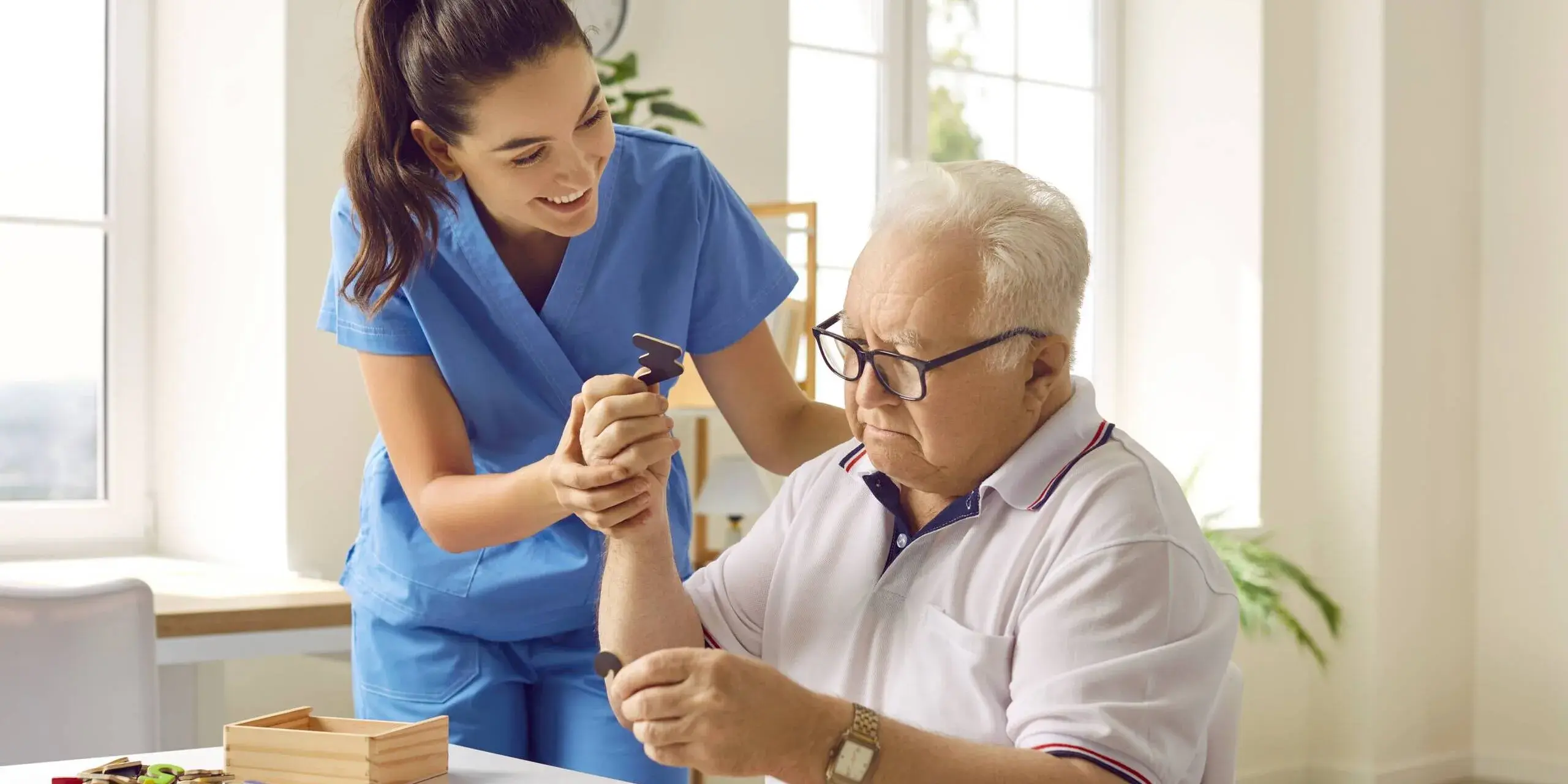
A longer life brings with it opportunities, not only for older people and their families, but also for societies as a whole. Additional years provide the chance to pursue new activities such as further education, a new career or a long-neglected passion. Older people also contribute in many ways to their families and communities. Yet the extent of these opportunities and contributions depends heavily on one factor: health.
Evidence suggests that the proportion of life in good health has remained broadly constant, implying that the additional years are in poor health. If people can experience these extra years of life in good health and if they live in a supportive environment, their ability to do the things they value will be little different from that of a younger person. If these added years are dominated by declines in physical and mental capacity, the implications for older people and for society are more negative.
Although some of the variations in older people’s health are genetic, most is due to people’s physical and social environments – including their homes, neighbourhoods, and communities, as well as their personal characteristics – such as their sex, ethnicity, or socioeconomic status. The environments that people live in as children – or even as developing fetuses – combined with their personal characteristics, have long-term effects on how they age.
Physical and social environments can affect health directly or through barriers or incentives that affect opportunities, decisions and health behaviour. Maintaining healthy behaviours throughout life, particularly eating a balanced diet, engaging in regular physical activity and refraining from tobacco use, all contribute to reducing the risk of non-communicable diseases, improving physical and mental capacity and delaying care dependency.
Supportive physical and social environments also enable people to do what is important to them, despite losses in capacity. The availability of safe and accessible public buildings and transport, and places that are easy to walk around, are examples of supportive environments. In developing a public-health response to ageing, it is important not just to consider individual and environmental approaches that ameliorate the losses associated with older age, but also those that may reinforce recovery, adaptation and psychosocial growth.
The UN Decade of Healthy Ageing (2021–2030) seeks to reduce health inequities and improve the lives of older people, their families and communities through collective action in four areas: changing how we think, feel and act towards age and ageism; developing
Health and safety advisers/officers develop, maintain and protect health and safety standards within public and private organisations in accordance with current health and safety legislation. It is becoming increasingly more common for health and safety advisers to have completed a relevant degree.
Health and safety advisers are employed by a wide range of public and large private sector organisations including local authorities, hospitals, construction/engineering companies, colleges and universities, manufacturers, chemical processing plants and food processing/packaging plants. In industries such as construction, the role is often combined with that of environmental management:
Typical responsibilities of the job include:
-
investigating/recording incidents, accidents, complaints and cases of ill health
-
undertaking risk assessments and site inspections
-
ensuring that equipment is installed correctly/safely
-
identifying potential hazards
-
determining ways of reducing risks
-
writing internal health and safety policies/strategies
-
compiling statistics
-
drawing up safe operational practices and making necessary changes
-
writing reports, bulletins and newsletters
-
making presentations to groups of employees/managers
-
providing health and safety meetings and training courses for employees
-
liaising with relevant authorities
-
keeping up to date and ensuring compliance with current health and safety legislation
Qualifications and training required
To become a full-time health and safety adviser you will usually need a qualification approved by the Institution of Occupational Safety and Health (IOSH). Entry requirements for these qualifications vary between course providers, but you will usually need a minimum degree or equivalent. Degrees in health and safety, risk management, engineering, construction, business, management and law may be beneficial.
There are introductory courses available that can aid your entry into a health and safety career and which don’t necessarily require a degree. Relevant scientific or technical work experience (either paid or voluntary) can also be advantageous.
Key skills for health and safety advisers
Employers seek candidates who are calm, patient and assertive, with excellent negotiation, communication and interpersonal skills. They should also have strong analytical, problem-solving and organisational skills. Additionally, health and safety advisers should be physically fit, IT literate and capable of acquiring and applying detailed legal, technical and regulatory information.





User's Comments
No comments there.