

Stories you may like
Artist
An artist is an individual who engages in the creation and expression of art. Artists employ various mediums, techniques, and forms to convey their ideas, emotions, and experiences. They use their skills, creativity, and imagination to produce works of art that can encompass a wide range of disciplines, including painting, sculpture, drawing, photography, printmaking, installation art, performance art, and more.
Artists often draw inspiration from their surroundings, personal experiences, cultural influences, historical context, or abstract concepts. They explore different themes, experiment with materials, and employ various artistic techniques to communicate their unique artistic vision. Artists may work independently or collaborate with others, and their creations can be exhibited in galleries, museums, public spaces, or shared through digital platforms.
Beyond creating art, artists play a vital role in society by challenging norms, questioning assumptions, reflecting social issues, preserving cultural heritage, and fostering dialogue. They contribute to the enrichment of cultural diversity and have the power to evoke emotions, provoke thought, and offer new perspectives, making a significant impact on individuals and communities.
Ultimately, being an artist is not just about technical skill or the ability to create aesthetically pleasing objects; it is a mindset, a way of seeing the world, and a means of self-expression that can touch and transform lives. Artists bring beauty, creativity, and meaning to the world, making them an integral part of our cultural fabric and human experience.
Artists engage in a wide range of activities as part of their artistic practice. Here are some common activities that artists typically undertake:
- Creating Art: Artists spend a significant amount of time creating their artwork. They use their skills, techniques, and imagination to produce original pieces that can take various forms, such as paintings, sculptures, drawings, installations, photographs, performances, or mixed media works.
- Developing Concepts and Ideas: Artists often spend time exploring and developing their concepts and ideas. They may research, sketch, experiment with materials, and brainstorm to refine their artistic vision and determine the best approach for expressing their intended message or exploring a specific theme.
- Experimenting with Techniques and Materials: Artists continuously explore different techniques, materials, and mediums to expand their creative repertoire. They may experiment with new tools, technologies, and unconventional materials to push the boundaries of their art and explore new possibilities.
- Researching and Studying: Artists engage in research and study to deepen their understanding of art history, cultural context, contemporary trends, and relevant subjects related to their artistic practice. They may study the works of other artists, explore different artistic movements, or investigate specific topics to inform and enrich their own creative process.
- Exhibiting and Sharing Artwork: Artists showcase their artwork to the public through exhibitions, galleries, museums, art fairs, or online platforms. They prepare their work for display, collaborate with curators, and engage in the logistics of presenting their artwork in a way that effectively communicates their artistic vision.
- Networking and Collaborating: Artists often engage in networking activities to connect with other artists, art professionals, curators, collectors, and potential collaborators. They attend art events, participate in artist communities, and build relationships that can lead to collaborations, opportunities, and exposure for their work.
- Marketing and Promotion: Artists need to promote their work to reach a wider audience and connect with potential buyers or patrons. They may develop a portfolio, create a website, utilize social media, participate in art competitions, or work with galleries or agents to market and promote their artwork.
- Professional Development: Artists engage in ongoing professional development to enhance their skills, stay informed about industry trends, and expand their knowledge. This may involve attending workshops, conferences, or artist talks, taking additional courses, or seeking mentorship from established artists.
- Engaging with the Art Community: Artists often participate in the art community by attending art openings, gallery receptions, artist talks, or panel discussions. They contribute to the art dialogue, exchange ideas with peers, and support the growth and development of the art community.
- Reflecting and Evolving: Artists frequently reflect on their own work, seeking feedback, critiques, and self-evaluation. They embrace continuous learning and growth, adapting their artistic practice, techniques, and concepts over time.
Workplace of an Artist
The workplace of an artist can vary depending on their chosen medium, style, and personal preferences. Here are some common work environments where artists may find themselves:
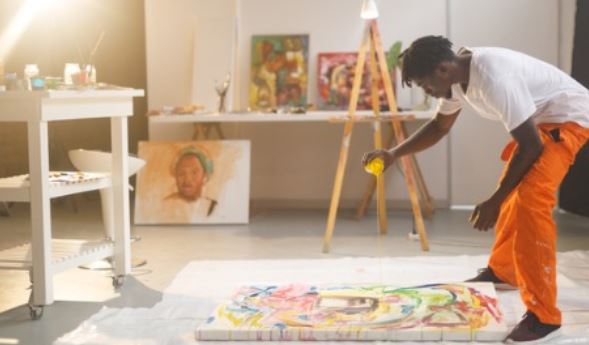
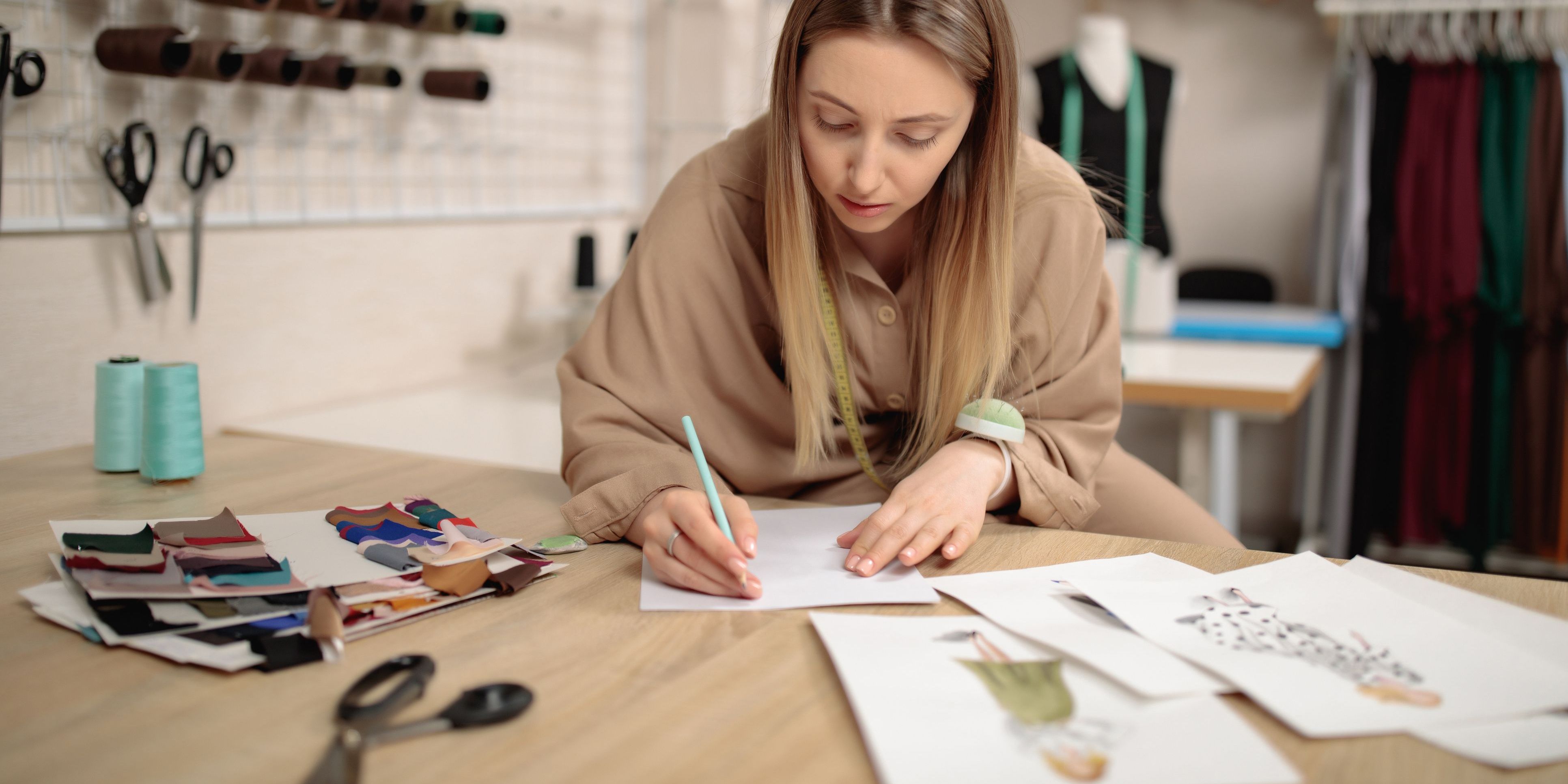
Studio: Many artists have their own dedicated studio space where they create their artwork. Studios can range from small home-based setups to large, shared artist studios or purpose-built spaces. These spaces provide artists with the necessary tools, materials, and a private environment to focus on their creative process.
Home: Some artists choose to work from their homes, especially if they have a setup that allows them to create their artwork comfortably. Working from home offers convenience and flexibility, allowing artists to integrate their artistic practice seamlessly into their daily lives.
Galleries and Exhibition Spaces: Artists often exhibit their work in galleries, museums, or other exhibition spaces. These venues provide a platform for artists to showcase their artwork to the public. Artists may have the opportunity to display their work in solo or group exhibitions, allowing them to engage with art enthusiasts and potential buyers.
Outdoor Spaces: Some artists, such as landscape or environmental artists, may choose to work directly in outdoor environments. They may create their artwork in natural landscapes, urban settings, or public spaces, interacting with the surroundings as they produce their pieces.
Community or Public Projects: Artists engaged in community or public art projects may work in collaboration with organizations, local communities, or public institutions. They may create artworks that contribute to the beautification of public spaces, address social issues, or promote community engagement.
Workshops and Educational Institutions: Artists who teach or conduct workshops may work in educational institutions, community centers, or their own private studios. They may share their artistic knowledge, techniques, and skills with students or aspiring artists.
Digital and Virtual Spaces: With the rise of digital art and technology, artists may also work in virtual or online spaces. They can create digital artwork using digital tools, software, or virtual reality platforms. Online galleries and art platforms also provide opportunities for artists to showcase and sell their work to a global audience.
Collaborative Spaces: Some artists thrive in collaborative environments where they can interact and exchange ideas with other artists or creative professionals. These spaces may include artist collectives, co-working spaces, or creative hubs where artists can collaborate, network, and find inspiration.
How to become an Artist
Becoming an artist is a unique and personal journey, but here are some general steps and considerations to help you embark on your path:
- Explore Your Passion: Start by exploring your passion for art. Identify the specific medium or artistic discipline that resonates with you the most, whether it's painting, sculpture, ceramics, photography, illustration, graphic design, commercial art, digital art, or any other form of artistic expression.
- Learn and Develop Skills: Acquire the necessary skills and techniques related to your chosen medium. Take art classes, workshops, or courses either in person or online. Learn from experienced artists, art schools, community centers, or educational institutions that offer fine arts or multimedia arts programs.
- Practice Regularly: Dedicate time to regular practice and experimentation. Set aside specific hours each day or week to create art. Consistency is key to improving your skills, developing your unique style, and building a strong portfolio.
- Study Art History and Contemporary Art: Expand your knowledge and understanding of art history and contemporary art movements. Study the works of renowned artists and explore different artistic styles, periods, and cultural contexts. This knowledge can provide inspiration and help you develop a deeper appreciation for art.
- Build a Portfolio: Develop a portfolio of your artwork. Select your best and most representative pieces to showcase your skills and artistic vision. A portfolio is crucial when applying for opportunities, exhibitions, grants, or when seeking representation by galleries or agents.
- Seek Feedback and Critique: Engage with the art community and seek feedback from other artists, mentors, or art professionals. Participate in art classes, workshops, or art groups where you can receive constructive criticism and learn from others' perspectives.
- Exhibit Your Work: Look for opportunities to exhibit your artwork in galleries, local art shows, community centers, or alternative exhibition spaces. Participate in group shows or consider organizing your own solo exhibition. Exhibiting your work allows you to gain exposure, receive feedback, and connect with art enthusiasts and potential buyers.
- Network and Collaborate: Engage with fellow artists, attend art events, and network with art professionals, curators, gallery owners, and collectors. Building relationships in the art world can open doors to collaborations, commissions, and future opportunities.
- Promote Your Art: Establish an online presence to showcase your artwork. Create a website or online portfolio, and utilize social media platforms to share your work, engage with your audience, and connect with potential buyers or patrons. Consider participating in art competitions, art fairs, or submitting your work to relevant publications or online platforms.
- Continued Learning and Growth: Embrace lifelong learning and stay open to new ideas, techniques, and artistic influences. Attend workshops, conferences, or artist talks to expand your knowledge, refine your skills, and stay informed about industry trends and contemporary art practices.
skills
- Artistic ability. Artists create artwork and other objects that are visually appealing or thought-provoking. This endeavor usually requires significant skill and attention to detail in one or more art forms.
- Business skills. Artists must promote themselves and their art to build a reputation and to sell their art. They often study the market for their crafts or artwork to increase their understanding of what potential customers might want. Many artists sell their work on the Internet, so developing an online presence is an important part of their art sales.
- Creativity. Artists must have active imaginations to develop new and original ideas for their work.
- Customer-service skills. Artists, especially those who sell their work themselves, must be good at dealing with customers and potential buyers.
- Dexterity. Most artists work with their hands and must be good at manipulating tools and materials to create their art.
- Interpersonal skills. Artists often must interact with many people, including coworkers, gallery owners, and the public.
Salary of an Artist
Average Salary Overview (2025 Estimates)
Region Average Annual Salary
India 3,00,000 – ₹10,00,000
United States $45,000 – $90,000
United Kingdom £25,000 – £50,000
Canada CAD $40,000 – $75,000
Australia AUD $50,000 – $85,000 |
Factors Affecting Artist Salaries
1. Type of Art:
Fine Artist (painter, sculptor) – Earnings vary based on exhibitions, commissions, and gallery sales.
Digital Artist/Illustrator– ₹4–12 LPA in India; $50K+ in the US.
Graphic Designer** – ₹3–8 LPA in India; $45K–$75K in the US.
Animator or Concept Artist** – ₹5–15 LPA in India; $55K–$90K in the US.
2. Experience Level:
Entry-level (0–2 yrs):₹2–4 LPA / $35K
Mid-level (3–7 yrs):** ₹5–10 LPA / $50K–$70K
Senior/Established:** ₹12+ LPA / $80K+
3. Employment Type:
Freelance Artists often earn per project (₹20,000–₹1 lakh+ per project).
Gallery Artists earn through commissions and exhibitions.
Corporate/Agency Artists receive stable monthly salaries.
Career Outlook
Job Growth: Positive — increasing demand in digital media, gaming, entertainment, and advertising.
Top Industries: Gaming, Film, Animation, Advertising, Publishing, Interior Design, Fashion.




User's Comments
No comments there.