


Stories you may like
Food Scientist
A food scientist applies scientific principles to the study, development, and improvement of food products. These experts work across various sectors of the food industry, contributing to the creation of safe, nutritious, and appealing foods.
Food scientists employ their knowledge of chemistry, microbiology, and engineering to investigate the properties of ingredients, assess the impact of processing methods, and enhance the overall quality of food products. Their role involves conducting experiments, analyzing data, and interpreting results to understand the chemical, physical, and sensory aspects of food. Their work is integral to shaping the food landscape by introducing new products and technologies that align with consumer preferences and industry standards.
Duties and Responsibilities
The duties and responsibilities of a food scientist encompass a broad range of activities focused on research, development, and quality assurance within the food industry. These professionals play a pivotal role in ensuring the safety, quality, and innovation of food products. Here are key duties and responsibilities associated with the role:
- Research and Development: Conduct research to explore new ingredients, processing methods, and formulations to improve existing food products or create innovative ones. Collaborate with cross-functional teams, including food technologists, engineers, and sensory scientists, to bring new concepts to fruition.
- Quality Control and Assurance: Implement and oversee quality control measures to ensure that food products meet established standards for taste, texture, appearance, and safety. Develop and implement quality assurance programs to adhere to regulatory requirements and maintain consistent product quality.
- Food Safety: Address food safety concerns by implementing and monitoring Hazard Analysis and Critical Control Points (HACCP) systems. Stay updated on food safety regulations and collaborate with regulatory affairs teams to ensure compliance with industry standards.
- Product Optimization: Optimize existing product formulations and processing methods to enhance efficiency, cost-effectiveness, and overall quality. Troubleshoot and address challenges related to production processes to maintain product integrity.
- Sensory Evaluation: Conduct sensory evaluations to assess the taste, aroma, and overall sensory attributes of food products. Use sensory data to make informed decisions about product formulations and improvements.
- Collaboration and Communication: Collaborate with cross-functional teams, including marketing, sales, and production, to align product development with market demands. Communicate findings and recommendations effectively to both technical and non-technical stakeholders.
- Documentation and Reporting: Maintain detailed records of experiments, test results, and product specifications. Prepare comprehensive reports summarizing research findings, quality metrics, and recommendations for process improvements.
- Innovation and Trends: Stay abreast of industry trends, emerging technologies, and consumer preferences to drive innovation in food product development. Attend conferences, workshops, and industry events to network and gather insights.
- Regulatory Compliance: Ensure compliance with federal, state, and local regulations governing food safety, labeling, and product claims. Collaborate with regulatory affairs teams to facilitate inspections and audits.
Workplace of a Food Scientist
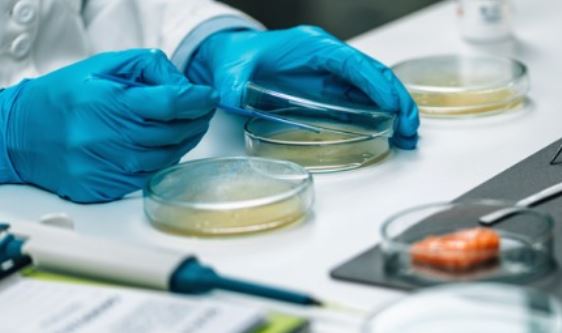
The workplace of a food scientist is diverse, spanning various sectors of the food industry, research institutions, and regulatory bodies. Food scientists may find employment in food manufacturing companies, where they contribute to research and development, quality control, and product innovation. In these settings, they often work in state-of-the-art laboratories, pilot plants, and production facilities, engaging in experiments, testing, and formulation of new food products. The manufacturing environment allows for hands-on involvement in optimizing processing methods and ensuring the efficiency and safety of food production.
Research institutions, including universities and private research organizations, also serve as workplaces for food scientists. Here, professionals are involved in cutting-edge research, exploring new technologies, and advancing scientific knowledge in areas such as food chemistry, microbiology, and sensory science. Collaboration with academic peers and graduate students provides an intellectual environment for discovery and innovation. Additionally, food scientists contribute to regulatory affairs in government agencies, ensuring that food products adhere to safety standards and compliance with regulations set by agencies such as the Food and Drug Administration (FDA) and the United States Department of Agriculture (USDA).
The corporate landscape for food scientists extends beyond the laboratory, as they actively engage with cross-functional teams. This includes collaboration with marketing and sales teams to align product development with consumer preferences and market trends. Communication skills are crucial as food scientists convey their findings and recommendations to non-technical stakeholders. As part of quality assurance teams, they play a role in implementing and overseeing food safety protocols, including Hazard Analysis and Critical Control Points (HACCP) systems.
How to become a Food Scientist
Becoming a food scientist involves a combination of education, practical experience, and continuous learning. Here's a guide to help you pursue a career as a food scientist:
- Educational Background: Obtain a Bachelor's Degree in Food Science, Food Technology, or a closely related field. Ensure that the program is accredited by relevant bodies to ensure a comprehensive education. Take courses that cover key areas such as food chemistry, microbiology, food engineering, and sensory science. Consider specializing in a specific area of interest, such as food safety, product development, or quality control.
- Internships and Research Opportunities: Seek internships or research opportunities during your undergraduate studies. Practical experience is valuable and provides hands-on exposure to the work environment of a food scientist.
- Advanced Degrees (Optional): While a bachelor's degree is the minimum requirement, pursuing a Master's or Ph.D. in Food Science can enhance your career prospects, especially if you're interested in research or specialized roles.
- Networking: Attend industry conferences, seminars, and networking events to connect with professionals in the field. Building a network can provide valuable insights, mentorship, and potential job opportunities.
- Certifications (Optional): Consider obtaining relevant certifications to enhance your qualifications. Certifications related to food safety, quality control, and regulatory compliance can be valuable. Examples include the Certified Food Scientist (CFS) designation (see below).
- Build Technical and Analytical Skills: Develop proficiency in laboratory techniques, data analysis, and research methodologies. Strong technical and analytical skills are crucial for success in the field.
- Apply for Entry-Level Positions: Look for entry-level positions in food manufacturing companies, research institutions, or regulatory agencies. Positions such as lab technician, research assistant, or quality control technician can serve as starting points.
- Gain Practical Experience: Gain hands-on experience in food science by actively participating in product development, quality control, or research projects. Practical experience is highly valued by employers.
- Build a Strong Resume: Tailor your resume to highlight your education, relevant coursework, internships, and any specialized skills or certifications. Be prepared to discuss your educational background, practical experience, and problem-solving skills during job interviews.
Key skills needed to become a Food Scientist
Technical & Scientific Skills
1. Food Chemistry– Understanding the chemical composition of food and how it changes during processing or storage.
2. Microbiology– Knowledge of microorganisms in food (bacteria, molds, yeasts) and their effects on safety and quality.
3. Nutrition Science – Understanding nutrients and their role in health and diet formulation.
4. Food Processing & Preservation– Skills in designing and improving food processing methods to maintain safety and flavor.
5. Quality Assurance & Control – Applying standards (like HACCP, ISO) to ensure consistent product safety and quality.
6. Sensory Evaluation – Testing and analyzing taste, texture, and appearance to meet consumer expectations.
Analytical & Research Skills
1. Laboratory Skills – Conducting experiments, collecting data, and interpreting results accurately.
2. Problem-Solving – Identifying and resolving issues in production, safety, or formulation.
3. Data Analysis – Using statistical tools and software to evaluate experimental outcomes.
Technical Tools & Software
1. Statistical Software – SPSS, SAS, or R for data analysis.
2. Laboratory Instruments – Spectrophotometers, chromatographs, pH meters, etc.
3. Food Design & Formulation Software– For product development and nutritional analysis.
Soft Skills
1. Communication – Writing reports, presenting findings, and collaborating with cross-functional teams.
2. Attention to Detail – Precision in measurements, formulations, and documentation.
3. Project Management – Coordinating multiple tasks, timelines, and team efforts.
4. Creativity & Innovation – Developing new products, flavors, and sustainable food solutions.
Emerging & Industry-Specific Skills
1. Food Safety Regulations – Understanding global standards (FDA, FSSAI, EFSA, etc.).
2. Sustainability & Food Innovatio– Knowledge of plant-based, functional, and eco-friendly food technologies.
3. Biotechnology Applications – Using genetics and fermentation in food development.










User's Comments
No comments there.