


Stories you may like
Could Artificial Intelligence Be Dangerous?
The rapid advancement of artificial intelligence has transformed nearly every aspect of modern life—from how people work and communicate to how data is analyzed, products are developed, and services are delivered. AI tools are powering innovation at a pace never seen before, and yet, along with its promise, AI raises growing concerns. Questions about the dangers of artificial intelligence, ethical use, and long-term consequences are now central to global discourse. Could AI be dangerous? And if so, to what extent?
1.Understanding Artificial Intelligence And Its Expanding Role
Artificial intelligence refers to the simulation of human intelligence in machines that are programmed to think, learn, and solve problems. From generative AI to predictive analytics, AI systems are being deployed in industries such as healthcare, finance, education, and defense.
Current AI tools like ChatGPT, self-driving cars, and automated decision-making systems demonstrate the power of machine learning algorithms and vast training data sets. These AI technologies analyze patterns, adapt behavior based on input, and generate human-like responses or predictions. But this growing capability also raises red flags: AI could be misused, misunderstood, or behave unpredictably without human oversight.
2. Risks Of AI Development And Use
The development and use of AI bring a series of risks that range from practical to philosophical. Many AI experts warn that even current AI models pose challenges that could grow into systemic threats.
AI bias is one such issue. Since AI systems are trained on human-generated data, they can reflect or even amplify existing social biases. This can have serious consequences in hiring, policing, and loan approvals, where decisions directly affect human lives. Predictive algorithms may appear neutral, but without proper intervention, they can produce biased results that harm marginalized communities.
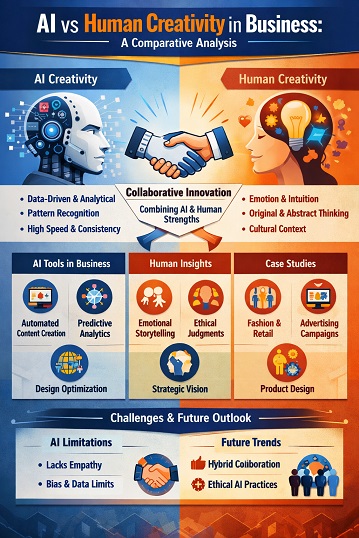
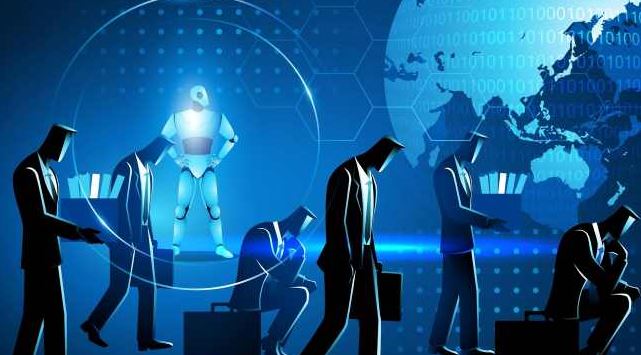
Another growing concern is automation and job displacement. AI may replace roles in customer service, content creation, and even aspects of healthcare, leading to significant shifts in the job market. While AI may create new jobs, it will also demand a shift in the skills required, leaving many behind unless education systems evolve quickly.
3. The Dangers Of Artificial Intelligence In The Wrong Hands
The dangers of AI intensify when systems are used by bad actors or without ethical guidelines. AI-generated content, such as deepfakes or fake news, can manipulate public opinion or incite violence. AI chatbots could be used for psychological manipulation, phishing, or even to spread extremist ideologies.
AI agents that autonomously perform tasks online or in physical environments could be exploited to disrupt systems, damage infrastructure, or harm humans. Without proper safeguards, the misuse of AI by malicious actors represents one of the biggest risks of modern technology.
Moreover, the AI arms race among global powers may lead to systems being deployed without sufficient AI safety protocols. With defense applications expanding, including drone swarms and automated targeting systems, questions arise about whether AI can distinguish between combatants and civilians—or if such systems should even be developed in the first place.
4. Data Privacy And AI Surveillance Risks
Another critical threat linked to AI technologies is the erosion of data privacy and security. AI thrives on massive datasets, much of which comes from human behavior online. But when collected and processed without transparency, AI systems may cross ethical lines.
The rise of surveillance capitalism, predictive behavior tracking, and facial recognition have sparked debates about individual freedom versus technological progress. If unchecked, AI development could lead to mass surveillance, corporate profiling, and loss of autonomy.
As AI systems become more advanced, the lines between consent and coercion blur. People may not even be aware when their data is being used to train new AI models, target ads, or influence decisions.
5. Existential Risks And Superintelligent AI
Perhaps the most chilling risk of all lies in the realm of existential threats. Visionaries like Elon Musk, Sam Altman, and Geoffrey Hinton have sounded alarms about the long-term dangers of building artificial general intelligence or superintelligent AI—machines that surpass human intelligence in all respects.
While such systems are still theoretical, the concern is not unfounded. If AI becomes too powerful, too autonomous, or develops its own goals, humanity may lose control. The Future of Life Institute and the Center for AI Safety have published open letters urging a slowdown in AI advancement until safety mechanisms are in place.
AI that can create its own goals, improve itself recursively, or act without human intervention represents a true existential risk. The problem isn’t whether AI is dangerous today—it’s whether we’re prepared for AI that could evolve faster than human oversight can manage.
6.Can We Make AI Safe?
Mitigating the dangers of artificial intelligence requires robust AI policy, ethical frameworks, and international cooperation. AI safety is not a single tool or protocol—it’s an evolving strategy that must address technical, legal, and social challenges.
Efforts are being made to develop explainable AI, transparency in algorithm design, and regulatory frameworks that guide responsible innovation. OpenAI and similar organizations are increasingly focused on managing the risks of advanced AI while maximizing its benefits for society.
Human oversight, ethical reviews, and better training datasets are essential, but they may not be enough if AI evolves into forms we can’t predict. It’s critical that we don’t treat AI development as a race but as a shared responsibility.
7. The Road Ahead: Balancing Innovation With Responsibility
AI’s potential is undeniable. It can revolutionize healthcare, education, and climate science. But as with any powerful tool, the risks and dangers must be addressed proactively. The goal is not to halt progress but to ensure that progress is safe, ethical, and sustainable.
AI companies, governments, and researchers must collaborate to set international standards, monitor misuse, and prevent unintended consequences. The idea that AI should be aligned with human values is not just idealistic—it’s necessary for survival.
Conclusion
Artificial intelligence has the potential to uplift or endanger humanity depending on how it is developed and used. While AI tools already provide powerful solutions across industries, they also expose society to complex ethical challenges, security vulnerabilities, and long-term existential threats. The dangers of AI are not speculative—they are emerging, multifaceted, and global.
Whether AI may replace human labor, invade privacy, or evolve into a superintelligent force beyond our control, the risks cannot be ignored. Responsible innovation, global cooperation, and robust AI safety measures must shape the future of AI. As the development of AI accelerates, so too must our vigilance in making AI safe—not just for our generation, but for those to come.




User's Comments
No comments there.