


Stories you may like
Hatchery Technician
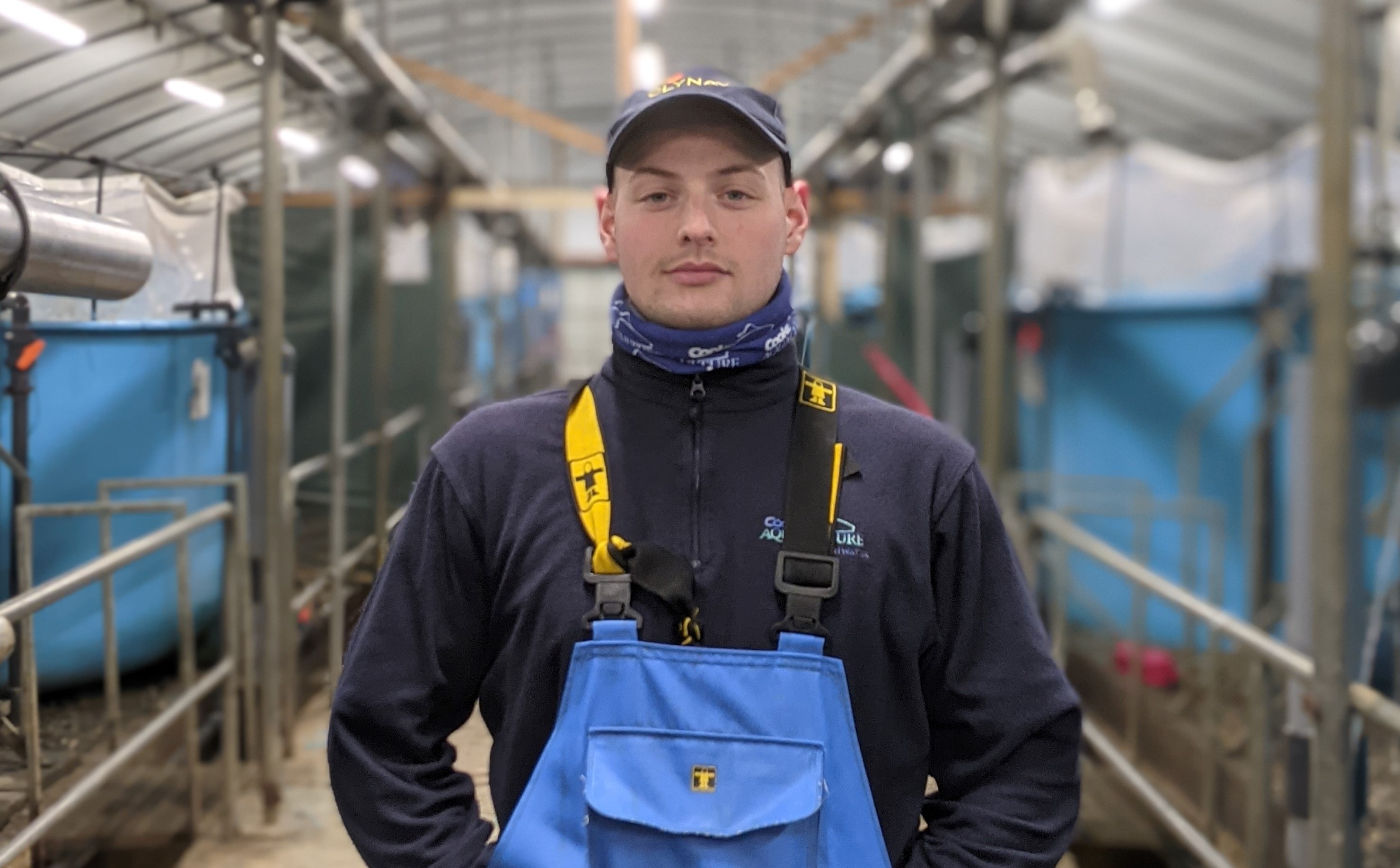
Hatchery Technicians support the growth of farmed fish in the freshwater stages of production. In aquaculture, fish are hatched and reared through the early stages of life in land-based freshwater hatcheries. The young fish remain at the freshwater site until they are approximately one year old, when they become smolts and can survive in seawater.
Hatchery Technicians focus is on successful and sustainable fish production from egg to smolt stage, ready to move onto the marine stage of their development. They are responsible for general fish husbandry, responding to any changes in the environment of the fish, and perform general farm maintenance tasks to keep the operation running.
What do Aquaculture Hatchery Technician's do?
Aquaculture Hatchery Technician is a professional who works with hatcheries and farms that specialize in aquaculture. They are responsible for feeding and caring for water animals, ensuring optimal water conditions, and maintaining hatcheries to ensure production of healthy, safe aquatic species. They are also responsible for selecting species and monitoring growth and health of aquatic animals in hatcheries and fish farms.
Who is this for
The ideal Aquaculture Hatchery Technician is a detail-oriented, resourceful individual with great technical and problem-solving skills and an understanding of fish biology and water quality principles. They should be able to work independently while following instructions and be comfortable working outdoors, handling different species of fish, and interacting with an interdisciplinary team. They should also display strong communication skills and have the ability to multitask in a fast-paced environment.
Job stability
Aquaculture Hatchery Technician is a stable job as it is a permanent full-time position with job security and benefits. The duties of this position typically require ongoing maintenance and the successful care of aquatic species on the hatchery"s premises.
Responsibilities
• Monitor and adjust water quality parameters to ensure optimal environmental conditions for fish
• Administrate nutrition for fish and other aquatic animals
• Conduct feed batching, juvenile selection and grading
• Supervise and monitor broodstock, larvae, and juvenile culture
• Perform water quality tests and tuning of system parameters
• Clean, inspect, and repair hatchery systems and recirculation equipment
• Prepare reports on facility activities, production records, and inventories
• Monitor disease problems and advise on treatment strategies
• Learn, observe, and follow safety policies, procedures, and regulations
• Collect, input, and analyze data on conditions of systems and produces output graphs
• Actively participate in fish harvests, euthanasia, and other hatchery related operations
• Coordinate with a team of hatchery technicians to ensure daily goals are met
Skills/Knowledge
You’ll need:
-
an enthusiasm for fish, their environment and welfare
-
good communication, time management and planning skills
-
to be flexible to meet the demands of the job
-
to use computer competently
-
to understand and interpret data, and make decisions to get results
-
to ensure safe working practices
A driver’s licence is needed for this role – you may need to collect feed or equipment and will have access to a company vehicle. Some aquaculture companies will support employees to pass their driving test if they don’t have their licence already. You’ll need to take short courses to learn how to operate equipment or forklifts.
Day to Day
-
Breed fish, either by hatching eggs from adult fish or buying in young fish and rearing them
-
Feed fish by hand or by filling hoppers that feed automatically
-
Clean growing tanks and ponds, ensuring hygiene standards are high to prevent disease
-
Grade fish or shellfish by size and moving them to bigger tanks or other holding units
-
Maintain water quality through regular checks on water temperature and oxygen content.
-
Monitor the health of fish, treating those that show signs of infection or disease
-
Ensuring that the farm maintains high environmental standards
-
Keeping detailed and accurate records of stocks and be able to calculate expected dates to move to marine sites









User's Comments
No comments there.