

Stories you may like
Bridal Makeup Artist
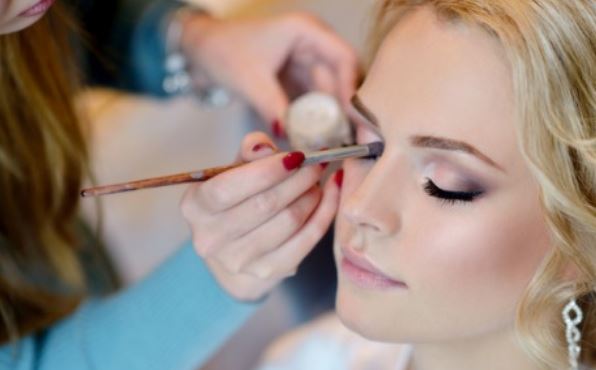
Bridal makeup artists specialize in applying makeup to brides and their bridal parties, ensuring a flawless and customized look that enhances each individual’s natural features while aligning with the wedding theme, attire, and personal preferences. With expertise in makeup products and techniques, color theory, facial features, skin tones, and skincare, these artists create long-lasting and camera-ready makeup designs, providing their clients with a sense of reassurance and confidence.
Duties and Responsibilities
Bridal makeup artists perform a range of tasks to ensure that the bride and her bridal party look their best on the wedding day. These tasks include:
- Consultation – The makeup artist meets with the bride to discuss her preferences, wedding theme, dress style, and any specific makeup ideas. Together, they assess the bride's skin type, tone, and any concerns to tailor the makeup application accordingly.
- Makeup Trial – Many bridal makeup artists offer a trial session before the wedding day to experiment with different makeup looks, finalize the desired style, and make any necessary adjustments based on the bride's feedback.
- Customized Makeup Application – On the wedding day, the artist uses their expertise to create a makeup look that enhances the bride's features while maintaining a natural and flawless appearance. They apply foundation, concealer, eyeshadow, eyeliner, mascara, blush, contour, highlighter, and lipstick to achieve the desired effect.
- Skin Prep – Bridal makeup artists often provide skincare advice and perform necessary skin preparation to ensure the makeup adheres well. This might involve cleansing, moisturizing, and priming the skin.
- Makeup Techniques - They employ various makeup techniques, such as contouring, highlighting, and color correction, to enhance the bride's facial features and create a balanced look both in person and in photographs.
- Longevity and Setting – Bridal makeup artists use high-quality, long-wearing products and setting techniques to ensure the makeup remains fresh and intact throughout the day, even during emotional moments, dancing, and photo sessions.
- Bridal Party Makeup – In addition to the bride, the makeup artist may also apply makeup to members of the bridal party, ensuring a cohesive and coordinated appearance.
- Touch-Ups – Some artists offer on-site touch-up services to ensure the bride's makeup stays flawless throughout the event, making any necessary adjustments to the look.
- Adaptability – Bridal makeup artists are skilled at working under various conditions, such as different lighting and environments, to ensure the makeup looks impeccable in different settings.
- Calm and Support – Beyond the technical aspects, a bridal makeup artist provides emotional support, helping the bride feel relaxed and confident on her big day.
Types of Bridal Makeup Artists
Now that we have a sense of a typical day in the life of a bridal makeup artist, let’s look at some specialists in the field, or different types of bridal makeup artists:
- Classic Bridal Makeup Artist – These artists focus on timeless and elegant makeup looks that enhance the bride's natural features while maintaining a traditional and sophisticated appearance.
- Contemporary Bridal Makeup Artist – Contemporary artists stay up-to-date with the latest makeup trends and techniques, offering modern and fresh looks that might include bold colors, unique textures, and creative detailing.
- Natural and Minimalist Bridal Makeup Artist - These artists specialize in creating soft, subtle, and barely-there makeup looks that enhance the bride's beauty while maintaining a natural and effortless appearance.
- Glamour Bridal Makeup Artist – Glamour makeup artists excel in creating dramatic and glamorous makeup looks, often involving intense eyeshadow, bold lips, and accentuated features for a more high-fashion or red-carpet appearance.
- Bohemian or Boho Bridal Makeup Artist – Bohemian makeup artists focus on creating a laid-back and free-spirited makeup style, often incorporating earthy tones, soft textures, and a slightly undone, boho-chic vibe.
- Vintage Bridal Makeup Artist – Artists specializing in vintage looks recreate makeup styles from specific eras, such as the 1920s, 1950s, or 1960s, to match the bride's vintage-themed wedding or personal style.
- Cultural or Ethnic Bridal Makeup Artist – These artists are well-versed in makeup techniques that cater to specific ethnic or cultural backgrounds, ensuring the makeup complements the bride's heritage and traditions.
- Destination or Beach Bridal Makeup Artist – Artists in this category specialize in makeup that is suitable for destination weddings, tropical climates, or beach settings, where different environmental factors may influence the makeup selection and application.
- Airbrush Bridal Makeup Artist – Airbrush artists use airbrushing techniques to create a flawless and long-lasting makeup application, often preferred for its lightweight and high-definition finish.
- High-Definition (HD) Bridal Makeup Artist – These artists use makeup techniques and products that are designed to look impeccable under high-definition cameras, ensuring that the bride's makeup looks flawless in photographs and videos.
- Bridal Makeup Educator or Trainer – Some makeup artists also offer training and workshops specifically focused on bridal makeup techniques, helping aspiring makeup artists learn the skills required for this specialization.
It is important to note that these categories are not exhaustive, and makeup artists may offer a combination of styles.
Workplace of a Bridal Makeup Artist
Bridal makeup artists can be work for various entities or as independent professionals. Here’s an overview of some of their most common employers:
- Salons and Beauty Studios – Many bridal makeup artists work as part of established salons or beauty studios that offer a range of beauty services, including hair styling, makeup application, and skincare. These businesses may have dedicated bridal services and packages.
- Wedding and Event Planners – Wedding and event planning companies often collaborate with bridal makeup artists to provide comprehensive services to their clients. Makeup artists can be brought in as part of a larger wedding planning package.
- Photographers and Videographers – Professional photographers and videographers may hire bridal makeup artists to ensure that their clients look their best in photos and videos.
- Bridal Boutiques – Some bridal boutiques offer makeup services as part of their bridal packages. They may have in-house makeup artists who provide makeup trials and services to brides shopping for their wedding attire.
- Resorts and Destination Venues – Resorts and destination wedding venues often have onsite beauty and spa services. Bridal makeup artists may be employed by these venues to provide makeup services for brides and their parties.
- Makeup Brands and Companies – Some makeup artists are associated with specific makeup brands and companies. They might work as brand ambassadors, providing makeup services using the brand's products, which can be a form of employment or collaboration.
- Television and Film Production Companies – Bridal makeup artists with experience in high-definition makeup and long-lasting applications may be employed by television and film production companies for bridal-themed or other shows or productions.
- Beauty Agencies – There are agencies that represent and manage makeup artists, including bridal makeup specialists. These agencies may connect makeup artists with clients seeking their services.
- Educational Institutions – Some makeup artists may work as instructors or educators at beauty schools, teaching students about bridal makeup techniques and industry practices.
- Freelance and Independent Artists – A significant number of bridal makeup artists work as freelancers or independent contractors, marketing their services to any of the various entities described above and working on an event or project basis.
- Self-Employment – Bridal makeup artists may choose to establish their own businesses, creating their brand and marketing their services directly to brides and bridal parties. These artists manage their own clients, appointments, and bookings, often traveling to different locations to provide on-site makeup services.
In addition to commercial and home-based makeup studios, workplace settings for the bridal makeup artist often include on-site locations, such as the bride’s home, a hotel suite, the wedding venue, or any other location where the bride and bridal party are getting ready. For outdoor weddings, makeup artists might work under tents or outdoor shelters to allow them to consider factors like natural lighting.
How to become a Bridal Makeup Artist
Becoming a successful bridal makeup artist involves a combination of training, practice, and ongoing learning. Here’s a snapshot of the pathway to the career:
High School Diploma or Equivalent
Most entry-level bridal makeup artist positions require a high school diploma or equivalent. High school education provides a foundation in basic communication and math and organizational skills, and it lays the groundwork for further learning.
Make-up Artistry Education
While there are no formal requirements to become a bridal makeup artist, consider enrolling in a reputable make-up artistry school or program. Look for courses that specifically cover bridal makeup techniques and applications.
Cosmetology or Aesthetics and Skin Care Programs
Enrolling in a cosmetology or aesthetics and skin care program is another training option for aspiring bridal makeup artists. These programs provide you with a comprehensive understanding of skincare, makeup application, and beauty services. They often include learning modules relevant to bridal makeup.
Practice and Skill Development
Attend standalone workshops, seminars, and classes to learn about different makeup styles, techniques, and products. Continuous learning is essential to stay updated with industry trends. Practise applying makeup on different skin tones, face shapes, and features. Focus on perfecting a range of makeup looks suitable for weddings. Experiment with different makeup products, tools, and techniques to develop your skills and understanding of makeup application.
Build a Portfolio
Create a professional portfolio showcasing your best bridal makeup work. This can be an online portfolio or a physical collection of photographs to demonstrate your skills to potential employers or clients. Be sure to include a variety of looks.
Gain Experience
Offer your services for free or at a discounted rate to friends, family, or acquaintances to gain real-world experience and build your client base. Look for formal bridal makeup apprenticeships or opportunities to assist established makeup artists on bridal assignments or events.
Networking
Attend industry events, trade shows, and bridal expos to connect with potential clients, fellow makeup artists, photographers, and other professionals in the wedding industry.
Certifications and Professional Organizations
While there are no universally recognized or mandatory certifications specifically for bridal makeup artists, there are several optional certifications and memberships that can enhance your credibility, showcase your skills, and demonstrate your commitment to the industry. Here are a few you might consider:
- The International Association of Professional Makeup Artists is a membership association created to provide education and business development services for people working as, or studying to become, a professional makeup artist. The minimum requirement to become a Certified Professional Makeup Artist is a combination of experience and education equivalent to three years of full-time employment, while the minimum requirement to become a Master Certified Makeup Artist is the equivalent of five years of full-time employment.
- The Professional Makeup Artists Conference & Expo is an industry expo for those who specialize in the makeup profession. Featuring experts from the beauty, fantasy, body art, special effects, fashion, and bridal industries, PMAC encompasses all facets of the trade.
- Wedding International Professionals Association (WIPA) has developed the Certified Wedding Industry Professional (CWIP) credential, which establishes a baseline of knowledge within the community, bringing up the professionalism of the entire industry. The certification is targeted at all wedding-related vendors, from entertainment to venue, to florists, design and décor, food and beverage, officiant, photo / video, bridal makeup artists, and more.
- Industry-Recognized Makeup Brands may offer certification programs for makeup artists who use their products. While these certifications may not be specific to bridal makeup, they can demonstrate proficiency in using a particular brand’s products. Some brands also provide makeup artists with industry discounts and priority access to new products.
- The Professional Beauty Association (PBA) is a leading trade association representing the beauty industry, including makeup artists. It offers educational resources, industry news and updates, networking opportunities, and access to business support services.
- Associated Skin Care Professionals (ASCP) is geared towards skincare professionals, but offers benefits that can be valuable for makeup artists as well. It provides educational resources, industry news, and networking opportunities.
- The National Association for Holistic Aromatherapy (NAHA) is a valuable resource for bridal makeup artists and other industry professionals who specialize in using natural and holistic products.
- Online Communities and Forums like LinkedIn, Facebook, and beauty-related forums can provide a space for makeup artists to connect, share insights, and learn from one another.
Essential Skills You Need
To establish yourself as a professional and reliable bridal makeup artist, there are several skills one needs to create a unique and flawless look. These skills are mainly creativity and attention to detail necessary for several purposes like knowing how to highlight the bride’s features, choosing the right shades, following the preferred modern trends, etc. Additionally, one should also understand the different skin types along with the right and wrong products to use for every skin type. On top of these skills required for bridal makeup artist, what could add on to your reputation is great communication and client-handling ability which help in building trust for you among the clients.
Bridal Makeup Artist Salary (2025)
1. Average Salary (General)
- Entry-level: ₹15,000 – ₹30,000 per month
- Mid-level (2–5 yrs): ₹30,000 – ₹60,000 per month
- Experienced / Senior: ₹60,000 – ₹1,50,000+ per month
- Income varies widely because many artists work freelance and earn per bridal booking, not monthly.
2. Per Bridal Makeup Charges (India)
- Beginner: ₹5,000 – ₹10,000 per bride
- Intermediate: ₹12,000 – ₹25,000 per bride
- Top-tier / Celebrity Artist:₹30,000 – ₹1,50,000+ per bride
Peak season (Oct–Feb) can significantly increase earnings since artists may get multiple bookings per week.
3. Freelance Bridal MUA Earnings
- Freelance artists typically earn more:
- Average monthly (freelance): ₹50,000 – ₹2,00,000
High-demand cities (Delhi, Mumbai, Bangalore): ₹1,00,000 – ₹3,00,000+ per month
Income depends on:
- Number of bookings
- Travel makeup jobs (higher pay)
- Hairstyling add-ons
- Party makeup bookings
4. Salary in Makeup Studios / Salons
- Junior Makeup Artist: ₹12,000 – ₹20,000 per month
- Senior Makeup Artist: ₹25,000 – ₹40,000 per month
- Elite salons (MAC, Sephora, Lakmé):₹30,000 – ₹60,000 per month








User's Comments
No comments there.