


Stories you may like
How to Harvest Rainwater?
The major components which are essential for rainwater harvesting systems include the following:
- Catchment: The catchment is used for the collection and also for storage of the captured form of rainwater.
- Conveyance system: The transportation of the harvested water from the catchment to the recharge zone is done by this system of conveyance.
- Flush: The first spell of rain is flushed out from it.
- Filter: The filter portion of the system is used for the collection of rainwater and the removal of pollutants.
- Tanks and Recharge Structure: This is used for the storage of filtered water which is ready to use.
The process of rainwater harvesting is the collection and also storage of the rainwater, which runs off naturally or from man-made catchment areas like rooftops, compounds, rock surfaces, and so forth.
Several factors play important role in the water harvested. Some of the important factors are as follows:
- Amount of runoff
- Features of catchments and catchment areas.
- Impact on the environment
- Technology available
- Capacity of the storage tanks
- Types of roof, slope and materials
- Amount of rainwater collected.
- Speed of rainwater penetration to recharge groundwater.
Why do we Harvest Rainwater?
We harvest rainwater for following purposes:
Water Crisis
The problems of the water crisis, which has been increasing over the years in different parts of the world and India, can be tactfully tackled by rainwater harvesting. This is particularly useful in hilly areas, where it can be used for domestic uses, and also in remote areas, where surface pollution is less comparatively and hence rainwater harvesting is ideal.
Agriculture
Rainwater distribution is not equally distributed over space and time, and many of the crops are more water-demanding. Hence, the unavailability of water of equal quality and quantity would cause drastic problems. Hence, rainwater harvesting could help in this process of unequal water distribution.
Bad Monsoon
Bad monsoon or less monsoon can lead to low crop yield and a shortage of food. Even flora and fauna also suffer from the same. Farmers are most affected by bad monsoons and hence rainwater harvesting is the ideal solution for them.
Alternative for water supply in Dry areas
It can work as a good alternative source of water for the backup of the main supply of water in areas prone to dry spells and it can be used by the community. It can help in irrigation and also work as a cost-effective method.
Stored for Future Use
Stored rainwater is used for revitalizing groundwater level and also for improving its quality. Hence, it helps in checking surface runoff and also reduces incidents of soil erosion.
Advantages of Rainwater Harvesting

The advantages of rainwater harvesting are as follows:
- Rainwater harvesting is one of the most cost-effective, and very easy to maintain systems. The cost of the foundation of rainwater harvesting structures is quite less than other pumping structures.
- Rainwater Harvesting is an environment-friendly method and minimizes the impact of floods by rushing water to larger tanks for recycling and helps in the reduction of the pressure on drainage.
- It prevents soil erosion and also reduces the flow of storm water in order to prevent urban flooding around the buildings.
- Rainwater collection helps to mitigate droughts and since they are mostly free of harmful chemicals and substances, it is suitable for irrigation.
- Groundwater levels are increased and improved quality wise.
Disadvantages of Rain water Harvesting
With advantages, come some disadvantages of rainwater harvesting. Some of them are mentioned below:
- It requires regular maintenance. Otherwise, the purity of the water can be missed out.
- Technical skills are required for the installation and working of the mechanism; otherwise, it becomes a little tiresome.
- With irregular rainfall in India, it can limit the supply of rainwater.
- If the installation is not done in the correct format, it can lead to the breeding of mosquitoes and may increase waterborne diseases.
- There is a certain limit for storage of the water, if it exceeds the limit, it can lead to an overflow of water; ultimately affecting the infrastructure around
Methods of Rain water Harvesting
The two most commonly used methods of rainwater harvesting are:
Surface Runoff Harvesting
This is one of the most suitable forms of rainwater harvesting in urban spaces. This can be stored and used in the future. The water gets stored into storage tanks which are present below the ground.Insufficient availability of water can lead to problems in both domestic and sanitation areas leading to environmental pollution. This could be prevented by storing surface water and also directing its flow towards small creeks and, into reservoirs.
Rooftop Rainwater Harvesting
Rooftop rainwater harvesting is a technique for catching rainwater where it falls, capturing it from the roof catchments of residential or commercial buildings, and storing it in tanks. To satisfy the demands of the household or business, harvested rainwater can either be transferred to an artificial recharge system or kept in tanks. Making water available for future use, enhancing the quality of ground water, and other goals are the primary goals of rooftop rainwater harvesting.
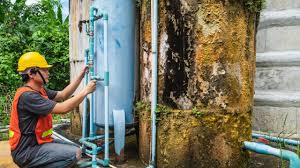
RAIN WATER HARVESTING TECHNICIAN
- System design: They create custom rainwater harvesting systems based on factors like catchment area, rainfall patterns, and water demand.
- Installation: This involves physically installing components such as pipes, filters, storage tanks, and recharge structures.
- Maintenance: Technicians are responsible for the ongoing upkeep of these systems, which includes ensuring components are working correctly and performing regular checks.
- Quality control: They ensure that collected water is clean by checking and maintaining the filtration and storage systems, which may involve disinfection.
- Technical support: They provide technical support and end-to-end solutions, including after-sales service for clients.
- Environmental consultancy firms
- Government agencies
- Construction and architecture firms
- Water management companies
- Real estate and property development companies
HOW TO BECOME A RAIN‑WATER‑HARVESTING TECHNICIAN
1. Finish high school – focus on math, physics, and basic tech classes.
2. Study a related field – civil or environmental engineering, plumbing, or sustainable‑building programs (associate’s or diploma).
3. Get hands‑on training – internships, apprenticeships, or short‑term courses on rain‑water systems, plumbing codes, and site installation.
4. Earn a certification – look for credentials from recognized bodies (e.g., NCCER, local water authority, or green‑building certifiers).
5. Develop key skills – pipe fitting, hydraulic design, reading blueprints, basic electricity, and knowledge of local rainfall data & regulations.
6. Start job hunting – municipal water departments, green‑construction firms, NGOs, or private rain‑water‑system installers.











User's Comments
No comments there.