


Stories you may like
Tree Service Technician
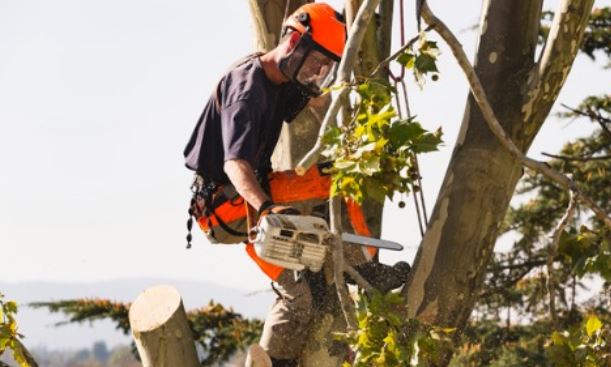
A tree service technician takes care of trees to keep them healthy, safe, and looking their best. They often trim or remove trees, inspect them for disease or damage, and use specialized equipment to climb tall trees or reach high branches. Their job helps prevent accidents caused by falling limbs and supports the overall health of the trees and surrounding landscape.
These technicians often work for landscaping companies, utility companies, or specialized tree service businesses. They spend most of their time outdoors, sometimes in challenging weather, and must follow strict safety procedures. Whether working in residential neighborhoods, city parks, or along power lines, tree service technicians play an important role in maintaining safe and beautiful environments.
Duties and Responsibilities
Tree service technicians perform a variety of tasks to ensure trees are properly maintained, healthy, and safe. Their responsibilities often include:
- Tree Pruning and Trimming: Cutting back branches to improve tree shape, remove dead or hazardous limbs, and promote healthy growth.
- Tree Removal: Safely cutting down and removing trees that are dead, diseased, or pose a safety risk to property or people.
- Stump Grinding and Removal: Using specialized equipment to remove tree stumps left behind after a tree has been cut down.
- Tree Health Assessment: Inspecting trees for signs of disease, pest infestations, or structural damage, and recommending appropriate treatments.
- Emergency Storm Work: Responding quickly after storms to remove fallen trees or limbs and clear debris to restore safety.
- Climbing and Aerial Work: Using climbing gear or bucket trucks to reach high branches or trees in tight spaces where heavy equipment can't go.
- Equipment Maintenance: Operating and maintaining tools such as chainsaws, chippers, climbing harnesses, and aerial lifts to ensure safe and efficient work.
- Customer Communication: Explaining work plans to clients, offering advice on tree care, and providing estimates for services.
Workplace of a Tree Service Technician
The workplace of a tree service technician is primarily outdoors and varies depending on the job. They often work in residential neighborhoods, public parks, commercial properties, and along streets or highways. Since the work involves trees of all sizes and types, technicians must be comfortable working at different heights and in a range of weather conditions. Climbing tall trees, using aerial lifts, or operating chainsaws and chippers are all common parts of the job.
Safety is a big part of the tree service technician’s workplace. These professionals wear protective gear like helmets, gloves, goggles, and harnesses to reduce the risk of injury. They must also follow strict safety protocols when working near power lines, on uneven terrain, or with heavy equipment. Whether climbing a tree or feeding branches into a chipper, clear communication and teamwork are essential to keeping everyone safe on the job site.
The work environment can be physically demanding but also rewarding. Technicians often start early in the day and work in teams to complete each project efficiently. The job offers variety, as no two trees or locations are the same, and it appeals to those who enjoy being active and working with nature.
How to become a Tree Service Technician
Becoming a tree service technician requires physical ability, safety awareness, and hands-on training. Here are steps you can follow to pursue a career in tree care:
- Self-Assessment: Make sure you're comfortable working outdoors in all weather conditions, handling heavy equipment, and working at heights. Good physical fitness, coordination, and a head for safety are essential in this field.
- Get a High School Diploma or Equivalent: Most employers require at least a high school education. Courses in biology, environmental science, or shop class can be helpful for understanding plant life and using tools.
- Start with On-the-Job Training: Entry-level positions, such as ground crew member or assistant, allow you to learn tree trimming, equipment use, and safety procedures while gaining experience alongside seasoned technicians.
- Pursue Certification: While not always required, certifications like the ISA Certified Tree Worker or credentials from the Tree Care Industry Association (TCIA) can improve job prospects and demonstrate professionalism.
- Learn Safety and Equipment Use: Familiarize yourself with chainsaws, climbing harnesses, and rigging systems. Employers often provide safety training, and some may require CPR or first aid certification.
- Gain Experience and Advance: With time and experience, you can take on more complex roles such as tree climber, crew leader, or even become a certified arborist, opening up further career opportunities.
Skills Needed for a Tree Service Technician
1. Technical & Practical Skills
- Tree trimming, pruning, and removal techniques
- Operating chainsaws, stump grinders, chippers
- Tree climbing using ropes, harnesses, and safety gear
- Aerial lift operation
- Knowledge of tree species, diseases, and pests
- Safe cutting and rigging procedures
2. Physical Skills
- Good physical strength and stamina
- Ability to work at heights
- Coordination and balance
- Ability to lift heavy equipment
3. Safety Skills
- Understanding of OSHA or local safety regulations
- Use of PPE (helmets, eye protection, gloves, etc.)
- Awareness of hazards (power lines, dead branches, machinery)
4. Soft Skills
- Teamwork and communication
- Problem-solving
- Situational awareness
- Time management
- Customer service skills
Qualifications
- High school diploma or equivalent
- On-the-job training or apprenticeship
- Optional certifications:
ISA Certified Tree Worker
Certified Arborist** (advanced)
Chainsaw operator certification
- Experience with landscaping or outdoor labor is helpful
Salary of a Tree Service Technician
Salary varies by country, experience, and the type of tree work involved.
United States
- Entry-level: $30,000 – $40,000 per year
- Experienced: $45,000 – $65,000 per year
- Highly skilled or certified: $70,000+
India
- Entry-level: ₹2.0 – ₹3.5 LPA
- Experienced: ₹3.5 – ₹5.5 LPA
- Senior/Certified Arborist: ₹6 – ₹8 LPA or more
Hourly Rates (common worldwide):
- ₹500 – ₹1,200 per hour (India)
- $15 – $30 per hour (US)
Career Outlook
- Demand is steady and increasing due to urban development and tree maintenance needs.
- Growth in landscaping, city infrastructure, and environmental conservation creates more opportunities.
- Technicians can advance to Crew Leader, Climbing Arborist, Tree Inspector, or Certified Arborist roles.






User's Comments
No comments there.