

Stories you may like
MRI technologists are highly skilled medical professionals integral to providing top-tier healthcare to patients. Through their hard work and dedication, MRI technologists help ensure that patients receive the most effective and safe treatments possible. If you're interested in a healthcare career but don't want to commit to the time and cost of medical school necessary to become a doctor, working as an MRI technologist could be an ideal career for you.
We recently had the chance to interview Ryan Draeger, BSRT (R)(CT)(MR) ARRT MRSO (MRSC) MRSE (MRSC), an MRI clinical applications specialist for Canon Medical USA. Ryan is credentialed as an MRI safety officer and MRI safety expert through the American Board of Magnetic Resonance Safety and is responsible for training and educating staff in MRI and MRI safety. He was happy to share his experience and expertise to help others decide whether a career as an MRI technologist is right for them.
What is an MRI Technologist?
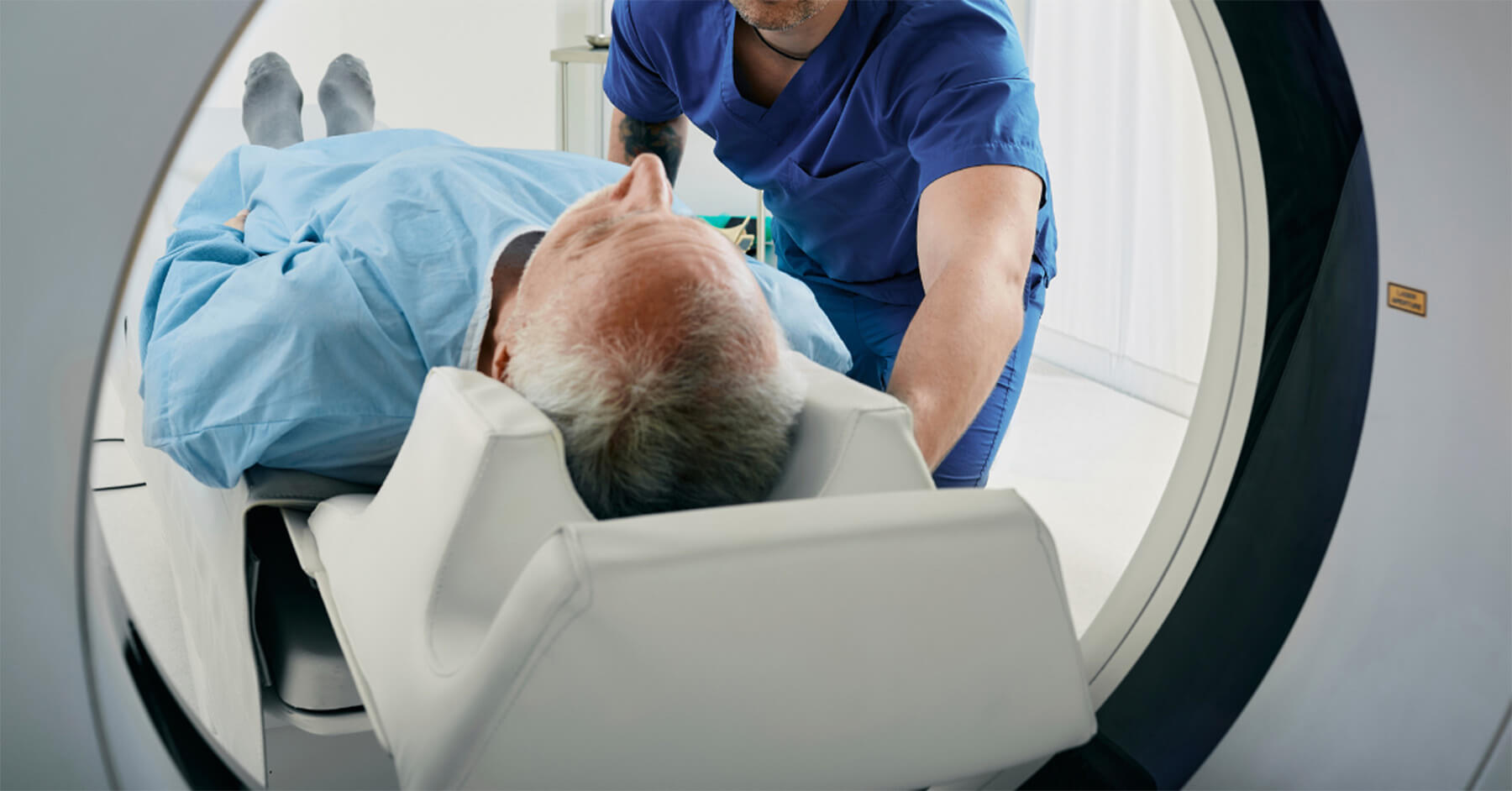
An MRI technologist (or MRI tech) is a medical professional who operates a Magnetic Resonance Imaging (MRI) scanner. This doctor-ordered diagnostic technique uses radio waves and magnets to create detailed images of the body. MRI technologists are trained in the operation of MRI scans, and they monitor patient safety and comfort throughout the imaging procedure.
MRI technologists are part of the broader medical team, along with radiologists, nurses and more, that work together to use this complicated technology to diagnose potential health issues and improve outcomes. They also provide support to patients during the imaging process and enter patient information into the MRI machine's computer system. In some cases, technologists use specialized skills such as contrast injections for extra-detailed results. The level of knowledge and care that MRI technologists provide is essential for making sure that every step in an MRI scan is as accurate as possible.
Duties and impact
MRI technologists are critical to diagnosing internal conditions, such as brain tumors, infections, and anomalous brain activity like that resulting from strokes, Alzheimer’s, and dementia. Some of the most common duties MRI techs perform include:
-
Maintaining imaging equipment
-
Preparing patients for MRI scans
-
Working with physicians to identify where you should scan patients
-
Operating imaging equipment during scans
-
Maintaining relevant patient records
- Patient Care: Explain procedures, ensure patient comfort, screen for metal/safety, and position them correctly.
- Equipment Operation: Set up and run the MRI scanner, adjusting parameters for specific body parts (brain, spine, joints, etc.).
- Image Quality: Ensure clear, diagnostic-quality images are produced.
- Record Keeping: Maintain patient records and handle imaging data.
- Collaboration: Work with radiologists and physicians to guide scans and interpret images.
How to become an MRI Technologist
Becoming an MRI technologist is a great way to use your skills while helping others. This profession offers the chance to work in an interesting, fast-paced environment, ensuring patients receive safe and accurate imaging procedures. It’s rewarding work that helps countless people manage their health conditions and ensures doctors have critical images needed for diagnosis.
There is no single path to becoming an MRI technologist – plenty of people start in a different modality and cross-train to make the switch. For example, Ryan “was doing X-ray and CT and had the chance to take over a new install for a brand-new magnet being put in our hospital.” He’d had the chance to dabble in MRI during his clinical rotations but made the switch after focusing on “X-ray and CT for quite a while.”
Ryan started out his imaging career with a certificate program in radiology. He gained his hands-on experience in MRI while wrapping up a bachelor’s degree in medical imaging. Ryan’s story is an excellent example of how there are many paths one can take to becoming an MRI technologist – you don’t have to start in MRI right out of the gate. For those interested in a more direct route, the following educational and training steps can get you there:
Associate Degree
While an associate degree in radiology or a related field is not necessarily a prerequisite to becoming an MRI technologist, many MRI programs require participants to have an associate degree in a related field, such as biology, anatomy, or radiology. Participating in an educational program that is ARRT®-approved can be an excellent way to gain the background knowledge you’ll need for certification down the road.
JRCERT/ARMRIT Programs
The Joint Review Committee on Education in Radiologic Technology (JRCERT) is a healthcare accreditation organization that provides comprehensive quality assurance and educational standards to qualifying radiologic technologist programs across the United States. JRCERT-approved programs provide an opportunity for students to gain vital knowledge and skills in the radiology field. A significant advantage of attending a JRCERT program is the ability to take certification exams recognized by the American Registry of Radiologic Technologists (ARRT®), allowing you to practice in any state while meeting national competency standards.
ARMRIT (American Registry of Magnetic Resonance Imaging Technologists) is a credentialing organization that offers an alternative option for those interested in a career in MRI technology without undergoing a radiology or radiography educational or certification program. ARMRIT provides an internationally recognized certification to those educational programs that have met its established standards of competency and expertise in results, safety, and quality metrics.
Clinical Experience
Gaining clinical experience is an important step toward MRI technologist certification, no matter what educational path you take. You should make sure to plan ahead so that the hours you accrue are sufficient and relevant to the job description. You may even have the opportunity to work with experienced professionals in the field, who can provide guidance and insights into what it takes to become a successful MRI technologist. Clinical experience offers you a great chance to develop your skills; taking advantage of this opportunity will help guarantee that you meet the requirements for certification and put yourself in the best position to find your dream job.








User's Comments
No comments there.