


Stories you may like
Viticulturist
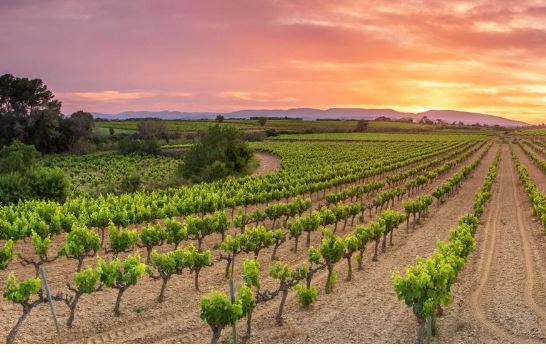
A viticulturist focuses on the science and practice of growing grapes, especially those used in wine production. These experts understand how grapevines grow and how different climates, soils, and environments affect the quality of the grapes. They often work closely with winemakers, since the grapes they help produce are the foundation of wine.
Duties and Responsibilities
Viticulturists have a wide range of duties that focus on growing high-quality grapes, especially for winemaking. Their work involves both hands-on tasks in the vineyard and strategic planning to support healthy vine development. Here are some of their main responsibilities:
- Monitoring Vine Health: Viticulturists regularly inspect grapevines for signs of disease, pests, or stress. They use their knowledge to identify problems early and keep the vines healthy throughout the growing season.
- Soil and Irrigation Management: They assess soil quality and make decisions about fertilizers, compost, and watering methods. Proper soil and water management help the vines grow strong and produce better fruit.
- Pruning and Training Vines: Viticulturists carefully prune vines and guide their growth to maximize sunlight exposure and air circulation. This helps improve grape quality and reduces the risk of disease.
- Managing Pests and Diseases: They develop strategies to protect vines from insects, fungi, and other threats. This may involve using organic or chemical treatments, depending on the vineyard’s practices.
- Monitoring Weather and Climate Conditions: Since grapevines are sensitive to climate, viticulturists keep a close eye on weather patterns. This helps them prepare for issues like frost, drought, or heatwaves.
- Harvest Planning: They determine the best time to harvest grapes based on ripeness, sugar levels, and acidity. Timing is crucial for producing high-quality wine grapes.
- Collaborating with Winemakers: Viticulturists often work closely with winemakers to grow grapes that match the style and flavor profile of the wine being produced.
Workplace of a Viticulturist
Viticulturists can work for a variety of organizations involved in grape growing and wine production. These are among their most common employers:
- Wineries and Vineyards – managing grape cultivation directly to ensure high-quality fruit for winemaking
- Grape Growing Farms – large-scale farms specializing in table grapes, raisins, or juice grapes
- Agricultural Research Institutions and Universities – conducting research and teaching about grapevine science and vineyard management
- Government Agricultural Departments and Extension Services – providing support, regulation, and education for local grape growers
- Consulting Firms – offering expert viticulture advice to vineyards and wineries
- Agricultural Supply Companies – developing and promoting products like fertilizers, pesticides, or irrigation systems tailored for grape growing
A viticulturist usually works outdoors in vineyards, where they spend a lot of time checking on grapevines and helping them grow well throughout the year. The job often includes hands-on tasks like walking through the vines, pruning, checking the soil, and sometimes using equipment. They may also work indoors in an office or lab, where they study data, track growing conditions, or plan how to set up and manage the vineyard.
The work environment changes with the seasons, so viticulturists need to be comfortable working in all kinds of weather—hot summers, rainy days, or cooler seasons. Things can get especially busy during harvest time when timing is everything. Their job combines physical outdoor work with careful observation, science, and planning—and sometimes involves moving between several vineyard locations.
How to become a Viticulturist
Here’s an overview of the pathway to a successful career in viticulture:
Earn a Bachelor’s Degree
Start with a Bachelor’s Degree in Viticulture, Horticulture, Agriculture, Plant Sciences, or a related discipline. Some universities offer specialized programs in viticulture and enology (the study of winemaking).
Important subjects include plant biology, soil science, pest management, plant pathology, irrigation, and agricultural chemistry.
Gain Practical Experience
Work or intern at vineyards, wineries, or agricultural research centers to get hands-on experience with grape growing, pruning, pest control, and harvest processes.
Build Industry Connections
Network with professionals in the wine and grape growing industry by joining viticulture or agricultural associations and attending conferences or workshops.
Pursue Advanced Education (Optional)
To specialize further or move into consulting, research, or academic roles, a relevant master’s or doctoral degree can be beneficial.
Continuing Education
Ongoing learning is important due to evolving technologies, climate challenges, and industry trends.
Skills Needed for a Viticulturist
1. Technical & Agricultural Skills
- Knowledge of grapevine biology and physiology
- Soil analysis and soil management
- Pruning, training, and canopy management
- Irrigation and water management
- Pest, disease, and weed control
- Harvest planning and yield estimation
2. Environmental & Scientific Skills
- Understanding of climate and weather patterns
- Sustainable and organic viticulture practices
- Data collection and vineyard monitoring
- Research and experimentation skills
3. Practical & Mechanical Skills
- Operation of vineyard machinery and tools
- Basic equipment maintenance
- Field inspection and crop assessment skills
4. Management & Business Skills
- Vineyard planning and site selection
- Labor management and supervision
- Budgeting and cost control
- Quality assurance and production standards
5. Soft Skills
- Attention to detail
- Problem-solving and decision-making
- Physical stamina and endurance
- Communication and teamwork
- Time management
6. Digital & Technology Skills
- Use of vineyard management software
- Precision agriculture tools and sensors
- Basic data analysis and reporting
Viticulturist Salary
Entry-Level (0–2 years)
- India: ₹3 – ₹5 LPA
- Global:** USD 35,000 – 45,000 per year
Mid-Level (3–7 years)
- India: ₹6 – ₹10 LPA
- Global: USD 50,000 – 75,000 per year
Senior / Head Viticulturist (8+ years)
- India: ₹12 – ₹20+ LPA
- Global: USD 80,000 – 120,000+ per year
Factors Affecting Salary
- Size and reputation of the vineyard or winery
- Location and climate region
- Level of education and specialization
- Experience with sustainable or organic viticulture
- Management and leadership responsibilities








User's Comments
No comments there.