


Stories you may like
Critical Care nurse
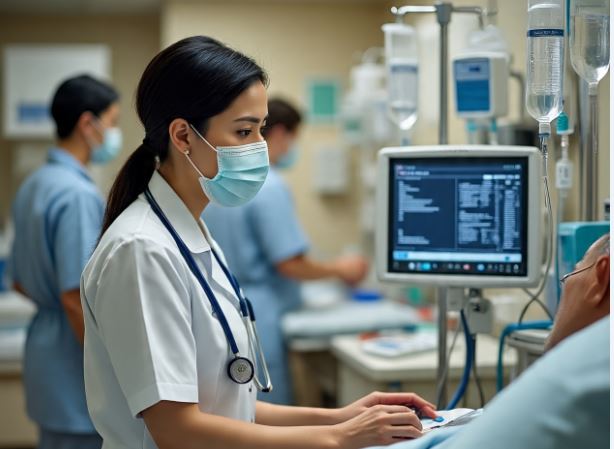
A critical care nurse is a registered nurse who has received specialized training in the care of patients with life-threatening medical conditions. These nurses work in intensive care units (ICUs) and other critical care settings, where they provide care for patients who require constant monitoring and intervention. They are responsible for assessing patient needs, administering medications and treatments, monitoring vital signs, and providing emotional support to patients and their families.
Critical care nurses may work with a variety of patients, including those who have suffered from traumatic injuries, heart attacks, strokes, or other serious medical conditions. They work closely with other healthcare professionals, including doctors, respiratory therapists, and pharmacists, to provide the best possible care for their patients. In addition to providing direct patient care, critical care nurses also educate patients and their families about their conditions and help them to make informed decisions about their healthcare.
The expertise and attention to detail that critical care nurses have are essential in helping patients recover and return to a healthy state. Without critical care nurses, the quality of care for critically ill patients would suffer, and their chances of survival would decrease significantly.
Duties and Responsibilities
The duties and responsibilities of critical care nurses may include:
- Patient assessment: Critical care nurses are responsible for assessing patients' conditions to identify any changes or deterioration in their condition. This includes monitoring vital signs such as blood pressure, heart rate, and respiratory rate. They must also evaluate laboratory and diagnostic test results to determine appropriate interventions.
- Medication administration: Critical care nurses are responsible for administering medications, including intravenous medications, and monitoring the patient's response to the treatment. They must also be knowledgeable about medication interactions and side effects to ensure patient safety.
- Ventilator management: Critical care nurses are responsible for managing patients who require mechanical ventilation. This includes assessing the patient's response to the ventilator, monitoring the ventilator settings, and making adjustments as needed.
- Communication with the healthcare team: Critical care nurses must communicate effectively with physicians, respiratory therapists, and other healthcare professionals to ensure that patients receive optimal care. This includes providing updates on the patient's condition and collaborating to develop a comprehensive treatment plan.
- Patient education: Critical care nurses must provide patient education, including explaining treatments and procedures, and helping patients and their families understand the patient's condition. This includes teaching patients and families about their medications, equipment, and other aspects of their care.
- Documentation: Critical care nurses must keep accurate records of patient care, including vital signs, medications, and treatments provided. This documentation is critical for ensuring that patients receive appropriate care and for communicating with other healthcare professionals.
- Support for families: Critical care nurses may provide emotional support to patients' families, including explaining the patient's condition and answering questions. They may also help families navigate the healthcare system and connect them with resources and support services.
- Infection prevention and control: Critical care nurses are responsible for implementing infection control measures to prevent the spread of infections in the critical care unit. This includes ensuring that patients and staff follow appropriate hand hygiene protocols, wearing personal protective equipment when necessary, and implementing isolation precautions as needed.
- Crisis management: Critical care nurses must be able to respond quickly to medical emergencies, including performing cardiopulmonary resuscitation (CPR) and other life-saving interventions. They must also be able to identify and respond to signs of patient distress and rapidly escalate care as needed.
- Collaborative care: Critical care nurses work closely with other healthcare professionals to provide coordinated care to patients. This includes developing and implementing treatment plans, coordinating care transitions, and communicating with other members of the healthcare team. They may also participate in multidisciplinary rounds to review patient progress and make care decisions.
Workplace of a Critical Care nurse
The workplace of a critical care nurse can be demanding and fast-paced, as they are responsible for the care of critically ill patients in hospitals, intensive care units (ICUs), and other medical settings. Critical care nurses work alongside other healthcare professionals such as doctors, respiratory therapists, and pharmacists to ensure that patients receive the best possible care.
One of the key responsibilities of a critical care nurse is to closely monitor their patients' vital signs, such as heart rate, blood pressure, and oxygen saturation levels. They also administer medications, monitor intravenous lines and other medical equipment, and communicate with patients and their families about the patient's condition and treatment plan.
In addition to providing direct patient care, critical care nurses also collaborate with other members of the healthcare team to develop and implement treatment plans, participate in patient rounds and conferences, and ensure that medical orders and procedures are followed correctly.
Due to the unpredictable and often life-threatening nature of critical care nursing, nurses in this field must be able to think quickly on their feet, stay calm under pressure, and communicate effectively with both patients and other healthcare professionals. They may work long and irregular hours, and often have to adapt to changing patient needs and situations.
How to become a Critical Care nurse
Becoming a critical care nurse requires specific education and training. Here are the steps you can take to become a critical care nurse:
- Complete a nursing program: To become a registered nurse, you must first complete a nursing program. There are two main options: an Associate Degree in Nursing (ADN) or a Bachelor of Science in Nursing (BSN). An ADN typically takes two to three years to complete, while a BSN takes four years. Many employers require or strongly prefer BSN-prepared nurses for critical care positions due to the complex nature of the work and the need for advanced knowledge and critical thinking skills.
- Obtain a nursing license: After completing your nursing program, you will need to pass the National Council Licensure Examination (NCLEX) to become a licensed registered nurse (RN). The NCLEX-RN exam is a computerized test that measures your nursing knowledge and skills.
- Gain nursing experience: Critical care nursing requires experience in an acute care setting, such as an intensive care unit (ICU) or emergency department (ED). Most employers require at least one to two years of nursing experience before hiring a critical care nurse.
- Pursue specialized education: To specialize in critical care nursing, you can pursue certification or additional education. The AACN offers a certification program for critical care nurses, called the CCRN (Critical Care Registered Nurse). To be eligible for the CCRN, you must have at least 1,750 hours of direct bedside care in a critical care setting within the last two years, or 875 hours within the last year.
- Apply for critical care nurse positions: Once you have the necessary education and experience, you can start applying for critical care nurse positions. Look for job openings in hospitals, clinics, and other healthcare settings. Many critical care nurse positions require additional certifications, such as ACLS (Advanced Cardiac Life Support) or PALS (Pediatric Advanced Life Support).
- Keep up with continuing education: As a critical care nurse, it is important to stay up-to-date with the latest medical advances and technologies. Participate in continuing education programs, attend conferences, and read medical journals to stay informed. The AACN offers ongoing education opportunities for critical care nurses, including webinars, online courses, and conferences.
Necessary Skills for Critical Care Nursing
Critical care nursing requires a multifaceted skill set beyond merely administering medication or monitoring vital signs. Here are the essential skills necessary for a critical care nurse:
- Technical Proficiency: Critical care nurses must demonstrate a high level of technical proficiency in operating a wide array of medical equipment essential for patient care. It includes but is not limited to ventilators, cardiac monitors, infusion pumps, and various life support systems. Mastery of these tools enables nurses to provide precise and timely interventions, ensuring the stability and comfort of critically ill patients.
- Interpersonal Communication: Effective communication lies at the core of critical care nursing. Beyond conveying medical information, nurses must establish rapport with patients and their families, offering support, reassurance, and clear explanations amidst the stress and uncertainty of critical illness. Additionally, strong communication skills facilitate seamless collaboration with multidisciplinary healthcare teams, enhancing the overall quality of patient care.
- Critical Thinking and Problem-Solving: Critical care nurses must possess keen analytical skills to assess complex patient situations swiftly, anticipate potential complications, and formulate evidence-based care plans. Nurses can adjust interventions promptly by continuously evaluating patient responses to treatment and diagnostic findings, optimising outcomes and mitigating risks in fast-paced critical care environments.
- Diagnostic Proficiency: Critical care nurses must have a solid understanding of diagnostic procedures and the ability to interpret results accurately. From ordering pertinent tests to monitoring their outcomes, nurses play a pivotal role in diagnosing and managing acute and chronic conditions, guiding therapeutic interventions, and collaborating with other healthcare professionals to optimise patient outcomes.
- Collaborative Approach: Critical care nursing thrives on collaboration and teamwork. Nurses must actively engage with physicians, specialists, pharmacists, therapists, and support staff to coordinate holistic care plans tailored to individual patient needs. By fostering open communication and mutual respect within interdisciplinary teams, nurses ensure the seamless delivery of comprehensive, patient-centred care across the continuum of critical illness.
- Adaptability and Resilience: Flexibility in response to dynamic patient needs and clinical challenges is a hallmark of critical care nursing. Nurses must remain agile and composed in rapidly changing environments, demonstrating resilience in uncertainty and adversity. This adaptability allows nurses to pivot seamlessly between tasks, adjust care plans in real time, and advocate effectively for their patients' evolving needs.
- Continuous Monitoring and Vigilance: Critical care nursing requires recognising subtle changes in patient status and intervening promptly. Nurses maintain constant vigil, meticulously monitoring vital signs, assessing for signs of deterioration or improvement, and responding decisively to emergent situations. Through proactive surveillance and pre-emptive interventions, nurses safeguard patient safety and optimise clinical outcomes.
- Equipment Management and Maintenance: Critical care nurses are entrusted with the safe and efficient operation of sophisticated medical equipment critical to patient care. From routine maintenance to troubleshooting technical issues, nurses ensure the reliable function of ventilators, monitors, infusion devices, and other essential tools. Their proficiency in equipment management downtime reduces risks and upholds the highest patient safety standards.
- Leadership and Supervisory Skills: In addition to delivering direct patient care, critical care nurses often assume leadership roles, overseeing care teams and unit operations. Through effective delegation, mentorship, and role modelling, nurses inspire excellence in their colleagues, foster a culture of continuous learning, and promote interdisciplinary collaboration. Their leadership ensures seamless care coordination and optimal resource utilisation in complex critical care settings.
- Organisation and Prioritisation: Critical care nurses must be able to organise and prioritise tasks amidst competing demands. By systematically assessing patient needs, allocating resources judiciously, and managing time effectively, nurses optimise workflow efficiency and maintain the highest standards of patient care. Their prioritisation ensures that critical interventions are delivered promptly, contributing to positive patient outcomes and satisfaction.
Salary
The salary of a Critical Care Nurse in India varies based on experience, location, and employer. Here's a breakdown of the average salary ranges:
Average Salary:
₹16,61,200 per year (average annual salary)
₹1,38,433 per month (average monthly salary)
₹799 per hour (average hourly rate)
Salary Range:
Entry-level (0-2 years of experience): ₹1,83,600 - ₹2,49,600 per year
Intermediate (2-5 years of experience): ₹2,49,600 - ₹3,57,700 per year
Senior (5-10 years of experience): ₹3,57,700 - ₹4,33,800 per year
Specialist (10+ years of experience): ₹4,60,500 - ₹5,33,100 per year
Location-based Salary:
Delhi: ₹3,90,000 per year (average annual salary), with a range of ₹2,07,700 to ₹5,96,100 per year
Other cities like Mumbai, Bangalore, and Chennai have similar salary ranges
Highest and Lowest Salary:
Highest salary: ₹59,921 per month (₹7,19,052 per year)
Lowest salary: ₹23,089 per year (₹1,924 per month)
Salary Potential:
The estimated salary potential for Critical Care Nurses in India is expected to increase by 11-13% over the next 5 years







User's Comments
No comments there.