


Stories you may like
Animal Trainer
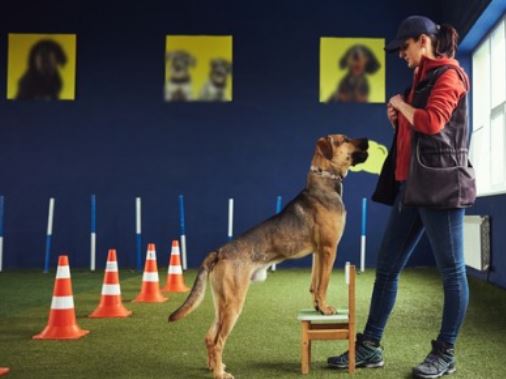
An animal trainer teaches animals to perform specific behaviors or respond to commands. This could include basic obedience for pets, advanced tricks for entertainment, or specialized skills for service or law enforcement work. Animal trainers use patience, consistency, and positive reinforcement—like treats or praise—to encourage animals to learn and repeat desired actions.
Animal trainers work with many types of animals, such as dogs, horses, dolphins, birds, or even wild species in zoos or aquariums. Their goals can vary widely depending on the setting—for example, helping a dog become well-behaved in a home, preparing a horse for riding, or training a sea lion for a show. They often build strong bonds with the animals they work with and must understand animal behavior, body language, and learning styles to train safely and effectively.
Duties and Responsibilities
Animal trainers have a variety of responsibilities that focus on teaching, caring for, and monitoring animals to ensure they perform tasks safely and reliably. Their work involves both direct interaction with animals and behind-the-scenes planning and observation.
- Teaching Behaviors: Trainers use repetition, verbal cues, hand signals, and positive reinforcement—such as treats, praise, or toys—to teach animals how to perform tasks. This could range from basic obedience to complex routines for entertainment, therapy, or service work.
- Developing Training Plans: They design individualized training programs based on the animal’s species, temperament, past behavior, and learning pace. Plans often include timelines, milestones, and methods tailored to help the animal succeed.
- Observing Animal Behavior: Trainers carefully monitor each animal’s reactions, energy levels, and stress signals during and after sessions. These observations help them detect problems early and refine their training approach as needed.
- Building Trust: Trainers spend time forming positive relationships with animals through calm interactions, gentle handling, and consistent routines. Trust is essential, especially when working with nervous or previously mistreated animals.
- Ensuring Animal Welfare: They take responsibility for the animal’s overall well-being by ensuring proper nutrition, mental stimulation, safe living conditions, and ethical, force-free training methods that avoid punishment.
- Working with People: Animal trainers often coach pet owners, handlers, zookeepers, or staff to apply consistent training techniques. They may lead classes, write care instructions, or demonstrate exercises to maintain good behavior long-term.
Workplace of an Animal Trainer
The workplace of an animal trainer can vary a lot depending on the type of animals they work with and the goals of the training. Many trainers work outdoors in fields, arenas, or open spaces where animals have room to move freely. Others might work in indoor settings like training centers, aquariums, shelters, zoos, or even in private homes. For example, a dog trainer might visit clients at home, while a marine mammal trainer works near large water tanks at an aquarium.
Animal trainers often have hands-on, active jobs that require physical movement, quick reflexes, and careful observation. The environment can be noisy, messy, or unpredictable—especially when working with young or high-energy animals. Trainers might spend time lifting equipment, cleaning enclosures, preparing food or rewards, and guiding animals through repeated exercises. They also need to stay calm and patient when animals don’t respond as expected.
In addition to time with animals, trainers may also work at desks to plan lessons, keep records, or communicate with clients or other animal care professionals. They often collaborate with veterinarians, behaviorists, or other staff to make sure animals are healthy and progressing well. Whether indoors or outdoors, the workplace is a mix of structure, routine, and flexibility—since every animal is different and training takes time and care.
How to become an Animal Trainer
Becoming an animal trainer involves a combination of hands-on experience, education, and a strong understanding of animal behavior. Here are some general steps to follow if you're interested in this career:
- Gain Animal Experience: Start by volunteering or working with animals in settings like shelters, farms, stables, or zoos. Early experience helps build confidence and comfort around different species.
- Learn Animal Behavior: Study how animals think, communicate, and learn. You can do this through books, online courses, or workshops focused on animal psychology and training methods.
- Pursue Relevant Education: While not always required, degrees or coursework in fields like animal sciences, biology, or psychology can strengthen your understanding and open up more opportunities.
- Get Hands-On Training: Work with experienced trainers, attend certification programs, or join internships where you can practice real-world training skills under supervision.
- Choose a Specialization: Decide what kind of animals or training you want to focus on—such as pet obedience, service animals, or marine mammals—and tailor your experience to that area.
- Consider Certification: Earning professional certification from a recognized organization can show your skills and commitment to humane, effective training methods.
- Build a Portfolio or Resume: Keep track of your training experience, education, and any specialized skills. A strong resume helps when applying for jobs or starting your own training business.
SKILLS NEEDED TO BE AN ANIMAL TRAINER
Animal trainers need a number of soft and hard skills to do their jobs well. This includes a strong understanding of animal science and behavioral traits of the specific type of animal with which they are working. They must understand the physiology of the animal, too, as well as any common illnesses or injuries to watch out for. In addition, animal trainers must have a lot of patience, as the process of conditioning and training an animal can be time-consuming and challenging.
From a physical standpoint, animal trainers need to be in good health—especially when working with larger animals that may have greater physical demands. These professionals may occasionally need to lift heavy items and spend a fair amount of time on their feet.
Even though working with animals is a big part of the job, animal trainers must also have solid communication skills. Often, they need to be in regular contact with pet owners, supervisors and other people to answer questions or discuss an animal's training progress.
Other skills an animal trainer should have include:
- Ability to work and collaborate with others
- Excellent time management
- Reasoning and problem-solving
Salary of an Animal Trainer
India
- Entry-level: ₹2 – ₹4 lakh per year
- Mid-level (3–6 yrs): ₹4 – ₹7 lakh per year
- Experienced / Specialist: ₹8 – ₹12+ lakh per year
Trainers working with police dogs, film animals, zoos, wildlife sanctuaries, or elite pet training centers usually earn more. Freelance trainers can also scale income based on clientele.
International Salaries (Approx.)
United States
- Average: $40,000 – $60,000 per year
- Top trainers (marine animals, movies, service animals): $70,000+
United Kingdom
- Average: £20,000 – £35,000 per year
Australia
- Average: AUD 50,000 – 75,000 per year
Factors That Affect Salary
- Type of animals (pets vs wildlife vs marine animals)
- Specialization (behavior correction, service animals, obedience, agility)
- Location & employer (private clients, zoos, police, film industry)
- Experience & certifications
- Freelance vs salaried role











User's Comments
No comments there.