


Stories you may like
Apiculture Technician
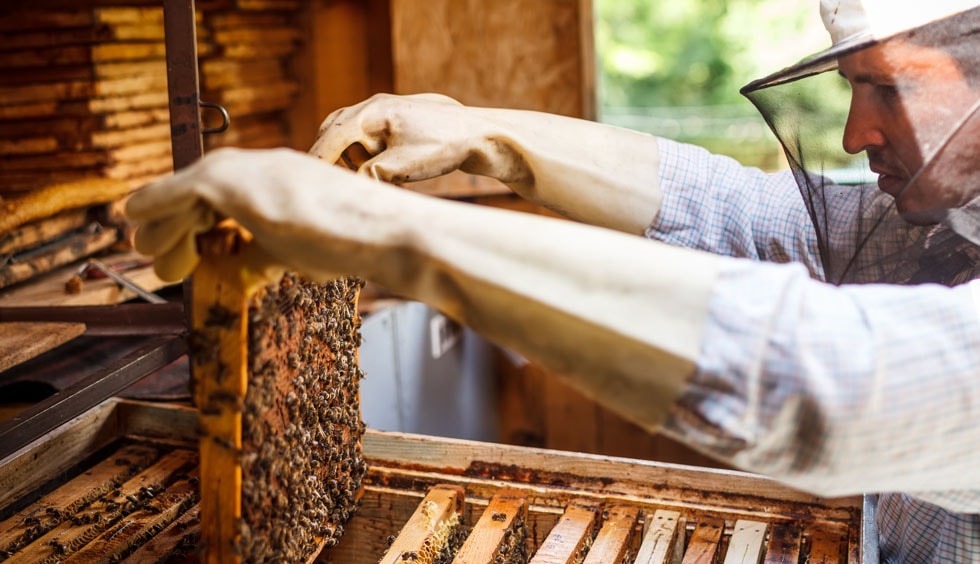
Apiculture is also known as beekeeping. This process involves the maintenance of bee colonies, which are kept mostly in man-made beehives. For apiculture, the most common honey bees used are genius Apis, but other honey-producing bees are also used like Melipona stingless bees. Beekeepers rear and manage bees to generate honey and other products of the hive such as beeswax, propolis, bee pollen, royal jelly, etc.
Moreover, beekeepers in apiculture can also earn an income from other sources of beekeeping, which include the Pollination of crops, raising queens, and production of package bees for sale. Furthermore, Bee hives are kept in an apiary or "bee yard" for rearing honey bees. An apiary is a commercial area where the bees are reared and maintained in artificial beehives, and such areas are called apiaries. Honeybees collect nectar naturally from flowers and store it in their hives. Moreover, Beehives are also a good source of wax that is used in many medicinal preparations.
Most importantly, in the present scenario, apiculture is also used for crop pollination and the production of other products, such as wax and propolis. The large-scale apiculture operations are conducted for agriculture businesses whereas small-scale beekeeping is practiced as a hobby. Because of various modifications in apiculture techniques, rearing honey bees is more accessible now and urban beekeeping is also growing. Many studies have concluded that honey bees reared in cities are healthier than the rural ones because of fewer pesticides and greater biodiversity in cities.
An Apiculture Technician specializes in the scientific management of honeybee colonies, focusing on hive health, maintenance, and the production of honey, wax, and other products. They perform tasks like inspecting colonies for diseases, queen management, and operating, cleaning, and maintaining bee equipment, with salaries typically ranging from ₹1.8 to ₹5.0 lakh per annum in India.
Apiculture Technicians play a vital role in beekeeping and honey production. Their merits include:
- Pollination Services: They help maintain healthy bee colonies, which are crucial for pollinating crops, increasing yields and supporting food security.
- Honey and Beeswax Production: Apiculture Technicians ensure optimal honey and beeswax production, contributing to the economy and providing valuable products like honey, beeswax, and royal jelly.
- Environmental Conservation: By managing bee colonies, they support biodiversity and ecosystem health.
- Income Generation: Apiculture can be a profitable venture for farmers and beekeepers, providing additional income streams.
- Medicinal and Industrial Applications: Honey and other bee products have medicinal and industrial uses, such as in pharmaceuticals and cosmetics
- Hive Management: Regularly inspecting hives for queen health, disease, and pests, ensuring proper colony development, feeding, and splitting hives as needed.
- Production & Harvesting: Extracting, processing, and packaging honey, beeswax, propolis, and pollen for market.
- Equipment Maintenance: Repairing and cleaning hive components, including smokers, veils, and honey extractors.
- Colony Transport: Moving beehives for pollination services in agricultural or horticultural settings.
- Quality Control: Monitoring the purity and quality of bee products.
- Technical Knowledge: Understanding bee biology, colony behavior, and seasonal management techniques.
- Certification: Specialized training or certification in apiculture, often provided by agricultural or technical institutes.
- Physical Stamina: The role involves manual labor, lifting, and working outdoors in various weather conditions.
- Safety Focus: Strict adherence to safety protocols for handling bees and equipment.











User's Comments
No comments there.