


Stories you may like
Biochemist
Biochemistry is a branch of science that focuses on the chemical reactions and processes that occur within living organisms. A biochemist specializes in this field of study, using their knowledge of chemistry and biology to investigate the complex chemical interactions that make life possible.
Biochemists seek to understand the molecular basis of biological processes, such as metabolism, cellular signaling, and gene expression, and use this knowledge to develop new treatments for diseases, improve agricultural practices, and develop new materials. The insights gained by biochemists have had a profound impact on our understanding of life processes and have led to numerous medical and technological advances.
Biochemists advance our understanding of the chemical processes that occur within living organisms. They investigate the molecular and chemical basis of life and the ways in which biological molecules interact with each other and the environment. Their work is vital in many areas of science, from medicine to agriculture, and has led to major breakthroughs in the development of drugs, vaccines, and diagnostic tools.
Duties and Responsibilities
Here are some of the common duties and responsibilities of biochemists:
- Research and Experimentation: Biochemists design and conduct experiments to investigate the chemical processes of living organisms. They may use a range of techniques and equipment, including molecular biology, chromatography, electrophoresis, and spectroscopy.
- Data Analysis: Biochemists analyze data and interpret experimental results to draw conclusions and make recommendations. They may use statistical software to process and analyze data and prepare reports or presentations to communicate findings.
- Development of New Products: Biochemists work with engineers and other scientists to develop new products or improve existing ones, such as drugs, vaccines, or diagnostic tests. They may also be involved in developing new biotechnologies or medical devices.
- Quality Control: Biochemists ensure that products and processes meet quality standards by conducting tests and analyzing data. They may also develop new quality control procedures and ensure that laboratory safety protocols are followed.
- Teaching and Mentoring: Biochemists may teach and mentor students in academic institutions, such as universities or colleges. They may also supervise and train technicians, research assistants, and junior scientists.
- Collaboration and Communication: Biochemists often work in interdisciplinary teams with scientists from other fields, such as physics, biology, or computer science. They need to communicate effectively with team members and external stakeholders, such as regulatory agencies or funding organizations.
- Grant Writing and Fundraising: Biochemists may apply for research grants from funding agencies or private organizations. They need to write grant proposals and justify the research goals and methodology. They may also participate in fundraising activities to secure financial support for their research.
- Continuing Education: Biochemists need to keep up with the latest advances in their field by attending conferences, reading scientific journals, and participating in continuing education programs. They may also be involved in peer review of scientific publications or serve on scientific committees or boards.
Workplace of a Biochemist
The workplace of a biochemist can vary depending on their area of specialization and the type of organization they work for. Many biochemists are employed in research and development (R&D) departments of pharmaceutical and biotechnology companies, where they work on developing new drugs, vaccines, and other medical treatments.
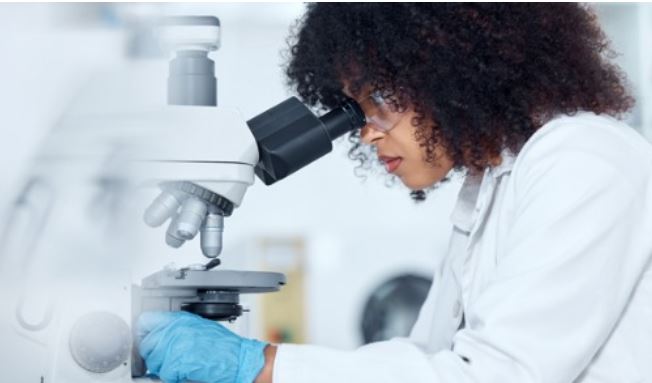
In a typical R&D setting, biochemists may spend most of their time in the laboratory conducting experiments, analyzing data, and developing new techniques or processes. They may also collaborate with other scientists, such as chemists, biologists, and medical doctors, to design and execute experiments that test the safety and efficacy of new drugs.
Academic institutions, such as universities and research institutes, also employ biochemists as professors, postdoctoral fellows, and research scientists. In these settings, biochemists may spend more time teaching and mentoring students, as well as conducting their own research.
Government agencies, such as the National Institutes of Health (NIH), also employ biochemists in various roles. For example, biochemists working for the NIH may conduct basic research to better understand the molecular basis of diseases, or they may work on developing new diagnostic tools or therapies.
Regardless of the specific workplace, biochemists typically work in teams, collaborating with other scientists and researchers to achieve a common goal. They may work long hours, especially when conducting experiments that require careful monitoring and data collection. Attention to detail and excellent communication skills are also essential for success in this field.
How to become a Biochemist
Becoming a biochemist requires a combination of education, experience, and personal qualities. Here are the steps you can take to become a biochemist:
- Obtain a Bachelor's Degree: To become a biochemist, you need to earn a Bachelor's Degree in Biochemistry, Biology, Chemistry, or a related field. During your undergraduate studies, you will learn about the chemical processes that occur in living organisms, such as how cells work, how enzymes function, and how molecules interact. You will also study mathematics, physics, and other sciences to provide a solid foundation for advanced studies.
- Gain Laboratory Experience: To gain practical experience, you can participate in undergraduate research programs or work as a laboratory assistant. This will give you hands-on experience in conducting experiments, working with lab equipment, and analyzing data. You can also gain laboratory experience through internships or co-op programs with industry or research institutions.
- Pursue a Graduate Degree: Most research-based biochemist positions require a graduate degree, such as a Master's or Ph.D. in Biochemistry, Molecular Biology, or a related field. A master's degree program takes about two years to complete, while a Ph.D. program can take up to six years. During your graduate studies, you will conduct original research, write scientific papers, and present your findings at conferences.
- Get Professional Experience: After completing a graduate degree, gaining professional experience is important. Biochemists can work in academia, government, the biotech or pharmaceutical industry, or research institutions. Professional experience will help you develop practical skills, such as experimental design, data analysis, and project management. You can also develop leadership skills by supervising research projects or managing teams.
- Develop Strong Analytical and Problem-Solving Skills: Biochemists need strong analytical and problem-solving skills to design experiments, interpret data, and draw conclusions. You can develop these skills through coursework, laboratory experience, and research projects. To be successful in the field, you should be able to think critically, work independently, and communicate your findings effectively.
- Stay Up-to-Date with Research and Developments: Biochemistry is a rapidly evolving field, and staying up-to-date with the latest research and developments is important. You can do this by attending conferences, reading scientific journals, and collaborating with other researchers. You can also participate in professional organizations, such as the ASBMB, to network with other biochemists and stay informed about new developments in the field.
- Obtain Certifications: Professional certifications are not required but can enhance your job prospects. Certification programs are offered by professional organizations, such as the ASBMB, and demonstrate your expertise in specific areas of biochemistry
Skills needed for a Biochemist
Technical & Scientific Skills
- Strong knowledge of biochemistry & molecular biology
- Laboratory techniques (PCR, chromatography, spectroscopy, electrophoresis)
- Chemical analysis & assay development
- Cell culture & enzyme kinetics
- Data interpretation & statistical analysis
- Use of lab instruments (HPLC, mass spectrometry, centrifuges)
- Bioinformatics & computational tools (basic coding, databases)
Analytical & Cognitive Skills
- Critical thinking & problem-solving
- Attention to detail (accuracy is everything in labs!)
- Research design & hypothesis testing
- Logical reasoning
- Ability to interpret complex data
Research & Documentation Skills
- Scientific writing (research papers, reports, grant proposals)
- Literature review & data documentation
- Experiment planning & record-keeping
- Following lab safety and ethical standards
Digital & Technical Tools
- Statistical software (SPSS, R, Python – basic to intermediate)
- Laboratory Information Management Systems (LIMS)
- Presentation & reporting tools
Soft Skills
- Teamwork & collaboration
- Clear communication (explaining results to non-experts)
- Time management
- Adaptability & curiosity
- Perseverance & patience
Career-Boosting Skills (Optional but Valuable)
- Project management
- Quality control & regulatory knowledge
- Teaching or mentoring
- Industry or clinical research exposure
Salary
Biochemist Salary in India
Entry-Level (0–2 years)
- ₹3 – 5 LPA
- Roles: Lab analyst, research assistant, junior biochemist
Mid-Level (3–7 years)
- ₹6 – 10 LPA
- Roles: Research scientist, quality control biochemist, clinical biochemist
Senior-Level (8–15+ years)
- ₹12 – 20+ LPA
Industry-wise Salary Range
|
Industry |
Average Salary |
|---|---|
|
Pharmaceuticals & Biotech |
₹6 – 15 LPA |
|
Clinical Diagnostics & Hospitals |
₹4 – 10 LPA |
|
Research Institutes (Govt/Private) |
₹5 – 12 LPA |
|
Food & Agriculture |
₹4 – 8 LPA |
|
Academia (Lecturer/Professor) |
₹6 – 18 LPA |
International Salary (Approx.)
- USA: $65,000 – $110,000 per year
- UK: £30,000 – £55,000 per year
- Canada: CAD 55,000 – 90,000 per year
Factors That Increase Salary
- PhD or postdoctoral research
- Specialized skills (bioinformatics, proteomics, genomics)
- Industry experience (biotech/pharma)
- Publications & patents
- Working in MNCs or funded research projects










User's Comments
No comments there.