



Stories you may like
Biologist
A biologist studies living organisms, including their structure, function, evolution, behavior, interactions with each other and the environment, and the processes that govern their existence. Biologists explore the diversity of life, from the smallest microorganisms to the largest mammals and everything in between. They use a range of techniques, including molecular biology, genetics, biochemistry, ecology, and evolutionary biology, to understand the biological processes that underpin life.
Biologists work in a wide variety of settings, including universities, research institutions, government agencies, private companies, and nonprofit organizations. Some biologists focus on basic research to expand our knowledge of the natural world, while others apply their expertise to address practical problems, such as developing new medicines, protecting endangered species, or managing ecosystems.
By studying genetics, ecology, evolution, and other areas of biology, biologists are able to develop critical insights into the complex systems that make up our planet. Biologists help to develop new medical treatments, improve agricultural practices, and conserve endangered species and their habitats. They are essential for our understanding of life and for finding solutions to the many challenges facing our world today.
Duties and Responsibilities
Here are some of the duties and responsibilities that biologists may have:
- Conducting Research: Biologists may work in laboratories or in the field, conducting experiments and collecting data to answer scientific questions. They may use a variety of techniques, such as microscopy, genetic analysis, or field observation, to study living organisms and their interactions with the environment. Biologists may also collaborate with other scientists or work on interdisciplinary teams to tackle complex scientific problems.
- Developing Theories and Models: Biologists use their observations and data to develop theories and models that explain biological phenomena. They may use statistical methods, mathematical models, or computer simulations to test and refine their theories. Biologists may also use their theories to make predictions about how biological systems will respond to changes in the environment or other factors.
- Identifying and Classifying Organisms: Biologists use taxonomic methods to identify and classify organisms into different groups based on their physical characteristics, behavior, genetics, or other factors. This helps biologists understand the relationships between different species and the diversity of life on Earth. Biologists may also use molecular techniques, such as DNA sequencing, to study the evolutionary relationships between organisms.
- Monitoring and Managing Populations: Biologists may study the distribution and abundance of populations of different species in different environments. They may use methods such as population surveys or remote sensing to track changes in populations over time. Biologists may also work to protect endangered species, manage invasive species, or promote biodiversity conservation through habitat restoration or other methods.
- Investigating Disease: Biologists may study the causes and spread of diseases in organisms, from bacteria and viruses to plants and animals. They may investigate the mechanisms by which pathogens infect host organisms and develop treatments or preventive measures to control disease outbreaks. Biologists may also study the role of genetics or environmental factors in disease susceptibility.
- Studying Genetics: Biologists may study the genetic makeup of organisms to understand how genes control traits and how they are passed from one generation to the next. They may use techniques such as gene editing or genetic engineering to modify organisms for research, medical, or industrial purposes. Biologists may also study the evolutionary history of genes and the mechanisms by which new genes arise.
- Teaching and Mentoring: Biologists may teach courses in biology at universities, colleges, or high schools. They may also mentor students or supervise research projects. Biologists may also participate in outreach activities, such as giving talks or workshops to the public or schools, to promote scientific literacy and engage the public in scientific research.
- Writing and Publishing: Biologists may write research papers, review articles, or books on their findings and theories. They may also communicate their work to the public through popular science books, websites, or other media. Biologists may also participate in scientific conferences or seminars to share their work and collaborate with other scientists.
Workplace of a Biologist
The workplace of a biologist can vary widely depending on their area of specialization and their employer. Biologists work in a variety of settings, including universities, research institutions, government agencies, and private companies. Many biologists spend a significant amount of time in the field collecting data and samples, while others spend most of their time in a laboratory analyzing data and conducting experiments.
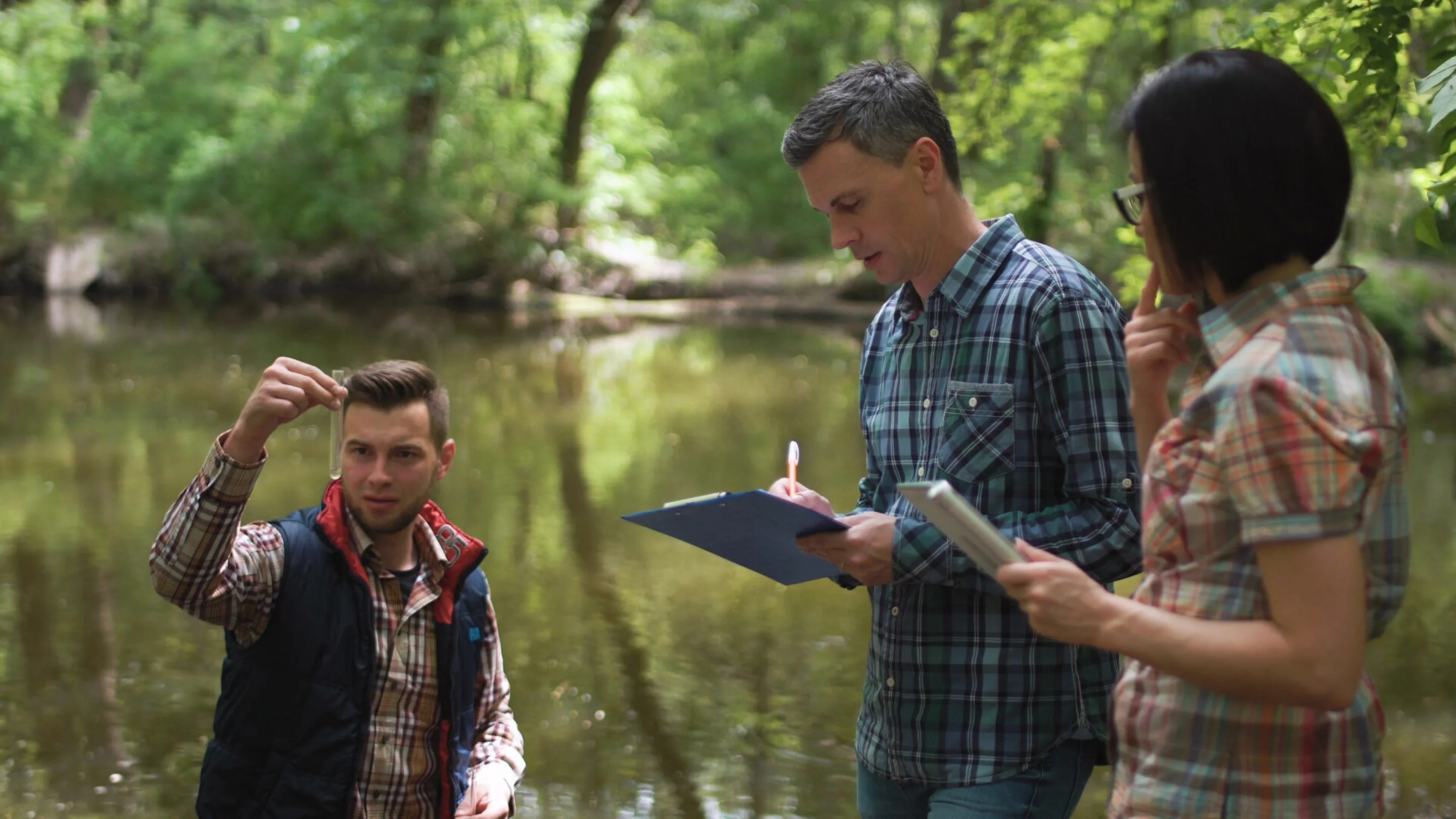
Field biologists may work in remote locations, such as rainforests, deserts, or oceans, to study animals, plants, or ecosystems. They may conduct surveys, collect specimens, or track animal movements. Fieldwork can be physically demanding and may require extended periods away from home, but it also provides the opportunity to observe organisms in their natural habitat and gain a deeper understanding of their behavior and interactions.
Laboratory biologists, on the other hand, may spend their days conducting experiments, analyzing data, or preparing samples. They may work with a wide range of equipment, including microscopes, centrifuges, and various instruments for measuring chemical and biological properties. Laboratory work often requires strict adherence to safety protocols and careful record-keeping to ensure the accuracy and reproducibility of results.
Regardless of their specific work environment, biologists must be able to communicate their findings effectively to colleagues, policymakers, and the general public. This may involve writing scientific papers, presenting at conferences, or engaging in outreach activities to promote scientific literacy and public understanding of biological concepts. Collaboration is also an essential part of many biologist's jobs, as they often work in teams with other scientists, technicians, and support staff to achieve their research goals.
How to become a Biologist
Becoming a biologist requires dedication, education, and hands-on experience. Here are some detailed steps to help you become a biologist:
- Start With a Strong Foundation in Science: Aspiring biologists should start by developing a strong foundation in science, particularly in biology, chemistry, physics, and mathematics. You should take science courses in high school and strive to excel in them. This will prepare you for college-level science courses and give you a good understanding of the scientific method.
- Pursue a Bachelor's Degree in Biology: A Bachelor's Degree in Biology or a related field is typically required for most jobs in biology. Choose a college or university with a strong biology program and earn your bachelor's degree. Many universities offer programs that allow you to specialize in a particular area of biology, such as genetics, ecology, or microbiology.
- Consider Advanced Degrees: While a bachelor's degree is the minimum requirement for most biology jobs, an advanced degree can open up many more opportunities in the field. A Master's or Ph.D. degree can be particularly beneficial for those interested in research or specialized areas of biology. When choosing a graduate program, consider the research focus of the faculty and their research funding.
- Gain Hands-on Experience: Hands-on experience is essential for biologists. Consider opportunities to intern, volunteer, or work in a laboratory or research setting. This will give you valuable experience and help you make connections in the field. Many colleges and universities offer research opportunities for undergraduates, and you can also look for internships or volunteer positions at local research institutions or organizations.
- Network: Networking is key to landing a job in biology. Attend conferences, join professional organizations, and participate in online forums related to your field of interest. This will help you connect with other biologists and learn about job opportunities. You can also connect with alumni from your college or university or other professionals in the field.
- Stay Up-To-Date With Developments in the Field: Biology is a rapidly evolving field, so it's essential to stay current on the latest research and developments. Read scientific journals, attend seminars and workshops, and follow relevant social media accounts to stay informed. This will also help you identify new areas of research or emerging fields within biology.
- Consider Specializing: There are many specialized areas of biology, such as genetics, ecology, microbiology, and more. Consider specializing in a particular area of interest to become an expert in your field. You can do this by pursuing graduate studies or by seeking out opportunities to work with researchers or professionals in that area.
- Consider Certification: Professional certification can enhance your resume and demonstrate your expertise to potential employers. Certification typically requires passing an exam and meeting certain educational or experience requirements. Check with the professional organization in your area to learn about certification options.
- Develop Soft Skills: In addition to scientific knowledge and technical skills, biologists need to develop soft skills such as communication, teamwork, and problem-solving. These skills are important for working effectively with other scientists, communicating research findings to non-scientific audiences, and solving complex research problems.
Skills
Here are some essential skills for a biologist:
Scientific Skills:
1. Laboratory techniques: Proficiency in laboratory techniques, such as microscopy, chromatography, and molecular biology.
2. Data analysis: Ability to collect, analyze, and interpret data from experiments and research studies.
3. Research design: Ability to design and conduct experiments, including developing hypotheses and research questions.
4. Critical thinking: Ability to critically evaluate scientific literature, data, and research findings.
5. Problem-solving: Ability to identify problems, develop solutions, and troubleshoot experimental issues.
Communication Skills:
1. Writing: Ability to write clear, concise, and well-organized scientific reports, papers, and proposals.
2. Presenting: Ability to effectively present research findings to audiences, including scientists, policymakers, and the general public.
3. Collaboration: Ability to work collaboratively with other scientists, researchers, and stakeholders.
Technical Skills:
1. Molecular biology software: Familiarity with software and tools, such as BLAST, GenBank, and phylogenetic analysis.
2. Bioinformatics: Knowledge of bioinformatics tools and databases, such as genome assembly and gene expression analysis.
3. Laboratory equipment: Familiarity with laboratory equipment, such as microscopes, spectrophotometers, and PCR machines.
Soft Skills:
1. Time management: Ability to prioritize tasks, manage time effectively, and meet deadlines.
2. Attention to detail: Attention to detail and ability to accurately record and analyze data.
3. Adaptability: Ability to adapt to new research findings, techniques, and technologies.
4. Teamwork: Ability to work effectively in teams, including collaborating with colleagues and mentoring students.
Specialized Skills (depending on field):
1. Taxonomy: Knowledge of classification and identification of organisms.
2. Ecology: Understanding of ecological principles and methods, such as sampling and statistical analysis.
3. Genomics: Knowledge of genomics, including genome assembly, gene expression, and gene editing.
4. Biostatistics: Knowledge of statistical analysis and interpretation of biological data.
By possessing these skills, biologists can contribute to our understanding of the natural world, develop new treatments and products, and address pressing environmental and health issues.
Salary
The salary for biologists in India varies based on factors like experience, location, and specialization. Here are some average salary ranges for biologists in India:
Average Salary: ₹7,63,400 per year (₹41,350 per month)
Biologist Salary Range:
Entry-level (0-2 years): ₹4,85,200 - ₹5,24,400 per year
Mid-career (4-9 years): ₹7,34,200 - ₹7,32,800 per year
Senior-level (10-20 years): ₹12,82,500 - ₹11,43,200 per year
Highest Salary: ₹30,00,000 per year (₹2,50,000 per month)
Specialized Biologist Salaries:
Wildlife Biologist: ₹4,98,600 per year (₹27,010 per month)
Marine Biologist: ₹7,54,300 per year (₹40,860 per month)
Research Biologist: ₹4,94,250 per year (₹2,38 per hour)
Molecular Biologist: ₹6,12,400 per year (₹33,170 per month)
These figures are based on national averages and can vary depending on location, experience, and industry. Cities like Mumbai, Delhi, and Bangalore tend to offer higher salaries for biologists. Additionally, having a higher education level, such as a master's degree or Ph.D., can also impact salary ranges.








User's Comments
No comments there.