


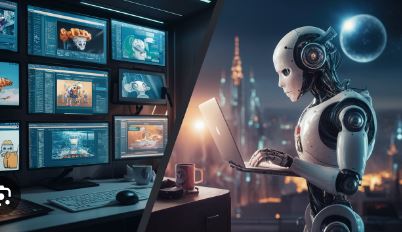
Stories you may like
7 Tips to Use AI Animation Software
AI animation software has transformed how animated content is created, making it possible to produce high-quality animation video projects without years of traditional animation training. From beginner creators to experienced animator professionals, using artificial intelligence in animation opens new creative possibilities while streamlining the animation process. Whether the goal is to create engaging explainer videos, animated videos for marketing, or advanced animation for storytelling, understanding how to use AI animation tools effectively can significantly improve results.
1.Start With the Right AI Animation Tool
1. Choose Software That Matches Your Animation Goals
The first step in using AI animation successfully is selecting the right animation software. Different AI tools specialize in different outcomes, such as 2D animation, 3D animation, character animation, or animated videos without complex timelines. Some platforms focus on animations from text, while others excel at animate characters from static images or ai image inputs.
Beginners often benefit from an online AI animation generator with an intuitive interface and video templates, while advanced users may prefer tools that integrate with Adobe Animate or other Adobe products. Choosing software aligned with your animation experience ensures a smoother workflow and better animation creation.
2. Learn How to Write Effective Prompts
2. Use Text Prompts to Guide AI Accurately
Most AI animation generator platforms rely heavily on text prompts. Learning how to write clear, descriptive prompts is essential to generate animations that match your vision. A well-structured prompt helps the AI understand style, motion, pacing, and tone, whether you are creating 2D animation or experimenting with using 3D elements.
Using AI in animation becomes more effective when prompts include specific actions, camera movements, and emotional cues. This approach allows you to create animations quickly while maintaining creative control over the final animation video.
3. Combine AI With Traditional Animation Principles
3. Apply Animation Fundamentals for Better Results
While AI technology simplifies many tasks, understanding traditional animation principles still matters. Concepts like timing, spacing, and anticipation improve animation quality, even when animations are generated by machine learning models. AI in your animation workflow should enhance creativity, not replace animation skills entirely.
By combining animation using AI with foundational knowledge, creators can make animation that feels natural and professional. This balance is especially important when creating complex animations or character animation that needs emotional depth.
4. Experiment With 2D and 3D Animation Features
4. Explore Different Animation Styles and Formats
Many AI animation tools now support both 2D animation and 3D animation. Experimenting with these features allows you to create professional-looking animations suited to different types of video content. For example, explainer videos often work well in 2D, while product demos or cinematic sequences may benefit from using 3D visuals.
Trying multiple animation features helps creators understand how AI technology can generate animations that fit animated and live-action videos. This flexibility is a major advantage of AI in animation compared to traditional animation workflows.
5. Optimize Your Animation Workflow With AI
5. Streamline the Animation Process
One of the biggest benefits of using AI animation software is the ability to optimize the animation process. Tasks that once took hours, such as rigging, in-betweening, or scene transitions, can now be automated. This allows animators to focus on storytelling and creative direction.
Using AI animation tools within a structured workflow also makes video editing and video creation more efficient. Whether you are creating animated videos without advanced software or producing professional projects, AI helps reduce repetitive work while maintaining consistency.
6. Use AI to Animate Characters and Images
6. Transform Static Images Into Motion
AI animation makes it possible to animate characters and static images with minimal effort. Many platforms allow users to upload an AI image or illustration and generate animations based on facial expressions, gestures, or predefined motion styles. This capability is especially useful for beginners who want to create an animation without mastering complex rigs.
Animating characters through AI enables faster animation creation and opens new opportunities for storytelling, especially in short-form animated content and social media videos.
7. Test, Refine, and Scale Your Animated Videos
7. Improve Quality Through Iteration
AI-generated animations are rarely perfect on the first attempt. Testing different prompts, adjusting animation features, and refining motion sequences are essential steps to create professional animations. Iteration helps improve quality animation and ensures the final result aligns with creative goals.
Once a process is refined, AI allows creators to scale production. Making animated videos for multiple platforms becomes easier, whether producing explainer videos, tutorials for beginners, or marketing assets. This scalability is reshaping the animation industry and how video content is produced.







User's Comments
No comments there.