


Stories you may like
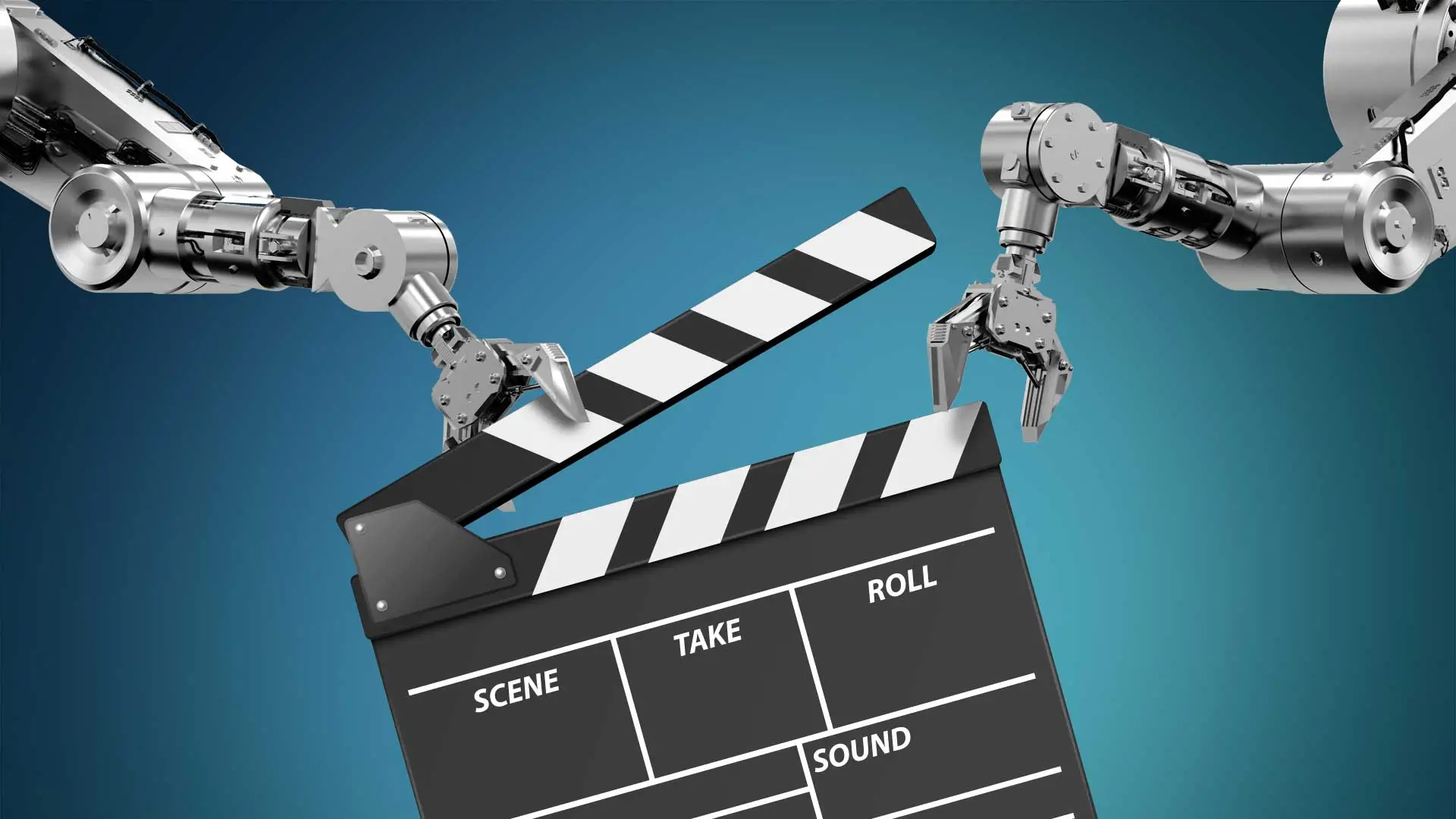
The Impact of AI Technology on the Filmmaking Industry
As a craft, filmmaking perfectly blends human creativity and freedom of expression. Turning an idea into a convincing film requires strong storytelling, exceptional camera skills, and a creative bent of mind. AI technology is creating a massive disruption in this field, redefining filmmaking.
The impact of AI on the filmmaking industry is revolutionary. Tools powered by artificial intelligence can make groundbreaking advancements in cinema production. That said, critics fear that AI will stifle human creativity and destroy the sense of reality in cinema.
In this post, I’ll discuss the impact of AI on the filmmaking industry. We’ll also look at the risks of the excessive use of AI and how best to strike a balance.
Let’s get started.
Positive Impact of AI on the Filmmaking Industry
Undoubtedly, AI can contribute to the filmmaking industry in multiple ways. The possibilities are endless, from helping to create movie titles and taglines to scriptwriting and special effects. Some of the areas where we’re seeing major contributions are:
Tackling the Writer’s Block
Filmmakers can hit writer’s block at different stages of their careers. When they run dry on ideas, AI can provide quality assistance.
For instance, the short film idea generator by Postfity uses advanced AI technology to create ideas for short films, documentaries, branded videos, and so on. Independent filmmakers and content creators can provide instructions to customize templates and generate unique and trendy ideas.
Moreover, tools like MidJourney or Adobe can be extremely helpful in visual brainstorming. Such tools can help create pre-production storyboards to save time and resources.
Assistance in Scriptwriting
Compelling storytelling is at the heart of any good film. If there’s one area of filmmaking that has willingly embraced AI assistance, it’s scriptwriting. Multiple tools are available today to help writers generate original content right from the names of the characters to dialogues and even an entire movie script.
AI scriptwriting tools like Final Draft and Nolan AI are quite popular with filmmakers to generate professional-grade scripts. Some of the top AI-driven video-making tools like the ones reviewed in this Attrock post can assist in screenplay writing and generating video clips based on text prompts.
One of the fundamental tasks of the pre-production is narration. How you narrate your story sets the tone for the actors and the technical crew. An AI-driven pitch deck maker can help you bring your script to life and communicate your expectations to the entire team.
Enhancing Film Editing Efficacy
Editing and refining your raw footage to produce a well-rounded film can be grueling and expensive. Thanks to AI-powered editing tools, filmmakers can achieve unprecedented levels of precision, creative flexibility, and efficiency.
The algorithms can help you identify the most appealing action sequences, angles, and patterns. You can use tools like Sora to execute re-cuts, remixes, and loops and seamlessly combine clips to produce captivating scenes.
The introduction of AI has also given rise to new creative roles employing professionals who know how to use these editing tools to their optimal level. With such assistance, filmmakers can reduce manual labor and expense while producing high-quality work.
Making Data-Driven Decisions
AI and machine learning technology can quickly analyze a plethora of data. Filmmakers can harness this ability to refine their work and make data-driven decisions at various stages of filmmaking.
Want to know how convincing or entertaining your storyline is? Use an AI tool like ScriptBook to analyze your script, identify the pattern, and generate ideas to make it more engaging. Allow AI to scout locations virtually and suggest the most suitable ones based on your script.
Boosting Film Promotion and Marketing
AI can play a significant role in promotions and marketing your movie as well. It can analyze the market and help grow an audience base for filmmakers by crafting promotional campaigns that draw the crowd to the theaters like a magnet. A director even used IBM’s AI Watson to create trailers for his movie without any human assistance.
With the speed and magnitude at which AI technology is growing, we can expect to see a greater impact of AI on the filmmaking industry in the years to come.
Risks of Overusing AI in Filmmaking
While a large portion of the film fraternity agrees that the impact of AI on the filmmaking industry is positive, many disagree. They fear AI and ML will do more harm than good to the craft.
Some of the major concerns are:
Threat to Creative Expression
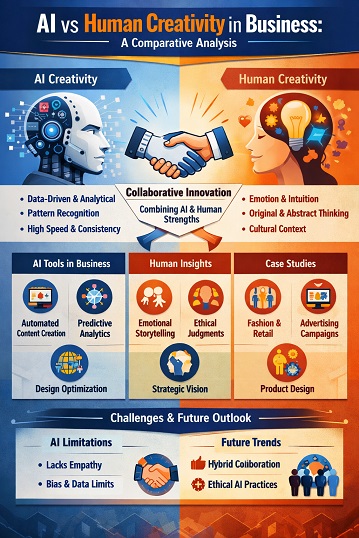
The most serious concern against the impact of AI on the filmmaking industry is that it’s killing creativity. Algorithms rely on patterns and formulas to generate scripts and ideas for filmmaking. Where then is the room for creative expression and coming up with a never-before-heard storyline?
Concerns About Ethical Standards
We have seen how CGI and VFX can deliver visually immersive experiences that stay etched in the audience’s minds for a long time. Movies like Avatar and Avatar 2 are great examples.
However, experts say that overusing these technologies may have a negative impact. When we consider the latest trends in storytelling, there’s a growing concern that AI and deepfake technology may alter the fundamental ethics of this craft.
This will not only blur the line between reality and visual effects but also create unrealistic expectations in the minds of the audience.
While a film like Jurassic Park or Tomorrowland is a visual marvel, audiences may eventually fail to appreciate the stunts and actions that the actors perform. Thus, AI may pose a threat to authenticity in filmmaking.
To strike a balance, AI tools, such as AI meeting assistants, should only be used as support. Technology should be employed to handle time-consuming tasks and refine the final product. At the same time, a greater responsibility lies with the filmmakers to never compromise on compelling storytelling and high-quality cinematography.
Final Thoughts
After analyzing the impact of AI on the filmmaking industry, we can say with certainty that the technology is here to stay. It will bring a greater level of innovation, pushing creative minds to explore newer horizons in visual storytelling.
The association between technology and filmmaking can be truly successful when filmmakers are in complete control. Instead of seeing AI as a threat, the film industry should embrace it as an excellent assistant to reach new levels of excellence.




User's Comments
No comments there.