


Stories you may like
Catheterization Laboratory Technician
A Catheterization Laboratory Technician, often referred to as a Cath Lab Tech, is a highly specialized healthcare professional who plays a critical role within the cardiology department. They primarily assist in diagnostic and interventional cardiovascular procedures. Working under the guidance of cardiologists, these technicians ensure the accurate and efficient operation of the catheterization laboratory. Their expertise encompasses the management of sophisticated imaging equipment and instruments necessary for coronary procedures, enabling the visualization and treatment of heart and blood vessel conditions.
Cath Lab Techs also play a vital role in maintaining a sterile environment and ensuring patient safety throughout procedures involving catheter insertion, angioplasty, stent placement, and electrophysiological studies. Their responsibilities extend to preparing patients for procedures, monitoring vital signs, and ensuring the readiness of all required materials and equipment. Through rigorous training and continuous education, Cath Lab Techs stay abreast of the latest technological advancements and procedural protocols, thereby contributing to the high standards of care provided in cardiovascular medicine.
What Does A Catheterization Laboratory Technician
How To Become A Catheterization Laboratory Technician
Catheterization Laboratory Technician Career Paths
A Catheterization Laboratory Technician, commonly referred to as a Cath Lab Tech, plays a crucial role in the diagnosis and treatment of cardiovascular diseases. The career path for a Cath Lab Tech typically begins with obtaining a high school diploma or GED, followed by specialized education in cardiovascular technology or a related field, often culminating in an associate or bachelor's degree. Many prospective Cath Lab Techs also complete a certification program accredited by organizations such as Cardiovascular Credentialing International (CCI) or the American Registry of Radiologic Technologists (ARRT) to enhance their qualifications and improve job prospects.
Once education and certification requirements are met, entry-level positions in hospitals or specialized cardiovascular clinics are commonplace starting points. On-the-job training under the supervision of experienced professionals is essential in gaining hands-on experience with the complex equipment and procedures involved in cardiac catheterization. As Cath Lab Techs gain experience, they may take on more advanced responsibilities, such as assisting in more complex procedures or providing training to new technicians. Career advancement could also involve obtaining further specializations, such as pediatric cardiology or electrophysiology, or moving into supervisory or managerial roles within healthcare facilities. Continuous education and staying abreast of technological advancements are vital for long-term career development in this field.
Duties and Responsibilities.
1. Pre-Procedural Preparation
Before the patient even enters the room, the technician ensures the "theatre" is set.
- Equipment Calibration: Setting up and testing complex imaging equipment (like fluoroscopy) and hemodynamic monitoring systems.
- Room Sterilization: Maintaining a strictly sterile environment and preparing surgical trays with the necessary catheters, guidewires, and stents.
- Patient Prep: Shaving, cleansing, and draping the site (usually the groin or wrist) and positioning the patient for optimal imaging.
2. Technical & Clinical Expertise
-
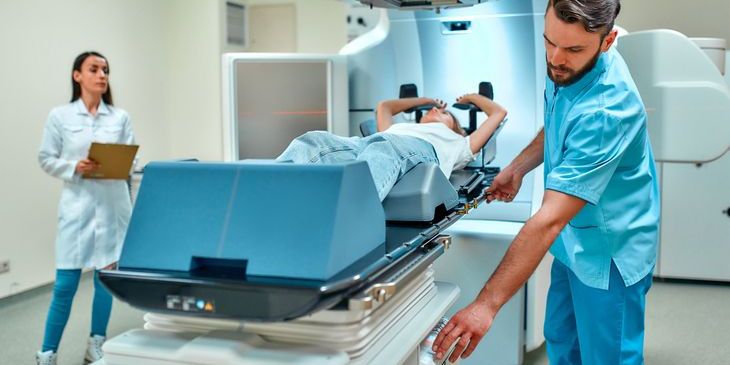
Imaging Assistance: Operating the X-ray table and C-arm to help the physician visualize the heart’s arteries.
-
Emergency Response: Being ready to assist in ACLS (Advanced Cardiovascular Life Support) if a patient goes into cardiac arrest or respiratory distress during a procedure.
-
Medication Management: Handling contrast media (dye) and assisting with the administration of anticoagulants or anesthetics under supervision.
3. Post-Procedural Care
-
Hemostasis: Applying manual pressure or using closure devices on the arterial access site to prevent bleeding or hematomas.
-
Data Management: Finalizing the procedural report, archiving images, and ensuring all charges and supplies used are documented for hospital records.
-
Equipment Maintenance: Cleaning the lab and troubleshooting any technical glitches in the imaging software.










User's Comments
No comments there.