


Stories you may like
Forensic Scientist
A forensic scientist applies scientific methods to analyze and interpret physical evidence in criminal investigations. These experts work in laboratories, specializing in various disciplines such as DNA analysis, toxicology, ballistics, and trace evidence examination. The primary responsibility of a forensic scientist is to conduct thorough and precise examinations of evidence collected from crime scenes, providing critical insights that aid law enforcement agencies in solving crimes.
Forensic scientists employ advanced technologies and methodologies to analyze evidence, ranging from biological samples to materials found at crime scenes. Their expertise is needed in uncovering details related to the cause and manner of death, identifying perpetrators, and reconstructing crime scenarios. Through the application of rigorous scientific analysis, forensic scientists contribute significantly to the legal system, providing accurate and reliable information that assists in the pursuit of justice.
Duties and Responsibilities
The duties and responsibilities of a forensic scientist involve a range of specialized tasks related to the scientific analysis and interpretation of evidence. Here are the primary responsibilities of a forensic scientist:
- Evidence Analysis: Conduct detailed analysis of various types of evidence, such as biological samples (DNA), chemicals, drugs, firearms, digital data, and more. Employ advanced laboratory techniques and equipment to extract, isolate, and analyze evidence.
- Crime Scene Investigation: Participate in crime scene investigations to collect relevant evidence, document findings, and ensure the preservation of forensic evidence in accordance with proper procedures. Analyze and interpret patterns or conditions at crime scenes that may be relevant to the investigation.
- Report Generation: Prepare detailed and accurate reports documenting the methods used, results obtained, and interpretations made during the analysis.
- Expert Witness Testimony: Serve as an expert witness in legal proceedings, presenting and explaining forensic findings to judges, juries, attorneys, and other legal professionals. Assist in the preparation of legal documents and reports for court purposes.
- Quality Control and Assurance: Adhere to strict quality control and assurance measures to ensure the accuracy, reliability, and reproducibility of forensic analyses. Stay updated on the latest advancements in forensic science methodologies and technologies.
- Collaboration: Collaborate with other forensic scientists, law enforcement personnel, and experts in related fields to integrate findings and contribute to comprehensive investigative efforts. Communicate effectively with colleagues, investigators, and legal professionals.
- Specialized Expertise: Depending on the specialization, forensic scientists may focus on areas such as DNA analysis, toxicology, serology, trace evidence, digital forensics, or other specialized fields within forensic science. Stay current with advancements in their specific field of expertise.
- Ethical Standards: Adhere to ethical standards and guidelines in the conduct of forensic analyses, ensuring the integrity and impartiality of the scientific process.
- Research and Development: Engage in research and development activities to improve forensic methodologies, develop new techniques, and contribute to the advancement of the field.
Workplace of a Forensic Scientist
Forensic scientists typically work in a variety of environments, depending on their specialization and employer. The workplace settings for forensic scientists can include crime laboratories, law enforcement agencies, government agencies, private consulting firms, and academic institutions.
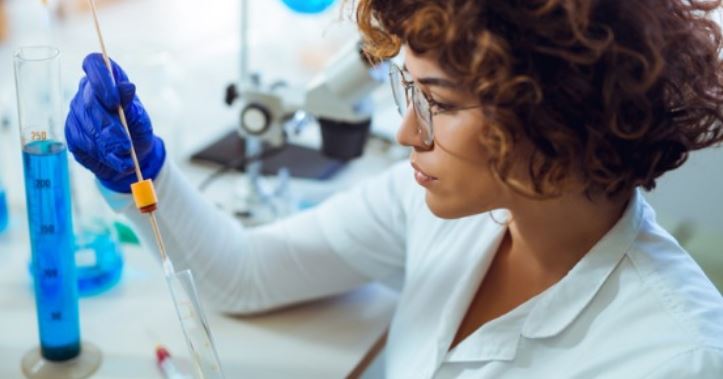
In crime laboratories, forensic scientists often work in well-equipped facilities where they analyze evidence collected from crime scenes. These laboratories are designed to meet the specific needs of forensic analysis, providing state-of-the-art equipment for examining various types of evidence, such as DNA, fingerprints, toxicology samples, and more. The work environment is generally focused and organized, with strict protocols to ensure the accuracy and reliability of forensic analyses.
Within law enforcement agencies, forensic scientists may work closely with investigators and other law enforcement personnel. They might be involved in crime scene investigations, collecting and processing evidence to aid in solving criminal cases. This can involve working in diverse environments, from crime scenes to laboratories, and collaborating with a multidisciplinary team.
Government agencies, such as the Federal Bureau of Investigation (FBI) or the Drug Enforcement Administration (DEA), also employ forensic scientists. These professionals may be involved in high-profile cases or specialized investigations, and they often work in a structured and secure environment.
Private consulting firms may hire forensic scientists to provide expertise in legal cases, working as expert witnesses or consultants. This setting may involve a more flexible work schedule and the opportunity to be involved in a range of cases.
In academic institutions, forensic scientists may engage in research and teach courses related to forensic science. This environment allows for a combination of research, education, and collaboration with other academics and professionals.
Regardless of the specific workplace, forensic scientists need to adhere to ethical standards and legal protocols. Attention to detail, effective communication skills, and the ability to work under pressure are essential in this field.
18 important skills for a Forensic Scientist
1. written and verbal communication
When drafting a report, presenting findings to colleagues or testifying in a criminal trial, forensic Scientists may rely on their written and verbal communication abilities to share the results of their investigation. These skills may also assist them in collaborating with other law enforcement or investigation personnel. As these are essential professional obligations that forensic scientists often communicate clearly and effectively with a wide range of audiences
2. Evidence analysis
Evidence is any information or object that is accepted into court for judges and juries to consider during a case hearing. One of the most important aspects of a forensic scientist's job is their capacity to analyse digital, molecular, biological and chemical components of criminal evidence. Before reaching a conclusion about criminal evidence, they may investigate all possible outcomes and reject all less likely alternatives to obtain reliable results.
3. Attention to detail
To accomplish their professional obligations, forensic scientists may inspect pieces of evidence that are old, broken or otherwise difficult to detect and evaluate. As a result, they rely on their strong attention to detail. Their job may require them to notice minor details and distinctions. When examining and recording evidence, they adhere to precise norms and procedures. Being detail-oriented can assist them in following all regulations and policies to avoid any objection from law enforcement agencies about their findings.
4. science and mathematics
Forensic scientists who do technical analysis benefit from knowledge in other fields, such as science and mathematics. Throughout a criminal investigation, they may employ a variety of scientific methodologies to address and answer questions. They may use arithmetic to solve problems and comprehend facts and events. Forensic scientists with strong math skills can also use numerical data to prove or negate events from the evidence they examine.
5. Analytical thinking
Because studying and solving complicated problems is an important part of their job, a good forensic scientist is extremely analytical. Forensic scientists use scientific methods and evidence testing to provide critical information to law enforcement officers. Being detail-oriented and able to assess parts of key information through critical thinking are both crucial aspects of the role. A qualified forensic scientist uses the analytical process to identify evidence and link it to a suspect or crime scene.
6. professionalism and objectivity
Forensic scientists maintain as much objectivity as possible when analysing significant criminal evidence. This requires them to stay professional and neutral throughout the entirety of an inquiry so they can report unbiased information. The findings of forensic scientists may influence the outcome of criminal prosecutions, which means they have crucial duties which require being honest and objective.
7.Time management
Some pieces of evidence are time-sensitive, so gathering and preserving it is critical to solving a case. Other experts involved in an inquiry may rely on the findings of forensic scientists to carry out their tasks. As a result, time management and the ability to adhere to a schedule are important for this position.
8. Active listening
A forensic scientist may gather external information about the circumstances of a crime, the people involved and the physical evidence. Being an active listener can help you stay alert and receptive to verbal and physical cues from law enforcement officers. This can also help you evaluate all possible scenarios while analysing findings and data.
9. Problem-solving
In the same way that forensic scientists use their analytical talents to understand information, they can also use their problem-solving abilities. They use these abilities to deal with unusual evidence during an investigation. Reliable conclusions often demand a high level of skill and precision, meaning these professionals often devote more time and effort to solve problems.
10. Deductive reasoning
Deductive reasoning allows forensic scientists to make informed decisions about the facts of a crime by combining multiple pieces of evidence and other information. During a criminal investigation, deductive reasoning entails formulating a hypothesis, locating and analysing evidence and producing outcomes that confirm or refute the initial notion. This can aid forensic scientists in delivering reliable results.
11.Legal Process
One of the most significant parts of being a forensic scientist is a thorough understanding of the role of forensic science in the legal system. As forensic science is so important in many cases, professionals benefit from knowing how to gather evidence correctly to stay valid in court. They can also be aware of their state's evidence transfer procedures to ensure that documentation is complete when delivering processed evidence to police or lawyers.
12. Crime scenes Processing
When collecting evidence and documenting a crime scene, forensic science experts need precision. These professionals identify and document each piece of evidence and its precise location at the crime scene. They use photographs and sketches to create records and also search for less visible evidence, such as fingerprints, bodily fluids and fragments embedded in a wall or, hidden beneath furniture.
13. Forensic Equipment
The use of laboratory equipment is required by forensic science technicians. For example, microscopes are used to analyse hair, fibres and bullets. They extract DNA from blood taken at the site using laboratory equipment. These scientists also often enter data into computers and compare DNA and fingerprints data in databases.
14.Critical thinking
Forensic science professionals take many pieces of evidence away from a crime scene. When at the lab, they examine each piece of evidence individually and combine data to determine what may have happened. They provide answers to queries, such as how the perpetrator entered the building and where the attacker stood in respect to the victim.
15.Computer proficiency
A forensics scientist needs a good understanding of data, forensic and legal ideas and procedures. These specialists assist law enforcement in gathering and preserving data or evidence from various data sources. They may study computer data to determine what has changed to identify the criminal.
16. Delegation
Delegation is the process of transferring responsibility or authority to another person to carry out certain tasks while being liable for the results. A forensic scientist benefits from the ability to delegate tasks to save the organisation time and money. Delegation allows junior-level scientists to make intelligent judgments and motivates them to improve and develop in their careers.
17.Accuracy
As forensic scientists are responsible for their findings and may be required to report them in court cases, they often maintain precision in their investigations and record keeping. Being honest in their judgements is also an important part of adhering to laws and regulations. Good forensic scientists have the inherent desire to seek and report the complete truth. This requires ensuring that all tests and written reports are accurate and their testimonies contain all important information.
18. Multi-tasking
Multi-tasking enables you to complete multiple tasks at once without losing track of what you are doing or falling behind the schedule. A forensic professional benefits from skills in multi-tasking and assisting employees in managing competing demands of their time and energy. Despite demonstrating these listed skills for a forensic scientist, often handling several responsibilities every day without sacrificing the quality of their work is a huge task in itself.
How to become a Forensic Scientist
Becoming a forensic scientist involves a combination of education, training, and practical experience. Here are the general steps to pursue a career in forensic science:
- Educational Requirements: Most forensic science positions require at least a bachelor's degree in a relevant field such as forensic science, biology, chemistry, biochemistry, or a related discipline. Forensic science encompasses various specialties, including DNA analysis, toxicology, fingerprint analysis, digital forensics, and more. Consider your specific area of interest and tailor your coursework accordingly.
- Gain Relevant Experience: Seek internships, part-time jobs, or entry-level positions in forensic laboratories, law enforcement agencies, or related organizations to gain hands-on experience. This practical exposure is valuable in building your skills and understanding the real-world applications of forensic science.
- Pursue Advanced Education (Optional): While not always mandatory, obtaining a Master's or Doctoral Degree in Forensic Science or a related field can enhance your qualifications, particularly if you aspire to work in specialized or leadership roles.
- Networking: Participate in industry events, conferences, and seminars to network with professionals in the field. Networking can open doors to job opportunities and provide insights into the industry.
- Certification: Some forensic scientists choose to obtain certification from professional organizations, such as the American Board of Criminalistics (ABC) or the American Board of Forensic Toxicology (ABFT). Certification can enhance credibility and career prospects (see below).
- Job Search and Application: Look for job openings in forensic laboratories, law enforcement agencies, government organizations, or private firms. Highlight relevant education, skills, and experience on your resume. Emphasize any specialized training or certifications you have obtained.
- Prepare for Interviews: Be prepared to discuss your knowledge of forensic science principles, relevant technologies, and your ability to work in a laboratory setting. Highlight your analytical skills, attention to detail, and ability to work under pressure during interviews.
Salary
India Salary (Approx.)
Entry Level (0–2 years)
₹3 – ₹5 LPA
Mid-Level (3–7 years)
₹6 – ₹10 LPA
Senior Level (8+ years)
₹10 – ₹15+ LPA
Government Sector (India)
- State Forensic Labs: ₹4 – ₹8 LPA
- Central Govt (CFSL, CBI, NIA): ₹7 – ₹12 LPA
- Senior Scientific Officer: ₹12 – ₹18+ LPA
(Salary based on 7th Pay Commission pay levels + allowances)
Abroad (Approx.)
USA: $50,000 – $90,000 per year
UK: £25,000 – £45,000 per year
Canada: CAD 55,000 – 95,000 per year
Salary Depends On:
- Qualification (BSc vs MSc vs PhD)
- Specialization (DNA, Cyber Forensics, Toxicology, Ballistics)
- Government vs Private sector
- Experience level
- Location









User's Comments
No comments there.