

Stories you may like
Developmental Editor
A developmental editor is like a coach for your manuscript. Instead of fixing spelling or grammar, they help you see the big picture: does your story or message make sense, is it engaging, and is it organized in a way your readers will follow? They look at things like structure, flow, plot, or main ideas, and give feedback, suggestions, and guidance to help your work reach its full potential. Developmental editing usually happens while you’re still writing or revising, so you can shape the manuscript before it’s “final.” This kind of help is especially useful for books and longer projects, where a clear foundation can turn a confusing draft into something readers love.
Developmental editors work on all kinds of projects—fiction, nonfiction, textbooks, academic writing, and sometimes business or educational materials. They might work for publishing companies or freelance for individual authors. To be good at it, a developmental editor needs strong reading and writing skills, clear communication, and a knack for thinking about structure and organization. They also need to be supportive, helping writers improve without losing their own voice. Plus, time management and teamwork are important, since projects often involve multiple drafts and deadlines.
Duties and Responsibilities
Developmental editors take on a range of tasks, blending solo analysis with teamwork.
- Manuscript Evaluation: Developmental editors read full drafts closely to spot strengths and areas for improvement. This step often uses tools like Microsoft Word's track changes or Google Docs for notes, helping authors see issues in structure or flow right away.
- Providing Feedback: They write detailed reports or memos outlining suggestions for plot, characters, or organization. These notes guide revisions while respecting the author's voice, often shared in collaborative calls or emails to discuss changes.
- Structural Planning: Editors help reorganize chapters or sections for better pacing and logic. Working with authors, they create outlines or timelines in software like Scrivener to ensure the big picture stays on track with project deadlines.
- Collaborating with Authors: They hold meetings or video calls to brainstorm ideas and review revisions together. This teamwork keeps projects moving, with editors coaching writers to meet schedules set by publishers or self-publishing goals.
- Fact-Checking and Research: Editors verify key details or suggest added research to strengthen content. Using online databases or style guides like Chicago Manual of Style, they ensure accuracy while flagging compliance with publishing standards.
- Professional Development: They stay current by attending workshops from groups like the Editorial Freelancers Association or reading industry blogs. Regular learning helps them follow trends in genres and tools, keeping their skills sharp for evolving projects.
Workplace of a Developmental Editor
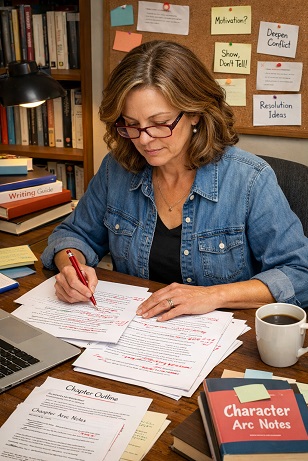
A developmental editor usually works in an office, at home, or anywhere with a good computer and plenty of books or reference materials. They spend a lot of time reading manuscripts, taking notes, and thinking about the overall story or message. The work involves reviewing large sections of text, highlighting areas that need improvement, and writing detailed feedback for the author. Some developmental editors work for publishing houses, while many work as freelancers and set up their own home offices. A quiet and organized space helps them focus on the big-picture editing that their job requires.
Developmental editors also spend a lot of time talking and collaborating with authors. They might have phone calls, video chats, or emails to discuss ideas, ask questions, or offer guidance on structure, plot, or clarity. Some projects also involve working with other editors, designers, or publishing teams to make sure the manuscript is heading in the right direction. Communication is a key part of the job because the goal is to help the author improve their work without taking over their voice.
The pace of work can vary depending on the project. Some manuscripts move quickly, while others take months of careful planning and revision. Developmental editors often juggle multiple projects, manage deadlines, and track feedback across several drafts. While the work can be challenging, it is also highly rewarding. Seeing a manuscript grow from a rough draft into a polished, engaging book or paper is one of the most satisfying parts of the job.
How to become a Developmental Editor
Many people enter the field of developmental editing through a mix of education, skill-building, and hands-on practice that builds over time.
- Earn a Relevant Degree: Students typically pursue a Bachelor's Degree in English, Writing, Journalism, or Mass Communication and Media Studies to learn core writing principles. This education gives a strong base for analyzing stories and arguments clearly.
- Build Reading Skills: Aspiring editors read widely across genres to identify strong and weak elements in books. Regular practice sharpens the eye for structure, flow, and pacing that the job requires.
- Take Editing Courses: Enroll in workshops or online classes focused on editing techniques through schools or professional organizations. These courses teach proven methods for giving useful, actionable feedback.
- Gain Practical Experience: Beginners seek internships at publishers, work with writers as beta readers, or assist in editorial projects. Real-world experience turns classroom knowledge into confident editing skills.
- Hone Key Skills: Practice clear communication and analysis by critiquing drafts, joining writing groups, or collaborating with authors. These abilities make working with clients smooth and effective.
- Start Freelance Work: Offer services on small projects through professional networks or freelance platforms to build a portfolio. Early projects establish reputation and generate client leads over time.
- Earn Certifications: Complete recognized editing programs to demonstrate expertise. Certifications increase trust from clients and can open doors to higher-level jobs (see below).
- Network in the Industry: Attend conferences, webinars, or local events and join associations such as the Editorial Freelancers Association. Connections provide referrals, mentorship, and guidance for long-term success.
Skills
1. Strong Story Structure Knowledge
- Understanding plot development, pacing, and story arcs
- Identifying structural weaknesses in manuscripts
- Knowledge of fiction and non-fiction frameworks
2. Advanced Writing & Editing Skills
- Excellent grammar and language command
- Ability to improve clarity, tone, and flow
- Suggesting rewrites and content restructuring
3. Analytical & Critical Thinking
- Spotting inconsistencies in plot or argument
- Evaluating character development and motivations
- Assessing logical flow in nonfiction content
4. Communication Skills
- Providing clear, constructive feedback
- Explaining complex revisions diplomatically
- Collaborating effectively with authors
5. Attention to Detail
- Identifying gaps in narrative or arguments
- Tracking continuity errors
- Ensuring consistency in theme and voice
6. Genre Knowledge
- Understanding genre expectations
- Awareness of current publishing trends
- Knowledge of target audience preferences
7. Technical & Digital Skills
- Proficiency in MS Word (Track Changes)
- Familiarity with Google Docs editing tools
- Basic knowledge of publishing platforms
8. Time Management
- Handling multiple manuscripts
- Meeting deadlines
- Organizing editing stages
9. Research Skills
- Verifying facts (for nonfiction)
- Understanding market positioning
10. Patience & Empathy
- Supporting writers through revisions
- Respecting the author’s voice
- Managing creative differences professionally
Salary
United States
- Entry-level: $40,000 – $50,000 per year
- Mid-level: $55,000 – $75,000 per year
- Senior/Experienced: $80,000 – $100,000+ per year
- Freelance rate: $0.03 – $0.10 per word (sometimes higher for specialized genres)
India
- Entry-level: ₹3 – ₹5 LPA
- Mid-level: ₹6 – ₹10 LPA
- Senior-level: ₹12 – ₹18+ LPA
- Freelance rate: ₹1.5 – ₹6 per word (varies by project complexity)
United Kingdom
- Entry-level: £22,000 – £30,000 per year
- Mid-level: £30,000 – £45,000 per year
- Senior-level: £50,000+ per year
Freelance Earnings Potential
Freelancers often earn more per project. For example:
- A 70,000-word novel at $0.05 per word = $3,500 per project
- Experienced editors working with publishers or bestselling authors can earn significantly more.







User's Comments
No comments there.