


Stories you may like
Geriatric Nurse
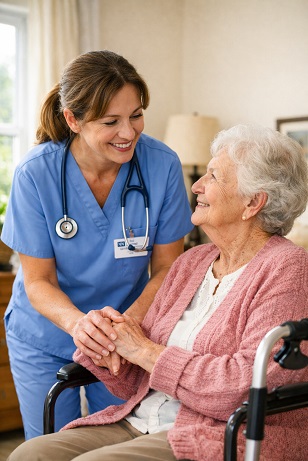
A geriatric nurse provides care to older adults. Geriatric nurses work in a variety of settings such as hospitals, nursing homes, and rehabilitation centers. They have advanced training and knowledge in caring for the unique needs of elderly patients, including managing chronic conditions such as diabetes, dementia, and arthritis. Geriatric nurses may also work with patients who have suffered from strokes or heart attacks and require specialized care to help them recover.
In addition to providing medical care, geriatric nurses may also offer emotional support to their patients and their families. They may help patients cope with the challenges of aging, including loneliness and depression. Geriatric nurses may also work with other healthcare professionals to develop care plans that address the unique needs of elderly patients, and they may coordinate care between different healthcare providers to ensure that patients receive the best possible care.
Geriatric nurses play a critical role in the healthcare system by providing specialized care to the elderly population. As the aging population continues to grow, the demand for geriatric nurses increases, as they are trained to address the unique healthcare needs of older adults.
Duties and Responsibilities
Some of the key duties and responsibilities of geriatric nurses are:
- Assessment and monitoring: Geriatric nurses assess their patients' physical, cognitive, and emotional status to determine their healthcare needs. They monitor vital signs, administer medication, and evaluate the effectiveness of treatment plans.
- Care planning and management: Geriatric nurses develop care plans that address their patients' specific healthcare needs. They manage chronic conditions, such as diabetes, hypertension, and dementia, and provide wound care, palliative care, and end-of-life care.
- Patient education: Geriatric nurses educate patients and their families about their healthcare conditions, medication management, and lifestyle modifications. They provide guidance on nutrition, exercise, and fall prevention, among other things.
- Communication and coordination: Geriatric nurses act as advocates for their patients, communicating with family members, caregivers, and other healthcare professionals to ensure that they receive appropriate care. They also coordinate care between different healthcare providers, such as physicians, physical therapists, and social workers.
- Geriatric mental health: Geriatric nurses may specialize in mental health care for older adults, addressing issues such as depression, anxiety, and dementia-related behaviors. They work with patients, families, and other healthcare providers to manage mental health issues effectively.
- Safety and quality of care: Geriatric nurses ensure the safety and quality of care for their patients by monitoring their environment, ensuring proper infection control, and preventing falls and other accidents.
- Research and advocacy: Geriatric nurses may participate in research studies to advance the knowledge and understanding of geriatric care. They also advocate for older adults' rights and access to healthcare services.
How to become a Geriatric Nurse
To become a geriatric nurse, you will need to follow these steps:
- Obtain a Nursing Degree: To become a geriatric nurse, you will need to start by earning an Associate or Bachelor's Degree in Nursing (ADN or BSN) from an accredited nursing program. These nursing programs typically take two to four years to complete and include both classroom and clinical training.
- Obtain a Nursing License: After completing your nursing degree, you will need to pass the National Council Licensure Examination (NCLEX) to become a licensed registered nurse (RN). The NCLEX is a standardized test that assesses your knowledge and skills in nursing. You will need to apply for licensure in the state where you wish to practice.
- Gain Nursing Experience: After obtaining your nursing license, it's recommended that you gain experience working as a nurse in a healthcare setting, such as a hospital or long-term care facility. This will help you develop your clinical skills and gain an understanding of the unique needs of older adults.
- Pursue Continuing Education: Continuing education is essential for nurses to keep up with advancements in the field of nursing. To specialize in geriatric nursing, you can attend workshops, seminars, and training programs in geriatric nursing. Some employers may offer tuition reimbursement or other incentives for continuing education.
- Obtain a Geriatric Nursing Certification: To demonstrate your proficiency in geriatric nursing, you can obtain certification from organizations such as the American Nurses Credentialing Center (ANCC) or the Gerontological Nursing Certification Commission (GNCC). These certifications typically require you to meet certain education and experience requirements and pass a certification exam.
- Consider Advanced Degrees: A Master's Degree or a Doctorate in Nursing can provide advanced knowledge and skills in geriatric nursing and open up more job opportunities, such as nursing leadership or research positions. These programs typically require additional coursework and clinical hours beyond a bachelor's degree.
Certifications
The following certifications can help geriatric nurses demonstrate their knowledge and expertise in working with older adults and provide opportunities for professional development and career advancement.
- Certified Gerontological Nurse (GN-BC): This certification is offered by the American Nurses Credentialing Center (ANCC) and is designed for registered nurses who specialize in geriatric nursing. To be eligible for this certification, candidates must have a current RN license and at least two years of experience working in geriatric nursing.
- Gerontological Nursing Certification (RN-BC): This certification is also offered by the ANCC and is designed for registered nurses who work with older adults in a variety of settings, including hospitals, nursing homes, and home care. To be eligible for this certification, candidates must have a current RN license and at least two years of experience working in gerontological nursing.
- Certified Hospice and Palliative Nurse (CHPN): This certification is offered by the Hospice and Palliative Credentialing Center (HPCC) and is designed for nurses who provide end-of-life care to patients and families. To be eligible for this certification, candidates must have a current RN license and at least two years of experience working in hospice and palliative care.
- Advanced Certified Hospice and Palliative Nurse (ACHPN): This certification is also offered by the HPCC and is designed for nurses who have advanced knowledge and expertise in hospice and palliative care. To be eligible for this certification, candidates must have a current RN license, at least two years of experience working in hospice and palliative care, and a graduate degree in nursing or a related field.
- Certified Dementia Practitioner (CDP): This certification is offered by the National Council of Certified Dementia Practitioners (NCCDP) and is designed for healthcare professionals who work with individuals with dementia. To be eligible for this certification, candidates must have a current license or certification in a healthcare field, at least two years of experience working with dementia patients, and completion of a CDP training program.
Associations
There are several professional associations for geriatric nurses. Membership in these professional associations can provide geriatric nurses with opportunities for professional development, continuing education, networking, and advocacy.
- Gerontological Advanced Practice Nurses Association (GAPNA): GAPNA is a professional organization for nurses who specialize in gerontological nursing. The organization provides educational resources, networking opportunities, and advocacy for its members.
- National Gerontological Nursing Association (NGNA): NGNA is a professional organization for nurses who work with older adults in a variety of settings. The organization provides educational resources, networking opportunities, and advocacy for its members.
- American Geriatrics Society (AGS): AGS is a professional organization for healthcare professionals who specialize in geriatrics. The organization provides educational resources, research opportunities, and advocacy for its members.
- National Association for Geriatric Education (NAGE): NAGE is a professional organization for healthcare professionals who specialize in geriatric education. The organization provides educational resources, networking opportunities, and advocacy for its members.
- National Council of Certified Dementia Practitioners (NCCDP): NCCDP is a professional organization for healthcare professionals who work with individuals with dementia. The organization provides educational resources, certification programs, and advocacy for its members.
Geriatric Nurse Skills
Some nursing skills are more relevant to specific specialties. The traits below are especially helpful when working in geriatrics.
Attention to Detail
Elderly people may have difficulty with caring for themselves due to memory loss and decreasing sense acuity, so it’s up to you to look out for them. Being aware of geriatric behavioral health changes is critical. So is recognizing small skin tears or a change in their routine early on — this can help prevent future complications.
Patience
The difficulties of aging impact both the elderly and their caregivers. You may have to repeat yourself to your patients, wait a while for them to complete simple tasks, deal with challenging behaviors, and more. Life moves at a slower pace for them, so be prepared to adapt to this change.
Conscientiousness
Your patients will be increasingly dependent on you to maintain their quality of life. Ensuring that you complete all your tasks as thoroughly as possible goes a long way. It’s essential that they can depend on you to care for their needs.
Therapeutic Communication
Imagine knowing that you’re slipping into dementia or losing your hearing. Sounds frustrating, right? This is the reality for many geriatric patients. Adjusting the way you communicate to adapt to your patients’ needs will make an impact on compliance and smooth interactions. It’s important that patients feel confident that they understand you and that their needs are heard.
Salary of a Geriatric Nurse
A Geriatric Nurse (also called a Gerontology Nurse) specializes in caring for elderly patients in hospitals, nursing homes, assisted living facilities, and home care settings.
Average Salary – Worldwide
- United States:
$65,000 – $95,000 per year
(Experienced nurses can earn $100,000+) - United Kingdom:
£28,000 – £45,000 per year - Canada:
CAD 60,000 – CAD 85,000 per year - Australia:
AUD 65,000 – AUD 95,000 per year
Salary of Geriatric Nurse in India
Since you're in India, here’s a detailed breakdown:
- Entry-Level: ₹2.2 – ₹3.5 lakh per year
- Mid-Level (3–7 years experience): ₹3.5 – ₹5.5 lakh per year
- Senior-Level: ₹6 – ₹8 lakh per year
- Private Hospitals (Top Cities): ₹25,000 – ₹60,000 per month
- Government Hospitals: Based on state pay scale (₹35,000 – ₹70,000/month approx.)
Abroad Opportunities for Indian Nurses
Geriatric nurses are in high demand in:
- Germany
- UK
- Canada
- Australia
- Middle East






User's Comments
No comments there.