


Stories you may like
Biomass Plant Technician
A biomass plant technician is responsible for the operation, maintenance, and troubleshooting of biomass power plants. Biomass power plants generate electricity by burning organic materials, such as wood chips, agricultural residues, or dedicated energy crops. These plants convert biomass into heat energy, which is then used to produce steam that drives a turbine connected to a generator.
The primary role of a biomass plant technician is to ensure the smooth and efficient operation of the biomass power plant. They monitor and control the plant's equipment and systems, including boilers, fuel storage and handling systems, turbines, and electrical systems. They perform regular inspections, maintenance tasks, and repairs to ensure that all equipment is functioning properly and within safety guidelines.
Duties and Responsibilities
The duties and responsibilities of biomass plant technicians include:
- Plant Operation and Monitoring: Biomass plant technicians operate and control the various equipment and systems within the biomass power plant. They closely monitor plant operations, including parameters such as fuel flow, combustion temperature, steam pressure, and electrical output. They adjust and optimize plant processes and equipment settings to ensure efficient and safe operation, as well as maximize energy generation.
- Maintenance and Repairs: These technicians perform routine maintenance tasks, inspections, and repairs on the plant's equipment. This includes boilers, conveyors, fans, pumps, and control systems. They conduct preventive maintenance activities such as cleaning, lubrication, and replacement of worn-out or damaged parts. Biomass plant technicians also troubleshoot and diagnose equipment malfunctions or abnormalities, identifying the root causes and implementing appropriate corrective measures. They collaborate with maintenance teams to plan and execute major equipment overhauls or repairs.
- Safety and Compliance: Biomass plant technicians adhere to safety protocols and guidelines to ensure a safe working environment for themselves and others. They conduct regular safety inspections, identifying potential hazards and taking appropriate actions to mitigate risks. These technicians also ensure compliance with environmental regulations by properly handling and disposing of biomass fuels, managing ash, and monitoring emissions. They maintain accurate records of maintenance activities, equipment inspections, and safety procedures to support regulatory compliance and plant audits.
- Fuel Management: Biomass plant technicians monitor and manage the supply and storage of biomass fuel, ensuring an adequate and consistent feedstock supply for plant operations. They coordinate with fuel suppliers, receiving and inspecting deliveries, and maintaining proper inventory levels. These technicians conduct periodic fuel quality testing and analysis to ensure compliance with plant specifications and optimize combustion efficiency.
- Emergency Response and Troubleshooting: In case of emergency situations such as equipment failures, system malfunctions, or safety incidents, biomass plant technicians respond promptly. They take immediate actions to minimize downtime and prevent further damages. These technicians are skilled in troubleshooting and diagnosing plant equipment and system issues using diagnostic tools, instrumentation, and their technical knowledge. They collaborate with maintenance and engineering teams to develop and implement solutions for recurring or complex operational problems.
- Documentation and Reporting: Accurate and up-to-date documentation is crucial for biomass plant technicians. They maintain records of plant operations, maintenance activities, and equipment performance. These technicians prepare reports on plant operations, equipment efficiency, maintenance activities, and safety incidents for management review. They also provide input and feedback on equipment performance, maintenance needs, and improvement opportunities to optimize plant operations.
Types of Biomass Plant Technicians
There are various types of biomass plant technicians, each specializing in different aspects of biomass power plants.
- Biomass Control Room Technician: Control room technicians are responsible for monitoring and controlling the biomass power plant's operations from a central control room. They operate the plant's control systems, monitor process parameters, and make adjustments to optimize plant performance. Control room technicians ensure that all equipment is functioning properly and within safety guidelines, and they respond to alarms and abnormal conditions by taking appropriate actions.
- Biomass Maintenance Technician: Maintenance technicians focus on the upkeep and repair of the biomass power plant's equipment and systems. They perform routine maintenance tasks, such as cleaning, lubrication, and replacement of components, to ensure optimal performance and reliability. Maintenance technicians also troubleshoot and diagnose equipment malfunctions, conduct repairs, and collaborate with other team members to plan and execute major maintenance projects.
- Biomass Boiler Technician: Boiler technicians specialize in the operation and maintenance of biomass boilers within the power plant. They are responsible for the safe and efficient combustion of biomass fuels, ensuring proper fuel delivery, combustion air supply, and ash removal. Boiler technicians perform regular inspections, monitor boiler performance, and make adjustments to optimize combustion efficiency. They also conduct maintenance activities on boilers, including cleaning, inspection of tubes, and replacement of worn-out components.
- Biomass Electrical Technician: Electrical technicians focus on the electrical systems and equipment within the biomass power plant. They install, maintain, and repair electrical components, such as generators, transformers, motors, and control panels. Electrical technicians perform troubleshooting and diagnostic procedures to identify electrical faults and ensure the proper functioning of the plant's electrical infrastructure. They also work closely with other technicians to ensure electrical safety and compliance with industry standards.
- Biomass Instrumentation and Control Technician: Instrumentation and control technicians are responsible for the calibration, installation, and maintenance of the plant's instrumentation and control systems. They ensure that sensors, gauges, and other measurement devices accurately monitor process variables, such as temperature, pressure, flow rate, and emissions. Instrumentation and control technicians troubleshoot and diagnose control system malfunctions, make adjustments to maintain system performance, and collaborate with other technicians to optimize plant operations.
- Biomass Ash Handling Technician: Ash handling technicians specialize in the proper management and disposal of ash generated during the combustion process in biomass power plants. They operate and maintain the ash handling systems, such as ash conveyors, storage silos, and ash disposal equipment. Ash handling technicians ensure that ash is collected, stored, and transported safely and efficiently, adhering to environmental regulations and plant requirements.
What is the workplace of a Biomass Plant Technician like?
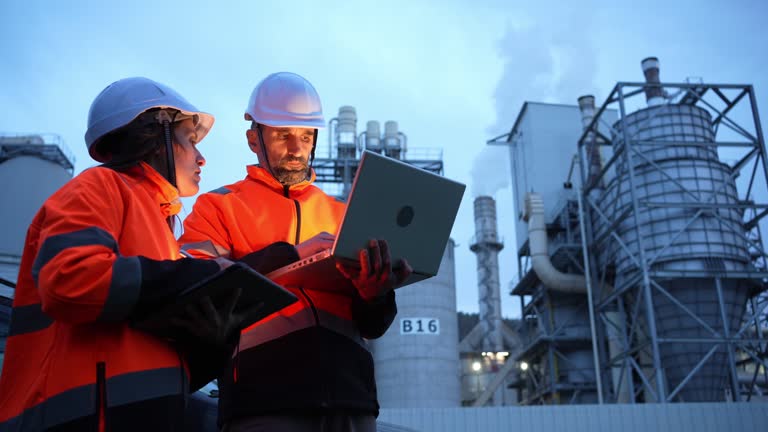
A biomass plant technician spends a significant amount of their working hours within the power plant facility itself. The plant is often a large industrial complex comprising various buildings and structures that house the equipment and systems necessary for biomass power generation. The technician's workplace may include control rooms, maintenance workshops, boiler rooms, electrical rooms, and storage areas.
In the control room, technicians monitor the plant's operations and make adjustments to maintain optimal performance. They work with computer systems and control panels to ensure smooth and efficient operation, constantly assessing process variables and responding to alarms or abnormalities. The control room provides a central hub for overseeing the plant's activities and coordinating with other technicians and operators.
Maintenance tasks often require technicians to be physically present at different areas of the power plant. They may work on boilers, generators, turbines, conveyors, and other equipment. Technicians may need to climb ladders, work at heights, or navigate confined spaces to access and inspect machinery. They use various tools, equipment, and diagnostic devices to perform maintenance, repairs, and troubleshooting tasks.
Biomass power plants can be noisy and potentially hazardous environments. Technicians are required to adhere to strict safety protocols and wear personal protective equipment (PPE) to mitigate risks. They may work around high voltage electrical systems, rotating machinery, pressurized systems, and combustible materials. The workplace is designed with safety measures in place, including safety barriers, emergency response systems, and proper ventilation.
Biomass plant technicians often work in shifts to ensure 24/7 coverage of plant operations. This means their workplace can be active at any time of the day or night. They may work alone or as part of a team, collaborating with other technicians, operators, and supervisors to maintain efficient plant operations and address any issues that arise.







User's Comments
No comments there.