


Stories you may like
Cake Designer
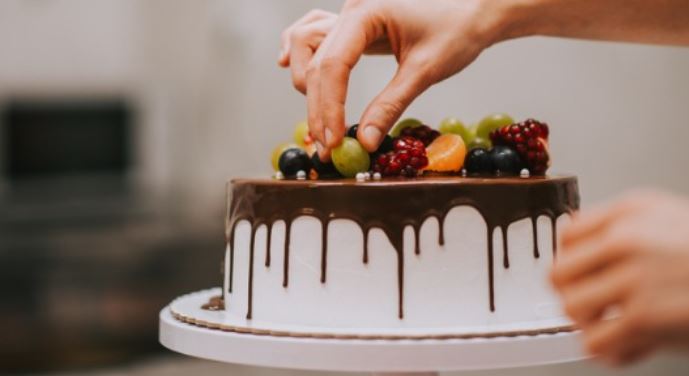
A cake designer specializes in creating custom-designed cakes for various occasions and events. These cakes are not only delicious but also visually stunning, often serving as the centerpiece of celebrations such as weddings, birthdays, anniversaries, and other special events.
Cake designers work closely with clients to understand their specific needs, preferences, and budget constraints. They collaborate with them to conceptualize the design, discussing elements such as flavors, colors, decorations, and any special requests or themes. Once the design is finalized, cake designers meticulously execute their vision, using a combination of baking, frosting, icing, and decorating techniques to create intricate and elaborate cakes that are both visually stunning and delicious.
Duties and Responsibilities
The duties and responsibilities of a cake designer encompass a variety of tasks related to the creation of custom-designed cakes for special occasions. Here are some typical duties:
- Consultation with Clients: Meet with clients to discuss their cake design preferences, including flavors, colors, themes, and budget considerations. Provide guidance and recommendations based on the client's vision and requirements.
- Design Development: Create sketches, mock-ups, or digital renderings of cake designs to present to clients for approval. Collaborate with clients to refine and finalize the design, ensuring it meets their expectations.
- Baking and Preparation: Prepare cake batter, fillings, and frostings according to recipes and client specifications. Bake cakes to perfection, ensuring they are moist, flavorful, and of the highest quality.
- Cake Decoration: Use various decorating techniques, such as piping, fondant work, sugar crafting, and edible painting, to decorate cakes with intricate designs, patterns, and motifs. Pay close attention to detail to achieve flawless execution.
- Assembly and Construction: Assemble and stack cake layers, fillings, and frostings to create multi-tiered cakes. Ensure structural stability and integrity, using dowels or supports as needed to prevent collapsing.
- Transportation and Delivery: Safely transport finished cakes to the event venue, taking precautions to prevent damage during transit. Set up cakes on-site, ensuring they are displayed prominently and securely.
- Client Communication: Maintain open communication with clients throughout the design and production process, providing updates, addressing any concerns or changes, and ensuring client satisfaction.
- Cleanliness and Sanitation: Adhere to strict cleanliness and sanitation standards in the kitchen, ensuring all equipment, tools, and work surfaces are properly sanitized and maintained.
- Inventory Management: Manage inventory of cake decorating supplies, ingredients, and tools, ensuring adequate stock levels and proper storage to minimize waste and ensure freshness.
- Continuous Learning: Stay informed about current trends, techniques, and innovations in cake design by attending workshops, seminars, and industry events. Continuously seek opportunities for professional development and skill enhancement.
Workplace of a Cake Designer
The workplace of a cake designer is typically a creative and bustling environment, often located within a dedicated cake studio, bakery, or pastry shop. Within this space, cake designers have access to a variety of tools, equipment, and ingredients necessary for creating their edible masterpieces. The atmosphere is usually vibrant and lively, with the aroma of freshly baked cakes and the sound of mixers in the background, creating an inspiring setting for creativity to flourish.
Cake designers often have their own workstation or kitchen area within the larger bakery or studio, equipped with everything they need to bring their cake designs to life. This includes work surfaces for rolling out fondant or buttercream, storage areas for cake layers and fillings, and a wide array of decorating tools such as piping bags, spatulas, and sculpting tools. Additionally, cake designers may have access to specialized equipment such as cake turntables, airbrush machines, and edible printers to help them achieve their desired designs.
Collaboration is often a key aspect of the cake designer's workplace, with designers working closely with clients to bring their visions to fruition. This may involve consultations with clients to discuss design concepts, tastings to sample cake flavors and fillings, and follow-up meetings to finalize details and make any necessary adjustments. In addition to client interactions, cake designers may also collaborate with other members of the bakery or studio team, such as pastry chefs, bakers, and decorators, to coordinate production schedules and ensure that orders are completed to the highest standards.
How to become a Cake Designer
Becoming a cake designer involves a combination of education, training, experience, and creativity. Here's a general guide on how to pursue this career path:
- Gain Basic Baking Skills: Start by gaining basic baking skills through self-study, online courses, or introductory baking classes. Familiarize yourself with baking techniques, recipes, and equipment used in cake making.
- Enroll in Culinary School or Pastry Arts Program: Consider enrolling in a culinary arts school or baking and pastry arts program that offers specialized training in cake decorating and design. Look for programs that cover topics such as cake baking, frosting, fondant work, sugar crafting, and cake design principles.
- Practice Cake Decorating Techniques: Practice cake decorating techniques on your own or by attending workshops, classes, or tutorials offered by professional cake decorators or pastry chefs. Experiment with different frosting textures, piping designs, fondant decorations, and sculpting techniques to develop your skills and style.
- Build a Portfolio: Create a portfolio showcasing your cake designs and decorating skills. Include high-quality photos of cakes you have decorated, along with descriptions of the design concepts, techniques used, and client feedback. Your portfolio will serve as a visual representation of your abilities and creativity when seeking employment or attracting clients.
- Gain Work Experience: Gain practical experience working in a bakery, pastry shop, or cake studio to further develop your skills and knowledge. Start from entry-level positions such as bakery assistant or cake decorator assistant and gradually work your way up to more advanced roles as your skills and experience grow.
- Seek Mentorship: Find a mentor or experienced cake decorator who can provide guidance, feedback, and support as you develop your career as a cake designer. Learn from their experience, ask questions, and seek opportunities to shadow them and observe their techniques in action.
- Market Yourself: Create a professional brand for yourself as a cake designer and market your services to potential clients. Develop a website or social media presence to showcase your portfolio, share photos of your cake designs, and attract inquiries and orders from clients.
- Obtain Necessary Licenses or Permits: Depending on your location and the scale of your cake business, you may need to obtain necessary licenses or permits to operate legally. Research local regulations and requirements for starting a cake decorating business and ensure compliance with health and safety standards.
Cake Designer Salary in India
- Beginner (0–2 years): ₹10,000 – ₹20,000 per month
- Average: about ₹39,000 per month
- Experienced / skilled designers: ₹50,000 – ₹1,00,000+ per month
- Freelancers / home bakers: Can earn ₹1 lakh+ monthly (depends on orders & branding)
Outside India (for comparison)
- Average salary: about $42,000/year (₹35 lakh approx.)
- Highly experienced designers can earn more in premium markets.
Creative & Artistic Skills
- Design sense – Ability to create visually appealing cakes (themes, colors, shapes)
- Sketching & planning – Drawing cake ideas before making them
- Fondant & icing decoration – Sculpting figures, flowers, and patterns
- Color combination – Matching shades for attractive presentation
- Trend awareness – Knowing popular styles (wedding cakes, minimalist cakes, cartoon cakes)
Skills
Baking & Technical Skills
- Baking basics – Making different types of cakes (sponge, chocolate, red velvet, etc.)
- Recipe knowledge – Understanding ingredients and measurements
- Temperature & timing control – Proper baking techniques
- Cake structuring – Stacking tiers, making stable multi-layer cakes
- Food safety & hygiene – Clean and safe preparation practices
Decoration Techniques
- Piping (buttercream designs)
- Fondant modeling
- Sugar flowers
- Airbrushing
- Chocolate work
Creativity & Innovation
- Creating customized cakes based on customer ideas
- Thinking of unique themes and concepts
- Problem-solving when designs don’t go as planned
Communication Skills
- Understanding customer requirements
- Explaining design ideas clearly
- Handling feedback and revisions
Business & Management Skills
- Pricing cakes properly
- Time management (meeting deadlines)
- Marketing (Instagram, online orders)
- Customer service







User's Comments
No comments there.