


Stories you may like
Emergency Medicine Physician
An emergency medicine physician is a medical doctor who specializes in the diagnosis, treatment, and management of acute and life-threatening medical conditions that require immediate intervention. These physicians work in hospital emergency departments, urgent care centers, and other acute care settings, where they provide rapid assessment, stabilization, and treatment to patients of all ages with a wide range of medical emergencies.
Emergency medicine physicians are trained to handle diverse medical emergencies, including trauma, cardiac emergencies, respiratory distress, severe infections, neurological emergencies, and obstetric emergencies, among others. They play a vital role in the frontline management of medical emergencies, ensuring that patients receive prompt and appropriate care to improve outcomes and save lives.
Duties and Responsibilities
Emergency medicine physicians have a wide range of duties and responsibilities aimed at providing timely and effective medical care to patients presenting with acute and life-threatening conditions. Some of their key duties and responsibilities include:
- Medical Assessment and Diagnosis: Emergency medicine physicians are responsible for conducting rapid and thorough medical assessments of patients presenting to the emergency department. They gather patient histories, perform physical examinations, order diagnostic tests (such as blood work, imaging studies, and electrocardiograms), and make timely diagnoses of acute medical conditions. They must accurately triage patients based on the severity of their conditions and prioritize treatment accordingly.
- Emergency Treatment and Stabilization: Emergency medicine physicians are trained to provide immediate medical intervention and stabilization to patients experiencing critical or life-threatening emergencies. They administer medications, perform emergency procedures (such as airway management, cardiopulmonary resuscitation, and wound care), and initiate treatment protocols to stabilize patients' conditions and prevent further deterioration. They must be adept at managing a wide range of medical emergencies, including trauma, cardiac arrest, stroke, respiratory distress, and severe infections.
- Coordination of Care: Emergency medicine physicians coordinate patient care in collaboration with other healthcare providers, including nurses, paramedics, specialists, and support staff. They communicate with consulting physicians and specialists to arrange timely consultations, referrals, or transfers for patients requiring specialized care or admission to higher levels of care. They ensure that patients receive appropriate follow-up care and discharge instructions before leaving the emergency department.
- Medical Documentation and Record-Keeping: Emergency medicine physicians are responsible for documenting patient encounters, medical assessments, treatment interventions, and clinical decisions in electronic medical records (EMRs) or patient charts. They maintain accurate and comprehensive medical records to facilitate continuity of care, ensure patient safety, and comply with regulatory requirements and documentation standards.
- Professional Development and Education: Emergency medicine physicians engage in ongoing professional development activities to stay current with advances in emergency medicine practice, treatment guidelines, and clinical research. They participate in continuing medical education (CME) programs, attend conferences, and contribute to medical education and training of medical students, residents, and fellow physicians. They may also pursue board certification in emergency medicine through the American Board of Emergency Medicine (ABEM) to demonstrate their expertise and proficiency in the specialty.
Types of Emergency Medicine Physicians
Within the field of emergency medicine, physicians may pursue various areas of specialization or develop expertise in specific practice settings. Some common types of emergency medicine physicians include:
- Disaster Medicine Specialist: Disaster medicine specialists focus on the medical management and response to mass casualty incidents, natural disasters, and public health emergencies. They may work in emergency departments, disaster response agencies, or public health organizations, where they develop disaster preparedness plans, coordinate emergency response efforts, and provide medical care in disaster settings.
- Emergency Medical Services (EMS) Physician: EMS physicians provide medical oversight and direction to prehospital emergency medical services providers, including paramedics, emergency medical technicians (EMTs), and ambulance crews. They may work in emergency departments, EMS agencies, or as medical directors for ambulance services, where they develop protocols, oversee training programs, and ensure quality and safety in prehospital care.
- Emergency Ultrasound Director: Emergency ultrasound directors are emergency medicine physicians with specialized training and expertise in point-of-care ultrasound (POCUS). They oversee the integration and utilization of ultrasound technology in the emergency department, train emergency medicine residents and staff in ultrasound techniques, and interpret ultrasound findings to aid in the diagnosis and management of acute medical conditions.
- Hyperbaric Medicine Specialist: Hyperbaric medicine specialists are emergency medicine physicians or specialists from other fields who have additional training in hyperbaric oxygen therapy (HBOT). They work in hyperbaric chambers and wound care centers, where they administer HBOT to patients with conditions such as decompression sickness, carbon monoxide poisoning, diabetic foot ulcers, and non-healing wounds.
- Pediatric Emergency Physician: Pediatric emergency physicians specialize in the care of infants, children, and adolescents with acute medical conditions or injuries. They work in pediatric emergency departments or general emergency departments with pediatric expertise, where they provide specialized medical care tailored to the unique needs of pediatric patients, including neonates and infants.
- Toxicologist: Toxicologists specialize in the diagnosis and treatment of poisonings and toxic exposures. They work in emergency departments, poison control centers, and specialized toxicology clinics, where they assess patients with suspected poisonings, overdose, or toxic ingestions and provide medical management, antidotes, and supportive care.
- Trauma Surgeon: Trauma surgeons are board-certified surgeons with additional training in the management of traumatic injuries. They work in trauma centers and emergency departments, where they provide immediate surgical intervention and critical care to patients with severe injuries, such as those resulting from motor vehicle accidents, falls, gunshot wounds, and other traumatic events.
What is the workplace of an Emergency Medicine Physician like?
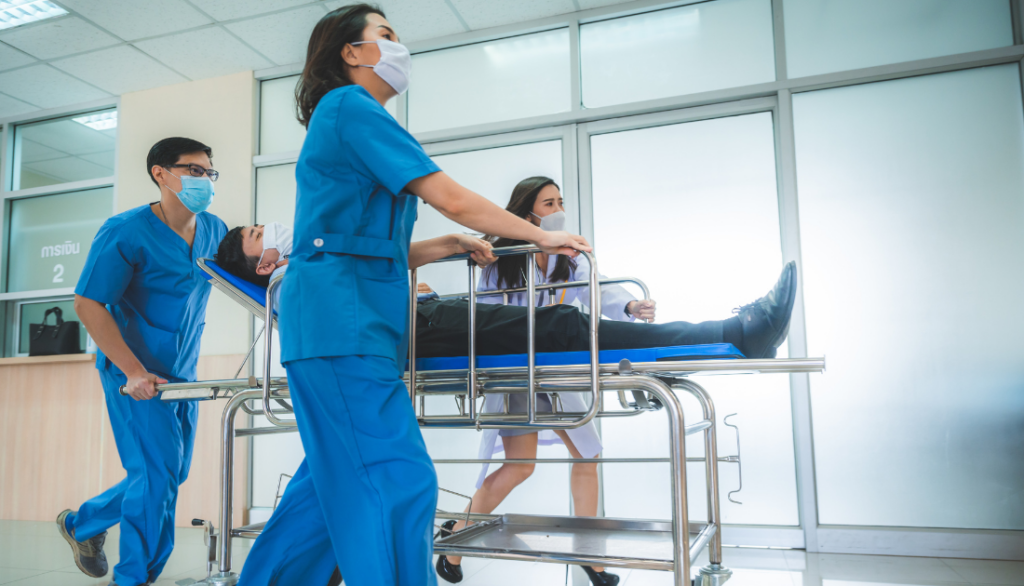
Emergency medicine physicians work in fast-paced and unpredictable environments, such as emergency departments in hospitals, urgent care centers, and ambulatory care facilities. The workplace of an emergency medicine physician is characterized by a constant sense of urgency, where they must respond quickly to various medical emergencies that may arise at any time. The work schedule for an emergency medicine physician can be demanding and irregular, with long shifts that may include overnight and weekend work.
The workplace of an emergency medicine physician is highly team-oriented, as they work closely with other healthcare professionals, including nurses, paramedics, and support staff. This collaboration is essential for providing efficient and effective care to patients, especially in critical situations. Emergency medicine physicians must have excellent communication and leadership skills to ensure that all team members are on the same page and that patient care is coordinated and delivered seamlessly.
In addition to providing immediate medical care, emergency medicine physicians also play an important role in preventing and managing the spread of infectious diseases. They are trained to identify and respond to outbreaks and epidemics, as well as to develop strategies to prevent the spread of infections within their facilities. This requires a keen understanding of public health and epidemiology, as well as the ability to work closely with local health departments and other community partners.








User's Comments
No comments there.