


Stories you may like
14 Key Advantages and Disadvantages of AI in Recruitment
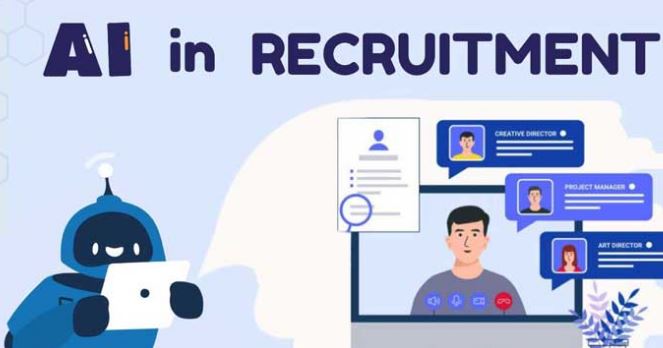
Recruitment is a critical function for any organization, shaping the workforce and ultimately influencing business success. With the rise of artificial intelligence (AI), recruitment processes are undergoing a significant transformation. AI-powered tools are being adopted to streamline hiring, improve candidate matching, and reduce biases. However, like any technology, AI in recruitment comes with both benefits and challenges. Understanding these advantages and disadvantages is essential for organizations considering integrating AI into their recruitment strategies.
What is AI in Recruitment?
AI in recruitment refers to the use of artificial intelligence technologies to enhance and automate various stages of the hiring process. This includes screening resumes, scheduling interviews, assessing candidate fit, and even conducting initial interviews through chatbots. AI systems analyze large volumes of data quickly and can identify patterns that human recruiters might miss. These technologies leverage machine learning, natural language processing, and predictive analytics to improve decision-making and efficiency in recruitment.
By automating repetitive tasks and providing data-driven insights, AI aims to make recruitment faster, fairer, and more effective. However, the integration of AI also raises questions about accuracy, ethics, and the human element in hiring.
Advantages of AI in Recruitment
1. Faster Screening and Shortlisting
One of the most significant advantages of AI in recruitment is its ability to quickly screen and shortlist candidates. Traditional resume screening can be time-consuming and prone to human error or bias. AI-powered systems can analyze thousands of resumes in a fraction of the time, identifying candidates who meet the specific criteria set by the recruiter. This accelerates the hiring process and allows recruiters to focus on engaging with the most suitable candidates.
2. Improved Candidate Matching
AI tools use sophisticated algorithms to match candidates’ skills, experience, and qualifications with job requirements. These systems can analyze not only explicit data but also subtle indicators such as language use and career trajectory. This leads to more accurate and relevant matches, improving the quality of hires and reducing turnover.
3. Reduction of Human Bias
Bias in recruitment is a well-documented issue that can affect diversity and fairness. AI has the potential to reduce unconscious bias by focusing on objective data rather than subjective impressions. By standardizing evaluations and removing demographic information from initial screenings, AI can help create a more equitable hiring process.
4. Enhanced Candidate Experience
AI-driven chatbots and automated communication tools can keep candidates informed and engaged throughout the recruitment process. Prompt responses to queries and timely updates improve the candidate experience, making the organization more attractive to top talent.
5. Cost Efficiency
Automating routine recruitment tasks reduces the need for extensive human resources dedicated to screening and scheduling. This lowers recruitment costs and allows HR teams to allocate their time to strategic activities such as employer branding and candidate relationship management.
6. Data-Driven Insights
AI systems collect and analyze vast amounts of recruitment data, providing valuable insights into hiring patterns, candidate behavior, and process bottlenecks. These analytics enable organizations to refine their recruitment strategies and make better-informed decisions.
7. Scalability
For organizations experiencing rapid growth or seasonal hiring spikes, AI offers scalability. The technology can handle large volumes of applications without compromising speed or quality, making it ideal for high-volume recruitment needs.
Disadvantages of AI in Recruitment
1. Risk of Algorithmic Bias
While AI can reduce human bias, it is not immune to bias itself. Algorithms are trained on historical data, which may reflect existing prejudices. If these biases are not identified and corrected, AI can perpetuate or even amplify discriminatory hiring practices.
2. Lack of Human Judgment
Recruitment involves assessing intangible qualities such as cultural fit, motivation, and interpersonal skills. AI systems, focused on data and patterns, may overlook these nuances. Over-reliance on AI can lead to candidates being unfairly excluded based on rigid criteria.
3. Privacy Concerns
The use of AI in recruitment involves processing large amounts of personal data, raising concerns about data security and candidate privacy. Organizations must ensure compliance with data protection regulations and maintain transparency about how candidate information is used.
4. High Implementation Costs
Although AI can reduce operational costs in the long run, the initial investment in AI recruitment technologies can be substantial. Small and medium-sized enterprises may find these costs prohibitive, limiting access to AI benefits.
5. Technical Challenges and Errors
AI systems are not infallible. Errors in data input, algorithm design, or system integration can lead to incorrect candidate evaluations. Additionally, technical glitches can disrupt the recruitment process, causing delays or negative candidate experiences.
6. Resistance to Change
Introducing AI into recruitment requires changes in workflows and mindsets. Some HR professionals and hiring managers may resist adopting AI tools due to fear of job displacement or skepticism about technology’s effectiveness.
7. Overemphasis on Automation
Excessive reliance on AI can depersonalize recruitment, making candidates feel like they are interacting with machines rather than humans. This can harm employer branding and reduce candidate engagement.
The Future of AI in Recruitment
The future of AI in recruitment looks promising but complex. Advances in AI technology, such as improved natural language understanding and emotional intelligence, will enhance the ability to assess candidates more holistically. Hybrid models combining AI efficiency with human empathy are likely to become the norm. Regulators and industry leaders will also focus on developing ethical AI frameworks to prevent bias and protect privacy.
As AI tools become more accessible and affordable, even smaller organizations will benefit from automation and data-driven recruitment practices. However, the human element will remain crucial in making final hiring decisions, ensuring that technology serves as a support rather than a replacement.








User's Comments
No comments there.