

Stories you may like
Anti-aging skincare specialist
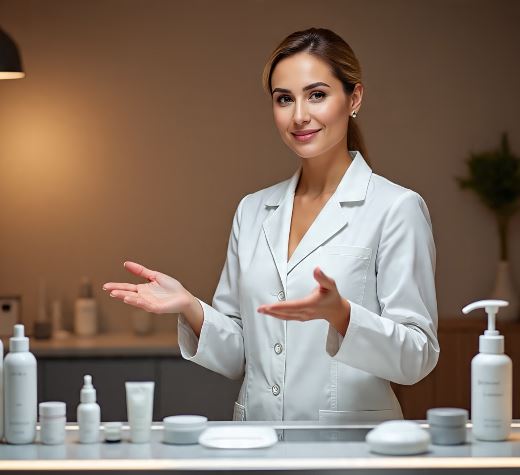
Anti-aging skincare specialists are experts in skincare treatments and techniques designed to reduce the signs of aging. Applying their understanding of the aging process and skin biology, these practitioners address specific aging concerns, such as wrinkles, fine lines, and loss of skin elasticity. They help clients maintain and enhance the health and appearance of their skin as they age, often increasing their confidence and self-esteem.
Duties and Responsibilities
Anti-aging skincare specialists perform a range of tasks aimed at promoting healthy, youthful skin:
- Skin Analysis – Assess the condition of clients' skin to determine their specific aging concerns and skin type.
- Personalized Treatment Plans – Develop customized skincare regimens that may include in-office treatments and at-home skincare routines tailored to the client's needs.
- Professional Treatments – Perform advanced skincare treatments such as chemical peels, microdermabrasion, laser therapy, microneedling, radiofrequency, and ultrasound therapy to stimulate collagen production and improve skin texture and elasticity.
- Product Recommendations – Suggest professional-grade skincare products, such as serums, creams, and sunscreens, that target aging concerns and suit the client's skin type.
- Preventative Care – Educate clients on preventive measures to protect their skin from further aging, including sun protection, a healthy diet, and avoiding harmful habits like smoking. Provide guidance on proper skincare routines and techniques for maintaining youthful skin.
- Monitoring Progress – Regularly assess the effectiveness of the treatments and products, making adjustments as necessary to ensure optimal results.
- Continuous Learning – Stay updated with the latest skincare research, products, and techniques to offer the most effective and up-to-date treatments.
Types of Anti-Aging Skincare Specialists
Now that we have a sense of the scope of the anti-aging skincare specialist’s work, let’s look at some different types of these specialists, each with a unique focus and expertise in various aspects of skincare and anti-aging treatments:
- Estheticians – These skincare professionals specialize in non-medical treatments like facials, chemical peels, microdermabrasion, and other spa-based services. They focus on improving skin texture, tone, and overall appearance.
- Holistic Estheticians – These practitioners combine traditional skincare techniques with holistic approaches, focusing on natural and organic products, diet, lifestyle changes, and alternative therapies to promote anti-aging.
- Dermatologists – These medical doctors specialize in skin health, including diagnosing and treating skin diseases, performing medical procedures, and providing advanced anti-aging treatments like Botox, fillers, laser therapy, and PRP (Platelet-Rich Plasma) injections.
- Plastic Surgeons – These surgeons specialize in cosmetic and reconstructive procedures, including surgical options for anti-aging such as facelifts, eyelid surgery, and other invasive procedures to restore a youthful appearance.
- Nurse Practitioners and Physician Assistants – These healthcare professionals perform various medical esthetic procedures under the supervision of a physician, including injectables, laser treatments, and other advanced skincare therapies.
- Cosmetic Chemists – These scientists develop and formulate anti-aging skincare products, ensuring their safety and effectiveness. They work in laboratories creating creams, serums, and other topical solutions designed to combat aging.
What is the workplace of an Anti-Aging Skincare Specialist like?
Anti-aging skincare specialists can work in a variety of settings. These are among their most common employers:
- Medical Spas – In these facilities, which combine spa treatments with medical procedures, anti-aging estheticians may work alongside dermatologists or plastic surgeons to provide a range of anti-aging treatments.
- Dermatology Clinics – These clinics offer both non-invasive and advanced skincare treatments, and may hire estheticians or cosmetologists to work under the supervision of dermatologists.
- Plastic Surgery Centers – These centers, focusing on cosmetic and reconstructive procedures, may hire specialists to assist with pre- and post-operative skincare or provide non-surgical anti-aging treatments.
- Cosmetic Surgery Clinics – These clinics offer cosmetic enhancements, where specialists provide skincare treatments to complement surgical procedures or for non-invasive rejuvenation.
- Beauty Salons and Spas – High-end salons or spas that offer specialized skincare treatments as part of their services may employ anti-aging estheticians or cosmetologists to provide facials, peels, and other anti-aging services.
- Skincare and Wellness Centers – Facilities dedicated to overall skin health and wellness may hire skincare specialists to provide both preventive and restorative skincare treatments.
- Retail and Cosmetic Brands – Anti-aging skincare specialists might work in product development, marketing, or as consultants for these companies, which produce or sell anti-aging skincare products.
- Holistic Health Centers – Specialists in holistic anti-aging approaches may work in these settings, which offer a range of alternative health and wellness treatments.
- Medical Research Institutions – Organizations involved in researching new anti-aging treatments and skincare technologies may hire specialists to help conduct clinical trials or research studies.
- Freelance or Independent Practice – Some anti-aging skincare specialists may operate their own practices or offer services independently, either through home-based setups or mobile skincare services.
The workplace of an anti-aging skincare specialist can vary depending on their specific role and employment setting:
- Clinical Setting – In medical spas, dermatology clinics, or plastic surgery centers, the environment is often clinical and professional. These workplaces are equipped with advanced medical and esthetic equipment such as lasers, microneedling devices, and chemical peel supplies. The setting is clean and well-organized, with a focus on hygiene and patient safety.
- Spa or Salon Environment – In beauty salons or high-end spas, the atmosphere is typically more relaxed and luxurious. These workplaces often feature comfortable treatment rooms, soothing decor, and a focus on creating a pampering experience for clients. Equipment and products used are geared towards non-medical skincare treatments.
- Retail and Cosmetic Brand Offices – Specialists working with skincare product brands may be in office environments with a focus on product development and marketing. These workplaces are often more corporate, with areas for meetings, research, and collaboration.
- Holistic Health Centers – In holistic or wellness centers, the environment is often designed to reflect natural and alternative health practices. The setting might include calming elements, natural materials, and a focus on overall wellness alongside anti-aging treatments.
- Research Institutions – Specialists involved in research may work in lab settings with a focus on testing and developing new skincare technologies. This environment is typically more scientific and technical, with equipment and procedures dedicated to research.
- Independent Practice or Mobile Services – For those running their own practices or offering mobile services, the workplace can be highly flexible. Independent practitioners might have a dedicated office or treatment room in their home or rent space in a shared facility. Mobile service providers operate in clients' homes or other locations, requiring portable equipment and a high level of adaptability.
Overall, the workplace of the anti-aging skincare specialist is designed to facilitate the delivery of effective skincare treatments in a comfortable and professional environment.
How to become an Anti-Aging Skincare Specialist
Becoming an anti-aging skincare specialist involves a combination of formal education, training, and obtaining the necessary certifications or licenses. Here’s a comprehensive guide on how to pursue this career:
High School Diploma or Equivalent
Most skincare programs require a high school diploma or GED as a prerequisite for enrollment.
Accredited Training Program
Enroll in an esthetics and skincare or cosmetology program accredited by a recognized body, such as the National Accrediting Commission of Career Arts and Sciences (NACCAS) or state cosmetology boards in the United States, or a similar accrediting organization in your country. These programs are offered by cosmetology schools, vocational schools, or community colleges. The number of required training hours can vary, but generally ranges from 600 to 1,500 hours. Accredited programs meet requirements for licensing and typically take six to 12 months to complete, depending on whether you attend full-time or part-time.
Seek out a curriculum with a strong anti-aging component and consisting of both classroom instruction and hands-on training in the following areas:
- Skin anatomy and physiology
- Skin conditions and disorders
- Facials and facial massage techniques
- Hair removal techniques (waxing, threading, etc.)
- Makeup application
- Use of skincare products and equipment
- Sanitation and safety procedures
- Business and client management skills
Licensing Examination
Upon completion of an accredited training program, you must pass a state or national licensing exam. The exam typically includes:
- A written test covering theoretical knowledge of skin health and skincare, including anti-aging treatments
- A practical skills assessment where you demonstrate your ability to perform various esthetic procedures safely and effectively
Internship or Apprenticeship (Optional but Beneficial)
Gaining practical experience through internships or apprenticeships with dermatology clinics, medical spas, salons, or skincare centers can be highly beneficial. This practical component allows you to apply what you've learned in a real-world setting under the supervision of established professionals.
Continuing Education
The skincare industry constantly evolves, with new techniques, products, and technologies emerging regularly. Attend workshops, seminars, and continuing education courses to stay current with industry standards, trends, research, and advancements.
Some states or countries require estheticians, including anti-aging skincare specialists, to complete continuing education courses to renew and maintain their licenses.
Certifications
Here are some voluntary certifications that anti-aging skincare specialists may pursue to enhance their skills, credibility, and marketability in the skincare sector:
Chemical Peel Certification
- Certification Provider – Associated Skin Care Professionals (ASCP)
- Best For – Licensed Estheticians, Medical Estheticians, Spa Professionals, Cosmetologists with skincare focus, Dermatology Assistants, Skincare Specialists
- Description – The Chemical Peel Certification is a specialized program designed for estheticians seeking to enhance their expertise in chemical exfoliation treatments. This certification focuses on the safe application, potential risks, and post-treatment care of chemical peels. It covers various peel types, their ingredients, and the appropriate selection for different skin conditions. By completing this certification, professionals demonstrate their commitment to safety and efficacy in providing advanced skin care services.
Microdermabrasion Certification
- Certification Provider – The International Dermal Institute
- Best For – Estheticians, Medical Estheticians, Licensed Skincare Specialists, Cosmetologists with a focus on skincare, Spa and Salon Professionals, Dermatology Assistants
- Description – The Microdermabrasion Certification is a specialized program designed for skincare professionals seeking to enhance their expertise in advanced exfoliation techniques. This certification focuses on the safe and effective use of microdermabrasion equipment, skin assessment, and the customization of treatment protocols. Graduates of this program will be equipped with the knowledge and practical skills necessary to perform microdermabrasion services, ensuring improved skin texture and clarity for clients, while adhering to high standards of safety and hygiene.
Certified Laser Technician
- Certification Provider – National Laser Institute
- Best For – Estheticians, Medical Spa Technicians, Dermatology Assistants, Plastic Surgery Nurses, Cosmetic Laser Practitioner, Skincare Specialists
- Description – The Certified Laser Technician certification, equips individuals with the necessary skills and knowledge to safely operate medical lasers and intense pulsed light (IPL) devices. This program focuses on laser physics, safety protocols, and hands-on practice, preparing participants for a role in medical spas, dermatology offices, and plastic surgery clinics. The certification emphasizes a comprehensive understanding of skin types, hair removal, photofacials, and laser safety, ensuring technicians are proficient in both the technical and practical aspects of laser treatments.
Certified Esthetician
- Certification Provider – National Coalition of Estheticians Association (NCEA)
- Best For – Licensed Estheticians, Medical Estheticians, Spa Managers, Skincare Specialists, Cosmetic Laser Technicians, Esthetician Instructors
- Description – The Certified Esthetician credential represents a gold standard in the field of esthetics. This certification demonstrates an individual's commitment to the highest standards of practice, encompassing advanced knowledge and proficiency in skin care. Candidates undergo rigorous training and assessment, ensuring they are well-versed in various esthetic procedures, safety protocols, and client care. Achieving this certification signifies a dedication to professional development and excellence in the esthetic industry.
Master Esthetician License
- Certification Provider – State Board of Cosmetology (varies by state)
- Best For – Licensed Estheticians, Medical Estheticians, Spa Managers, Skin Care Specialists, Esthetician Instructors, Cosmetic Laser Technicians
- Description – The Master Esthetician License represents an advanced level of expertise in skin care beyond the basic esthetician license. This certification typically requires additional education and practical experience, focusing on specialized techniques such as chemical peels, laser treatments, and lymphatic drainage. Candidates must pass a rigorous examination to demonstrate their proficiency in advanced esthetic practices, safety protocols, and state regulations. This credential is essential for professionals seeking to elevate their career in the esthetics industry and provide high-level services.
Medical Esthetician Certification
- Certification Provider – National Institute of Medical Aesthetics (NIMA)
- Best For – Estheticians, Medical Spa Professionals, Dermatology Assistants, Cosmetic Surgery Assistants, Licensed Cosmetologists seeking medical specialization, Skincare Consultants with esthetic experience
- Description – The Medical Esthetician Certification is a specialized program designed for those seeking advanced knowledge in the field of medical esthetics. This certification focuses on comprehensive skincare, advanced facial treatments, and pre- and post-operative skin care. It also covers the use of medical-grade equipment and products. Graduates are equipped with the skills necessary to work alongside healthcare professionals in medical spas, dermatology offices, and plastic surgery clinics, enhancing patient care and esthetic results.
Certified Microneedling Specialist
This certification focuses on microneedling techniques, the use of thin needles to make tiny holes in the top layer of the skin to stimulate collagen production and improve skin texture.
Certification in Injectable Therapies
For those administering injectables like Botox and dermal fillers, certifications are available from various organizations and manufacturers. These certifications cover the techniques, safety protocols, and best practices for injectables.
Product-Specific Certifications
Some skincare product lines offer certifications for anti-aging specialists who specialize in using their products. These certifications typically involve training on product ingredients, usage guidelines, and advanced treatment protocols.
Professional Organizations
There are several professional organizations relevant to anti-aging skincare specialists:
- Society of Dermatology SkinCare Specialists (SDSS) – SDSS offers certification, educational resources, and networking opportunities for skincare professionals, including those specializing in anti-aging treatments.
- American Academy of Dermatology (AAD) / American Society for Dermatologic Surgeons (ASDS) – While primarily for dermatologists and dermatologic surgeons, the AAD and ASDS offer resources, education, and conferences that may be beneficial for anti-aging skincare specialists working closely with these doctors.
- American Society for Aesthetic Plastic Surgery (ASAPS) – ASAPS focuses on esthetic plastic surgery and cosmetic procedures, including anti-aging treatments. It offers resources and educational opportunities for professionals in the field.
- International Society of Aesthetic Plastic Surgery (ISAPS) – ISAPS is an international organization that provides a platform for esthetic plastic surgeons and specialists to share knowledge and advancements in cosmetic and anti-aging procedures.
- International Association for Physicians in Aesthetic Medicine (IAPAM) – IAPAM offers training and education in esthetic medicine, including skincare and anti-aging treatments.
- American Academy of Cosmetic Surgery (AACS) – AACS focuses on cosmetic surgery and non-surgical cosmetic treatments, including those related to anti-aging. It provides training and certification for specialists in these areas.
- International Association for Applied Corneotherapy (IAC) – The IAC focuses on advanced skin health and therapeutic practices. It offers education and certification in corneotherapy, a holistic approach to skincare focusing on restoring and maintaining the skin barrier function.
- American Med Spa Association (AmSpa) – AmSpa provides legal, business, and clinical training resources to build legally compliant, profitable, and safe medical esthetic practices.
- Associated Skin Care Professionals (ASCP) – ASCP is one of the largest professional associations for estheticians in the United States. It offers liability insurance, continuing education opportunities, business resources, and advocacy for the esthetics and skincare profession.
- National Coalition of Estheticians, Manufacturers / Distributors and Associations (NCEA) – The NCEA offers advanced certification programs and advocates for high standards of practice in esthetics.
- International SPA Association (ISPA) – ISPA represents spa professionals worldwide, including anti-aging skincare specialists. It provides industry research, networking events, education, and advocacy for the spa and wellness industry.
- Day Spa Association (DSA) – DSA focuses on supporting professionals in the day spa industry. It offers educational resources, business tools, networking opportunities, and industry news.
- Esthetician Connection – This online community and resource hub offers forums, educational webinars, product reviews, and networking opportunities for estheticians to connect and learn from one another.
- American Association of Cosmetology Schools (AACS) – AACS represents cosmetology and esthetician schools, providing resources, advocacy, and networking opportunities for educators and professionals in the beauty industry.









User's Comments
No comments there.