


Stories you may like
Can AI Fully Replace SEO Experts? An Objective Analysis
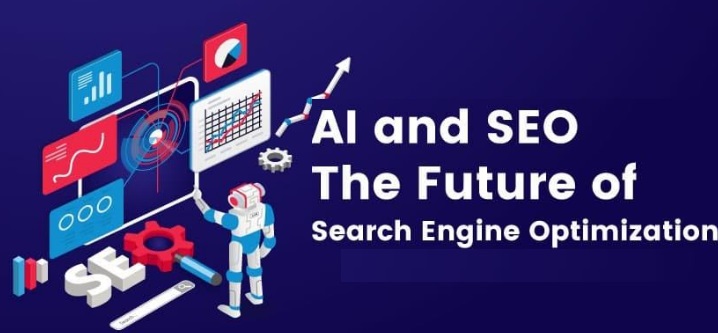
In the rapidly evolving landscape of digital marketing, Search Engine Optimization (SEO) remains a critical component for businesses aiming to enhance their online visibility. With the advent of Artificial Intelligence (AI), many wonder if AI technologies can supplant the role of human SEO experts. This article delves into the nuances of this question by examining the current and potential interplay between AI and SEO professionals.
As AI tools become increasingly sophisticated, their applications in SEO have expanded, prompting a debate about the future of SEO expertise. By exploring the roles, capabilities, benefits, and limitations of both AI and human experts, this article aims to provide a balanced perspective on whether AI can truly replace SEO experts.
Understanding the Role of SEO Experts in Digital Marketing
SEO experts are specialized professionals who strategize, implement, and monitor techniques to improve a website’s ranking on search engines like Google. Their role goes beyond keyword stuffing; they analyze market trends, understand user behavior, and tailor content and technical strategies accordingly. SEO experts also keep up with the ever-changing algorithms of search engines, ensuring that websites comply with best practices to avoid penalties.
Moreover, SEO professionals often collaborate with content creators, web developers, and marketing teams to create cohesive campaigns that drive organic traffic. Their expertise includes technical SEO (site architecture, mobile optimization), on-page SEO (content optimization, metadata), and off-page SEO (link building, social signals). This multifaceted role requires a blend of analytical skills, creativity, and industry knowledge that adapts to evolving digital environments.
How Artificial Intelligence Is Changing SEO Practices
Artificial Intelligence has introduced automation and data-driven insights into SEO, transforming how tasks are performed. AI-powered tools can analyze massive datasets to identify keyword opportunities, track ranking fluctuations, and audit websites for technical issues more efficiently than manual methods. Machine learning algorithms also help predict user intent, enabling more targeted content strategies.
Additionally, AI facilitates content creation and optimization through natural language processing (NLP), generating meta descriptions, and even producing blog posts. Voice search optimization and personalized search results are further areas where AI impacts SEO practices. These capabilities allow marketers to scale their efforts and make data-backed decisions faster than before.
Comparing AI Capabilities with Human SEO Expertise
While AI excels at processing large volumes of data and automating repetitive tasks, it lacks the nuanced understanding and strategic thinking that human SEO experts bring. AI tools can suggest keywords and identify trends, but they may struggle with context, creativity, and adapting to unexpected changes in search engine algorithms.
Human SEO professionals offer critical judgment, interpret ambiguous data, and develop innovative strategies tailored to specific business goals. They understand brand voice and user psychology in ways AI currently cannot replicate. Some key distinctions include:
- AI Strengths: Data analysis, automation, scalability, pattern recognition
- Human Strengths: Strategic planning, creativity, adaptability, ethical considerations
Potential Benefits of Using AI for SEO Optimization
Integrating AI into SEO workflows offers several advantages that can enhance efficiency and outcomes. Some benefits include:
- Speed: AI tools can conduct comprehensive site audits and keyword research in a fraction of the time.
- Accuracy: Machine learning algorithms reduce human error in data analysis.
- Personalization: AI can tailor content and strategies based on user behavior patterns.
- Scalability: Businesses can manage larger SEO campaigns without proportionally increasing resources.
Furthermore, AI-driven insights help SEO experts make more informed decisions, freeing them from routine tasks to focus on higher-level strategy and creativity.
Limitations and Challenges of AI in SEO Management
Despite its strengths, AI has inherent limitations that restrict its ability to fully manage SEO independently. AI systems depend heavily on data quality and can perpetuate biases or outdated strategies if not monitored. They may miss subtle changes in search engine algorithms or fail to understand the intricacies of human language and intent fully.
Challenges also include:
- Lack of emotional intelligence: AI cannot gauge sentiment or brand voice with human sensitivity.
- Contextual misunderstandings: AI might misinterpret ambiguous queries or niche markets.
- Ethical concerns: Over-reliance on AI-generated content can lead to spammy or low-quality outputs.
These limitations emphasize the need for human oversight to ensure SEO efforts remain effective and aligned with broader marketing goals.
Future Trends: AI and the Evolution of SEO Professionals
Looking ahead, the relationship between AI and SEO experts is likely to be collaborative rather than competitive. SEO professionals will increasingly leverage AI tools to augment their capabilities, focusing on strategic, creative, and ethical aspects of SEO. This evolution will require continuous learning and adaptation from SEO experts to harness AI’s potential effectively.
Future trends may include:
- Enhanced AI-driven predictive analytics for SEO forecasting
- Greater use of AI in voice and visual search optimization
- Integration of AI with other marketing technologies for holistic campaigns
- Development of hybrid SEO roles combining technical proficiency with AI literacy
As AI reshapes the digital marketing landscape, SEO professionals who embrace these technologies will remain indispensable.










User's Comments
No comments there.