


Stories you may like
Ecologist
An ecologist is a scientist who studies the relationships between organisms and their environment, including the interactions between living organisms and their surroundings. Ecologists investigate ecological processes, such as energy flow, nutrient cycling, and population dynamics, to understand how ecosystems function and how they are affected by natural and human-induced changes. They may study a wide range of ecological systems, including terrestrial ecosystems like forests and grasslands, freshwater ecosystems like rivers and lakes, and marine ecosystems like oceans and coral reefs.
Ecologists play a significant role in addressing environmental challenges, informing conservation efforts, and promoting sustainable management of natural resources to ensure the health and stability of ecosystems for future generations.
The work of ecologists is essential for protecting biodiversity, maintaining ecosystem services, and ensuring a sustainable future for all living organisms. Without their contributions, we would have a limited understanding of the natural world and would be unable to develop effective strategies for protecting and preserving it.
Duties and Responsibilities
The duties and responsibilities of an ecologist can vary depending on their area of focus and their specific job role, but generally, they involve the following:
- Conducting Research: Ecologists are responsible for designing and carrying out scientific studies to investigate ecological phenomena, such as the behavior of individual species, the structure and function of ecosystems, or the impacts of human activities on natural resources.
- Collecting and Analyzing Data: Ecologists must collect and analyze data from a variety of sources, such as field studies, laboratory experiments, or computer simulations. They use statistical methods to identify patterns and relationships in the data and draw conclusions from their findings.
- Managing and Conserving Natural Resources: Ecologists work to develop and implement plans for managing and conserving natural resources, such as forests, wetlands, and wildlife habitats. This can involve designing and implementing restoration projects, monitoring populations of endangered species, or working with landowners to develop sustainable land-use practices.
- Communicating Findings and Recommendations: Ecologists must communicate their findings and recommendations to a variety of audiences, including policymakers, land managers, and the general public. They may write scientific papers, give presentations at conferences, or work with journalists to communicate their research to a broader audience.
- Collaborating With Other Professionals: Ecologists often work with other professionals, such as wildlife biologists, foresters, or engineers, to develop and implement conservation projects. They may also collaborate with community groups or stakeholders to ensure that conservation efforts are culturally and socially appropriate.
- Developing Policy and Regulations: Ecologists may work for government agencies or non-profit organizations to develop policies and regulations related to natural resource management and conservation. They may also work with policymakers to develop legislation related to environmental issues.
Types of Ecologists
The following are just a few examples of the many different types of ecologists. Each type of ecologist brings a unique perspective and skill set to the study of ecology, and all are essential for understanding and conserving the natural world.
- Behavioral Ecologists: Behavioral ecologists study the behavior of animals in their natural environments to understand how behavior contributes to an organism's survival, reproduction, and fitness. They investigate topics such as mating behavior, foraging strategies, social interactions, communication, and parental care to gain insights into the ecological and evolutionary factors shaping animal behavior.
- Community Ecologists: Community ecologists study the interactions between species within ecological communities, including how species coexist, compete for resources, and interact with each other and their environment. They investigate patterns of species diversity, community structure, and ecosystem functioning to understand the factors that shape the composition and dynamics of ecological communities.
- Conservation Scientists: Conservation scientists are dedicated to the protection, preservation, and sustainable management of natural resources and ecosystems. They employ a multidisciplinary approach, combining scientific research with practical strategies to address environmental challenges and promote the responsible use of natural resources.
- Ecology Biologists: Ecology biologists specialize in the study of ecosystems, organisms, and their interrelationships within the natural environment. Their work involves examining the interactions between living organisms and their surroundings to understand ecological patterns, processes, and the impact of environmental changes.
- Ecotoxicologist: Ecotoxicologists study the effects of pollutants and contaminants on ecosystems and organisms. Their research aims to understand the mechanisms of toxicity, assess ecological risks, and develop strategies for pollution prevention and ecosystem conservation.
- Industrial Ecologists: Industrial ecologists apply principles of ecology to analyze and optimize industrial systems for sustainability and environmental responsibility. They work to minimize the ecological footprint of industrial processes, enhance resource efficiency, and develop strategies for businesses to operate in harmony with the environment.
- Landscape Ecologists: Landscape ecologists study the spatial patterns and processes of ecosystems across large geographic areas, considering factors such as land use, habitat fragmentation, and connectivity. They investigate how landscape structure influences ecological processes, biodiversity, and ecosystem services.
- Marine Ecologists: Marine ecologists study the relationships between organisms and their environment in marine ecosystems, including oceans, seas, and coastal habitats. They investigate topics such as biodiversity, population dynamics, community structure, and ecosystem processes in marine environments.
- Restoration Ecologists: Restoration ecologists focus on restoring degraded or damaged ecosystems to a more natural or functional state. They design and implement restoration projects, using ecological principles and techniques to rehabilitate ecosystems, improve biodiversity, and enhance ecosystem services.
- Wildlife Ecologists: Wildlife ecologists specialize in the study of wildlife species and their interactions with the environment, focusing on behaviors, population dynamics, and habitat relationships. They contribute to the understanding and conservation of biodiversity, working to ensure the long-term health and sustainability of wildlife populations.
Workplace of an Ecologist
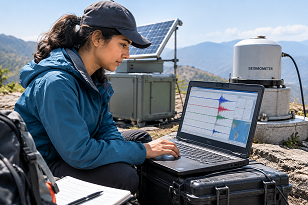
Many ecologists work in office environments, where they spend time analyzing data, writing reports, and conducting research. In the office, ecologists may use computers and specialized software for data analysis, modeling, and geographic information systems (GIS) mapping to study ecological patterns and processes. They may also collaborate with colleagues, attend meetings, and communicate findings through presentations, publications, and outreach activities.
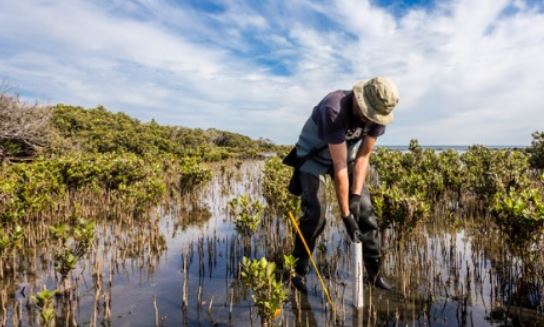
In addition to office work, ecologists often spend time conducting fieldwork in natural environments to collect data, monitor ecosystems, and study ecological processes firsthand. Fieldwork may involve traveling to remote or challenging locations, such as forests, wetlands, deserts, or mountainous regions, to conduct surveys, take measurements, and observe wildlife. Ecologists may work in diverse habitats and climates, enduring various weather conditions and terrain challenges while conducting field research. Fieldwork allows ecologists to gather valuable information about biodiversity, habitat quality, and ecosystem dynamics to inform their research and conservation efforts.
Ecologists may also work in educational or academic settings, such as universities, colleges, or research institutions, where they teach courses, mentor students, and conduct research. In these environments, ecologists have access to laboratory facilities, equipment, and resources to conduct experiments, analyze samples, and study ecological phenomena in controlled settings. They may collaborate with students, colleagues, and interdisciplinary teams to address complex ecological questions and contribute to the advancement of ecological knowledge through research and education.
How to become an Ecologist
Becoming an ecologist requires a combination of education, experience, and specialized training in ecology and related fields. Here is a detailed description of how to become an ecologist:
- Earn a Bachelor's Degree: Obtain a bachelor's degree in ecology, environmental science, biology, or a related field. Gain practical experience through internships, research projects, or volunteer opportunities in ecological research or conservation.
- Consider Graduate Studies: While a bachelor's degree may qualify you for entry-level positions in ecology, pursuing a graduate degree, such as a master's or Ph.D., can provide advanced training and specialization in a specific area of ecology. Graduate programs offer opportunities for in-depth research, mentorship, and professional development, which can enhance your qualifications and career prospects as an ecologist.
- Gain Experience: Gain experience through internships, fieldwork, or research assistantships during your undergraduate or graduate studies. Seek opportunities to work with experienced ecologists, conduct field research, analyze data, and contribute to ecological research projects. Building a strong foundation of practical experience and technical skills is essential for success as an ecologist.
- Develop Specialization: Consider specializing in a specific area of ecology based on your interests and career goals. Specializations within ecology may include community ecology, population ecology, conservation biology, ecosystem ecology, or restoration ecology, among others. Developing expertise in a particular area can help you stand out in the field and pursue opportunities aligned with your interests and strengths.
- Network and Seek Opportunities: Network with professionals in the field of ecology, attend conferences, workshops, and seminars, and join professional organizations such as the Ecological Society of America (ESA) to connect with other ecologists and stay updated on industry trends and job opportunities.
Certifications
Obtaining relevant certifications can demonstrate your expertise and commitment to potential employers, especially in specialized areas of ecology. Here are some certifications that may be beneficial for ecologists:
- Ecological Society of America (ESA) Certification: The Ecological Society of America offers certifications in ecological restoration and ecological modeling. These certifications demonstrate proficiency in specific areas of ecology and may enhance your qualifications for certain positions, particularly in restoration ecology or quantitative ecology.
- Wetland Professional Certification: The Society of Wetland Scientists (SWS) offers certification programs for wetland professionals, including wetland scientists, wetland managers, and wetland delineators. These certifications demonstrate expertise in wetland ecology, assessment, and management, which may be valuable for ecologists working in wetland conservation or regulatory compliance.
- LEED Accredited Professional (LEED AP): The Leadership in Energy and Environmental Design (LEED) accreditation is offered by the U.S. Green Building Council and demonstrates expertise in sustainable design and environmental stewardship. While not specific to ecology, becoming a LEED AP may be beneficial for ecologists interested in sustainable development, green infrastructure, or urban ecology.
- GIS Professional (GISP) Certification: The GIS Certification Institute offers certification programs for Geographic Information Systems (GIS) professionals, including the Certified GIS Professional (GISP) designation. GIS skills are valuable for ecologists working with spatial data, landscape analysis, and habitat mapping, and obtaining GISP certification can demonstrate proficiency in GIS technology and applications.
- Wilderness First Responder (WFR) Certification: While not specific to ecology, obtaining certification as a Wilderness First Responder can be valuable for ecologists conducting fieldwork in remote or rugged environments. WFR certification demonstrates proficiency in wilderness medicine and emergency response, ensuring the safety and well-being of field researchers and expedition teams.
Skills Needed for an Ecologist
An Ecologist studies the relationships between living organisms and their environment. Ecologists help protect biodiversity, understand ecosystems, assess environmental changes, and develop strategies for conservation and sustainable resource management.
Key Skills Required to Become an Ecologist
1. Knowledge of Ecology and Biology
A strong understanding of ecosystems, plants, animals, microorganisms, biodiversity, and ecological processes is essential.
2. Research Skills
Ecologists must be able to conduct scientific studies, collect environmental data, test hypotheses, and investigate ecological problems.
3. Analytical and Critical Thinking
The ability to interpret scientific information, identify environmental patterns, and evaluate the effects of human activities on ecosystems is important.
4. Fieldwork Skills
Ecologists often work outdoors to observe wildlife, study habitats, collect soil and water samples, and monitor environmental conditions.
5. Data Collection and Analysis
They need to record accurate observations, analyze research findings, and use statistical methods to understand ecological changes.
6. Environmental Knowledge
Understanding climate change, pollution, habitat destruction, conservation, and environmental sustainability helps ecologists protect natural resources.
7. Technical and GIS Skills
Familiarity with Geographic Information Systems (GIS), GPS devices, remote sensing, and ecological modelling helps ecologists map habitats and study environmental changes.
8. Communication Skills
Ecologists must explain scientific findings clearly through reports, presentations, research papers, and discussions with colleagues or the public.
9. Problem-Solving Skills
They need to identify environmental challenges and recommend practical solutions to protect ecosystems and endangered species.
10. Attention to Detail
Accurate observations and careful documentation are essential when monitoring species, recording environmental conditions, and conducting experiments.
11. Teamwork and Collaboration
Ecologists frequently work with environmental scientists, conservationists, government agencies, researchers, and local communities.
12. Physical Fitness and Adaptability
Fieldwork may involve walking long distances, working in forests or wetlands, and adapting to different weather and environmental conditions.
Ecologist Salary
The salary of an ecologist depends on educational qualifications, work experience, job location, employer, and area of specialization. Ecologists can work with environmental consulting firms, research institutions, government agencies, wildlife conservation organizations, and universities.
Ecologist Salary in India
- Entry-level Ecologist: ₹2.4 lakh–₹4 lakh per year
- Mid-level Ecologist: ₹4 lakh–₹7 lakh per year
- Experienced Ecologist: ₹7 lakh–₹12 lakh per year
- Senior Ecologist / Specialist: ₹12 lakh–₹18 lakh or more per year
These figures are approximate salary ranges; actual pay varies by employer and role.
Ecologist Salary by Experience
Freshers: Ecologists starting their careers can expect approximately ₹20,000–₹33,000 per month.
Experienced Professionals: With around 3–7 years of experience, ecologists may earn ₹35,000–₹60,000 per month.
Senior Professionals: Ecologists with extensive experience, advanced qualifications, or specialized expertise may earn ₹60,000–₹1.5 lakh or more per month.
Factors Affecting an Ecologist's Salary
- Educational qualifications, including postgraduate degrees.
- Experience in ecological research and environmental assessment.
- Specialization in wildlife conservation, biodiversity, or environmental consultancy.
- Skills in GIS, remote sensing, and ecological data analysis.
- Employment sector, project funding, and geographical location.
Ecologist Salary Abroad
Ecologists may earn higher salaries in countries such as the United States, the United Kingdom, Canada, and Australia. However, salaries vary by location, experience, and employer, and living costs can also be higher.








User's Comments
No comments there.