


Stories you may like
Impact of AI-Generated Content on Google Search Rankings
In recent years, artificial intelligence (AI) has revolutionized content creation, enabling marketers and creators to generate large volumes of text quickly and efficiently. As AI tools become more sophisticated, questions arise about how AI-generated content affects search engine optimization (SEO) and Google rankings. Understanding the relationship between AI content and Google’s algorithms is essential for businesses aiming to maintain visibility and authority online. This article explores key aspects of AI content in the context of SEO, providing insights on evaluation, best practices, challenges, and future trends.
From understanding how Google evaluates AI content to practical tips for optimizing it, this article serves as a comprehensive guide for digital marketers, SEO professionals, and content creators. By balancing AI-generated content with Google’s evolving guidelines, it is possible to harness AI’s benefits while maintaining high search rankings and user engagement.
Understanding AI-Generated Content and Its Impact on SEO
AI-generated content refers to text created using machine learning models, such as natural language processing (NLP) algorithms, that can produce human-like language based on input prompts. These tools range from simple text generators to advanced systems like GPT-4, capable of crafting detailed articles, product descriptions, and more. The rise of AI content has transformed the content creation landscape by accelerating production and reducing costs.
However, the impact of AI-generated content on SEO is nuanced. While AI can help scale content efforts, search engines like Google prioritize content quality, relevance, and originality. Poorly generated or spammy AI content can harm rankings, whereas well-crafted AI content aligned with user intent can enhance SEO performance. The key lies in how AI content is integrated into broader content strategies and optimized for search engines.
How Google Evaluates AI Content for Search Rankings
Google’s algorithms focus primarily on content quality, relevance, and user experience, regardless of whether the content is human- or AI-generated. Google’s guidelines emphasize original, helpful content that provides value to users. While Google does not outright penalize AI-generated content, it warns against automatically generated content intended to manipulate search rankings without adding real value.
Evaluation factors Google considers include:
- Content originality and uniqueness
- Relevance to the search query and user intent
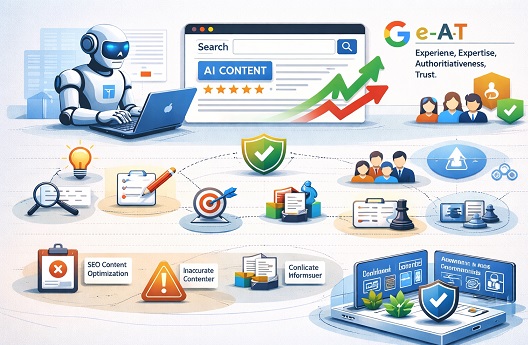
- Expertise, authoritativeness, and trustworthiness (E-A-T)
- User engagement metrics such as time on page and bounce rate
Google’s continuous updates aim to detect low-quality or deceptive content, which can include poorly generated AI text. Therefore, AI content must meet the same standards as human-written content to rank well.
Best Practices for Creating AI Content That Ranks Well
To ensure AI-generated content performs well in search rankings, it is crucial to adhere to best practices that emphasize quality and user value. Start by using AI as a tool to assist rather than replace human creativity. This includes editing and fact-checking AI output, adding unique insights, and tailoring content to your audience’s needs.
Key best practices include:
- Incorporating thorough keyword research and on-page SEO techniques
- Maintaining clear, coherent, and engaging writing style
- Ensuring content accuracy and adding credible sources
- Avoiding keyword stuffing or over-optimization
- Regularly updating content to keep it fresh and relevant
By blending AI efficiency with human oversight, content creators can produce SEO-friendly material that aligns with Google’s quality standards.
Common Challenges When Using AI Content in SEO Strategies
Despite its advantages, AI content presents several challenges in SEO. One major issue is the risk of producing generic, repetitive, or low-quality content that fails to engage users or meet Google’s quality benchmarks. Overreliance on AI can also result in a lack of originality and brand voice consistency.
Other challenges include:
- Difficulty ensuring factual accuracy without thorough human review
- Potential for unintentional plagiarism or duplicate content issues
- Navigating Google’s evolving policies on automatically generated content
- Balancing content volume with quality to avoid penalties
Addressing these challenges requires careful content planning, quality control, and integrating AI tools thoughtfully within SEO workflows.
Tools and Techniques to Optimize AI Content for Google
Several tools and techniques can enhance the SEO value of AI-generated content. Using SEO audit tools like SEMrush, Ahrefs, or Moz can help identify keyword opportunities and optimize on-page elements such as titles, meta descriptions, and headings. AI content should also be checked with plagiarism detection software to ensure originality.
Additional techniques include:
- Leveraging content optimization platforms that suggest improvements based on SERP analysis
- Using readability checkers to improve user experience
- Incorporating structured data markup to help Google better understand content context
- Regularly monitoring performance metrics to adjust strategies accordingly
Combining AI generation with these optimization tools can improve content discoverability and ranking potential.
Future Trends: AI Content and Evolving Google Algorithms
The future of AI content in SEO is closely tied to advancements in both AI technology and Google’s algorithms. As Google invests in AI-driven search features like BERT and MUM, understanding natural language and context will become even more critical. AI-generated content that demonstrates expertise, trustworthiness, and relevance is likely to thrive.
Emerging trends include:
- Increased emphasis on semantic search and user intent understanding
- Greater scrutiny of AI content authenticity and originality
- Integration of AI in content personalization and voice search optimization
- Potential for AI-driven content quality scoring within algorithm updates
Staying informed about these trends will help SEO professionals adapt their strategies and leverage AI effectively.











User's Comments
No comments there.