


Stories you may like
Hospitality Interior Designer
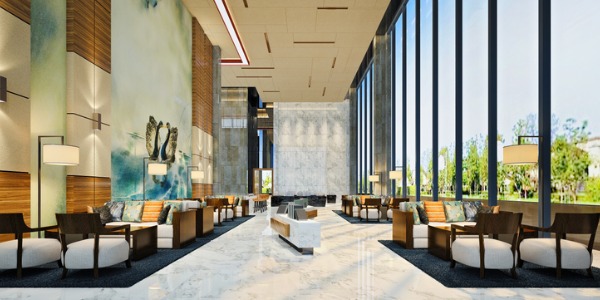
Hospitality interior designers specialize in designing spaces within the hospitality industry. Their projects can be wide-ranging, including hotels, resorts, restaurants, bars, cafes, cruise ships, and other hospitality establishments.
The goal of the hospitality interior designer is to create inviting and memorable environments that align with the establishment’s brand, set it apart from its competitors, and meet the requirements of functionality, comfort, and a positive guest or patron experience.
Duties and Responsibilities
A thoughtfully designed hospitality venue interior can contribute to increased revenue and profitability. Appealing and functional spaces attract more customers and encourage them to spend more time and money on the premises. These facts are what drive hospitality interior designers. Here are some of their key tasks and responsibilities:
- Concept Development – Working closely with clients to understand their vision and brand identity, the hospitality interior designer develops a unique design concept that sets the tone and theme for the interior space.
- Space Planning – The designer determines the layout and arrangement of furniture, fixtures, and equipment to optimize functionality, flow, staff efficiency, and guest comfort. Space planning also considers factors like accessibility and safety.
- Material and Furniture Selection – The designer chooses appropriate materials, fabrics, finishes, lighting fixtures, furniture, and decorative elements that align with the design concept and meet the practical durability requirements of a high-traffic environment.
- Mood Boards and Presentations – The hospitality interior designer creates visual presentations, mood boards, and 3D renderings to communicate the design concept and ideas effectively to clients and stakeholders.
- Project / Budget Management – It is the responsibility of the designer to ensure that the design plan stays within the client's budget while maintaining the desired quality and aesthetics.
- Collaboration with Stakeholders – Coordinating with architects, contractors, and suppliers, the designer ensures the design is implemented correctly during the construction or renovation phase. With the increasing importance of technology in hospitality and other commercial spaces, this may involve working closely with telecommunication and smart building technology providers.
- Compliance and Codes – Adherence to building codes, safety regulations, and accessibility guidelines is critical to creating a safe and compliant environment for guests and staff.
- Lighting Design – Considering both natural and artificial lighting, the hospitality interior designer strategically plans the lighting scheme to create the desired ambiance and mood within the space.
- Environmental Sustainability – Wherever possible, the designer incorporates eco-friendly and energy-efficient design elements to promote sustainable practices.
- Branding and Identity – Whether the project is a relaxing spa, a vibrant restaurant, or a luxurious hotel, infusing the design with elements that reflect the establishment's brand, culture, and values is the foundation of hospitality interior design. It is key to creating a cohesive and memorable experience for guests.
- User Experience – The hospitality interior designer must also focus on the practical needs and desires of guests to ensure a comfortable and enjoyable stay or visit.
- Renovation and Refurbishment – Updating and refreshing existing spaces to maintain relevance and appeal to changing trends and guest preferences is yet another aspect of hospitality interior design.
- Post-Occupancy Evaluation – After project completion, the designer conducts evaluations to assess the success of the design in meeting the intended goals, and where needed makes any necessary adjustments.
Types of Hospitality Interior Designers
Now that we have a sense of a day in the life of a general hospitality interior designer, let’s look at some different types of hospitality interior designers, focusing on specific areas or subsectors of the industry:
- Hotel Interior Designer – Specializing in interior spaces for hotels and resorts, these designers focus on designing guest rooms, suites, lobbies, reception areas, and other hotel amenities. Some hospitality interior designers may further specialize in designing high-end and luxurious spaces for upscale, sophisticated properties. Others may choose to concentrate on creating intimate and distinctive atmospheres for boutique hotels.
- Restaurant Interior Designer – Focusing on designing interior spaces for restaurants, cafes, and other dining establishments, these designers consider factors such as seating layout, ambiance, lighting, and décor.
- Bar and Nightclub Interior Designer – Specializing in designing bars, lounges, and nightclubs, these designers often emphasize creating dynamic and inviting social spaces that appeal to specific target audiences and fit the overall theme and atmosphere of the establishment.
- Spa and Wellness Interior Designer – Focusing on creating serene and rejuvenating interior spaces for spas, wellness centers, and fitness facilities, these designers consider the use of calming colors, natural materials, and efficient space planning to enhance relaxation and well-being.
- Cruise Ship Interior Designer – These designers work on designing interior spaces for cruise ships, including cabins, restaurants, entertainment areas, and public spaces. Cruise ship designers must consider the unique challenges of working within the constraints of a ship's structure and space limitations.
- Conference and Event Space Designer – Specializing in designing conference centers, event venues, and meeting spaces within hotels or standalone locations, these designers consider the practical requirements for hosting events while maintaining an elegant and versatile design.
- Retail and Food and Beverage Interior Designer – These designers work on interior spaces for retail outlets and food and beverage establishments, such as cafes, bakeries, and specialty stores.
- Theme Park and Entertainment Interior Designer – Working on interior spaces within theme parks, entertainment venues, and amusement centers, these designers focus on creating immersive environments that enhance the overall entertainment experience for visitors.
- Sustainable and Eco-Friendly Interior Designer – These designers specialize in integrating sustainable design principles and eco-friendly materials into hospitality spaces, promoting environmentally conscious practices within the industry.
- Historic Preservation and Restoration Designer – These specialists focus on restoring and preserving historical or heritage buildings to maintain their architectural significance while adapting the interiors to modern hospitality needs.
What is the workplace of a Hospitality Interior Designer like?
Hospitality interior designers can work for a variety of organizations and businesses within the hospitality industry. These are among their most common employers:
- Hospitality Design Firms
- Hotel and Resort Chains
- Retail and Restaurant Chains
- Independent Restaurants and Cafes
- Cruise Lines
- Theme Parks and Entertainment Complexes
- Spas and Wellness Centers
Employment opportunities for hospitality interior designers can vary based on location, market demand, and the size and nature of the design industry within a particular region. Additionally, designers may transition between different employers or work on a combination of employed and freelance projects throughout their careers.
Regardless of their place of employment, hospitality interior designers typically work in studios or offices equipped with workstations, design libraries, material samples, drafting tables, and design software tools to support the design process. The designer’s role, of course, almost invariably involves collaborating and meeting with clients, architects, contractors, craftsmen, suppliers, and other project stakeholders.
Hospitality interior designers frequently visit the properties on which they are working. Depending on the scale and location of their projects, they may need to travel to different cities or countries, or they may have the flexibility to work remotely.
How to become a Hospitality Interior Designer
The path to becoming a hospitality interior designer often starts with an early interest in design, followed by formal training in the field, professional qualification, and continuing education.
Here is a snapshot of the common pathways to the career:
High School
As you earn your high school diploma, start preparing for a career in interior design by looking for inspiration in everything, including books, magazines, the internet, and store displays.
Practise your math skills – because they will be useful in completing scale drawings and understanding measurements, both of which are part of the interior designer’s work.
Associate Degree or Bachelor’s Degree in Interior Design
Most design firms require designers to hold at least an undergraduate degree. An associate degree is not typically enough to begin a career as a professional interior designer, though it may prepare you for an assistant position or other related roles in the industry. Students wishing to enter the field should verify that the program they are considering is accredited by the Council for Interior Design Accreditation. Some programs may offer specializations or coursework and studio projects focused on hospitality interior design.
These 10 US schools are renowned worldwide for their interior design programs:
- Fashion Institute of Technology, State University of New York
- New York Institute of Technology, Old Westbury
- University of California, Berkeley Extension
- University of California, Los Angeles
- University of Nevada, Las Vegas, School of Architecture
- Florida International University
- The Art Institute of Fort Lauderdale, Florida
- International Academy of Design & Technology, Tampa, Florida
- West Valley College, Saratoga, California
- Interior Designers Institute, Newport Beach, California
Here is a summary of the curricula covered by most associate and bachelor’s degree programs in interior design:
Two-year Associate Degree Program
The first year of Associate level programs generally covers the fundamentals of design and basic skills in both hand drawing and digital drawing. The focus of the second year is typically on more specialized topics such as architectural lighting, color theory, furniture history, and introductory business and marketing concepts.
Common coursework and target skills include the following:
Modern Architecture & Design
A review of designs of the last two centuries, highlighting the emergence of specific design theory and stylistic elements; traces modernization of style back to origins
- Foundational knowledge in design history and different styles
- Ability to adapt past designs for present and future use
- Understanding of the connections between interior and exterior design
History of Building Types
An overview of how specific purpose-built spaces have evolved over time; examples often include corporate spaces, museums, hotels, government buildings
- Recognition of the evolution of common spaces
- Grasp of what has and has not worked in past designs
- Framework for understanding modernization of existing buildings
Color Theory
The cultural, social, and psychological implications of color use; the effects of color, including productivity and tranquility; examination of varied theories, optical illusions, the Bezold Effect (how our perception of a color is affected by its surrounding colors), and contrasts
- Awareness of how colors affect the human brain, moods, and emotions
- Guidelines for use of colors in particular spaces
Drawing
Various drawing techniques and how to translate an idea into a reality by hand or using digital drawing practices and tools
- Familiarity with multiple drawing techniques
- Architectural drafting and digital drawing software skills, including computer-aided design (AutoCAD), SketchUp, Revit, and 3D rendering tools
Four-year Bachelor’s Degree Program
These programs comprise courses that address the aesthetic, technical, and business skills required of the well-rounded interior designer. Students are immersed in several topics: drafting, design, 3D imaging, space planning, project management, marketing, sales, and business development.
Common coursework and target skills include the following:
Design Theory
Examination of the literature and portfolios of leading designers of the past, including William Morris, Claude Perault, and others; analysis of how their theories informed contemporary designs and how they can be used in modern design
- Understanding of historical influences on design approaches to various projects
- Insight into the mindset of influential practitioners
- Understanding of how to renovate existing spaces and create designs relevant to present and future use
Textiles for Interiors
A survey of the historical production and use of fabrics throughout significant decorative arts periods; a review of how various kinds of fabrics are produced
- How to estimate yardage and how to select fabrics for specific projects
- Knowledge of historical code requirements for outfitting protected properties and maintaining fabric properly
The Business of Interior Design
An overview of the practical skills needed to succeed in the field, including project management, research and problem solving, client interviewing, client presentations, and contract negotiation
- Effective handling of clients and negotiations
- Ability to develop client proposals and pitch ideas to prospective employers
- Communication skills to ensure proper translation of clients’ wishes
Materials and Assembly
Examination of the use of both hard and soft materials in developing spaces, creating partitions, and changing environments; review of materials’ historical applications
- Knowledge of how to use hard and soft materials such as room dividers, drapery, and furniture
- Theoretical knowledge to inform design decisions
- Developing personal aesthetics for design implementation
Alternative Degrees
A degree in a field related to interior design, such as interior architecture or environmental design may also open doors to a career as a hospitality interior designer.
Qualification Exam
Several US states and Canadian provinces have laws that require professional designers to hold an interior design license. To qualify for licensure, candidates must pass the National Council for Interior Design Qualification (NCIDQ) exam, which tests competency in areas such as building codes, space planning, and health and safety regulations. The NCIDQ is the most recognized interior designer credential.
Practical Experience
Gaining relevant hands-on experience is crucial in the field of hospitality interior design. Look for opportunities to intern or work as an assistant with established interior design firms, architectural firms, or construction companies. This practical experience will expose you to real-world projects, industry practices, and client interactions.
Build an Online Portfolio
A well-curated online portfolio that showcases your credentials, vision, and best design work is crucial to your success as a hospitality interior designer. Include a variety of hospitality projects to demonstrate your abilities to work on different scales, in different hospitality sectors, and in different design styles.
Start Your Own Business or Seek Employment
Decide whether you want to work for an established design firm, start your own business, or work as a freelancer. Each option has its own pros and cons. Starting your own business requires additional skills in marketing, project management, and business development.











User's Comments
No comments there.