


Stories you may like
Furniture Finisher
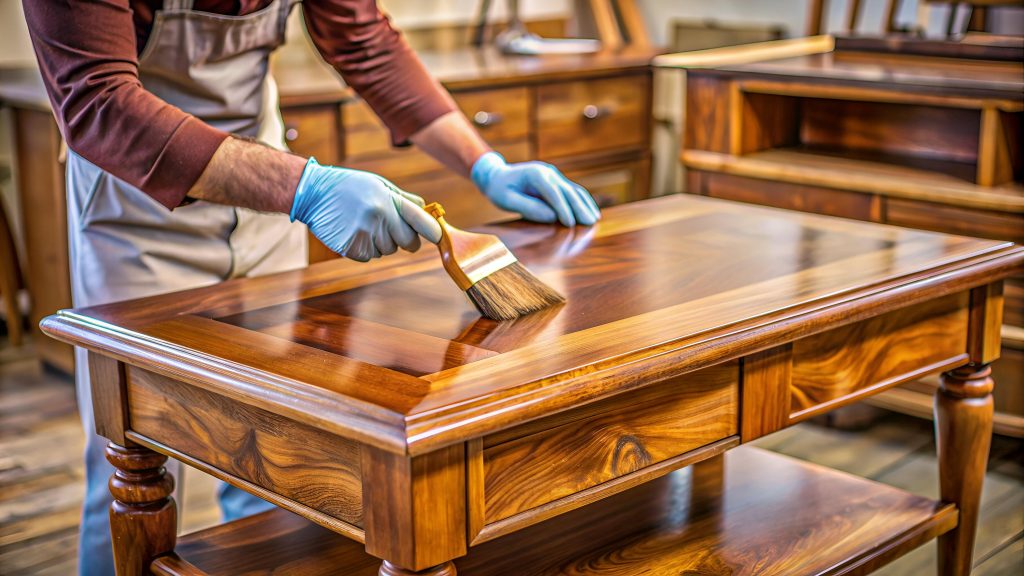
A furniture finisher is a skilled craftsman responsible for the final stages of furniture production. They meticulously apply finishes to wooden furniture to enhance its appearance, protect it from wear and tear, and highlight the natural beauty of the wood grain. The finisher carefully prepares the furniture surfaces, ensuring they are smooth and free from imperfections. They then apply coatings such as stains, paints, lacquers, varnishes, or oils using various application methods, including brushing, spraying, or hand-rubbing. The finisher pays close attention to detail, ensuring an even and consistent application and may also use techniques like distressing or glazing to achieve desired decorative effects.
Furniture finishers may collaborate with designers, carpenters, or cabinetmakers to bring their creations to life. Additionally, furniture finishers may also provide refinishing services to restore and revitalize old or damaged furniture pieces, stripping off the old finish, repairing any damages, and applying new finishes to breathe new life into the furniture. Their attention to detail, craftsmanship, and knowledge of various finishes and application techniques contribute to the overall quality and beauty of the finished furniture pieces.
Furniture finishers enhance the aesthetic appeal of furniture pieces by applying finishes that bring out the natural beauty of the wood and create a desired visual effect. They protect the furniture from wear and tear, moisture, and other environmental factors that can damage the wood over time.
Duties and Responsibilities
The duties and responsibilities of a furniture finisher can vary depending on the specific job and employer. However, here are some common tasks associated with this role:
- Surface Preparation: Furniture finishers are responsible for preparing furniture surfaces for finishing. This involves sanding, filling, and repairing any imperfections or blemishes in the wood to create a smooth and even surface.
- Application of Finishes: Furniture finishers apply various finishes to furniture pieces to enhance their appearance and protect them from damage. This includes applying stains, paints, varnishes, lacquers, or oils using appropriate techniques such as brushing, spraying, or hand-rubbing. They ensure that the finish is evenly applied and that it adheres well to the wood surface.
- Color Matching: In cases where furniture pieces require color matching or blending, furniture finishers use their expertise to match the desired color or finish to existing furniture or customer preferences. They may use stain mixing or tinting techniques to achieve the desired color match.
- Sealant and Protective Coatings: Furniture finishers apply sealants or protective coatings to furniture surfaces to enhance durability and protect against moisture, UV damage, or general wear and tear. This may involve applying clear coats, topcoats, or wax finishes to achieve the desired level of protection and sheen.
- Quality Control and Inspection: Furniture finishers inspect finished furniture pieces to ensure they meet quality standards. They carefully examine the surfaces for flaws, bubbles, or inconsistencies in the finish, making any necessary touch-ups or adjustments to achieve a flawless final product.
- Safety and Cleanliness: Furniture finishers adhere to safety protocols and maintain a clean and organized work area. They handle and dispose of finishing materials and chemicals properly, ensuring a safe working environment.
- Collaboration and Communication: Furniture finishers often collaborate with other professionals, such as designers, carpenters, or upholsterers, to coordinate the finishing process with the overall furniture production. They may also communicate with clients or customers to understand their preferences and provide guidance on appropriate finishes or refinishing options.
Types of Furniture Finishers
There are several types of furniture finishers, each specializing in different aspects of the finishing process. Here are a few examples:
- Stain and Color Finishers: These finishers specialize in applying stains and color finishes to furniture pieces. They have expertise in color matching, blending, and creating custom finishes to achieve specific hues or effects.
- Paint Finishers: Paint finishers are skilled in applying paint coatings to furniture surfaces. They work with different types of paint, such as latex, oil-based, or specialty paints, and employ techniques like spraying, brushing, or rolling to achieve a desired paint finish.
- Varnish and Lacquer Finishers: Varnish and lacquer finishers specialize in applying clear coatings, such as varnishes or lacquers, to furniture surfaces. They have knowledge of different types of clear finishes, their properties, and application methods to achieve a protective and glossy appearance.
- Refinishing Specialists: Refinishing specialists focus on restoring and refinishing old or damaged furniture pieces. They are skilled in stripping off existing finishes, repairing any damages, and applying new finishes to revive the furniture's appearance.
- Antique Furniture Finishers: Antique furniture finishers work specifically with antique or vintage furniture pieces. They have knowledge of historical finishing techniques, materials, and color palettes to authentically restore or replicate antique finishes.
- Specialty Finishes: Some furniture finishers specialize in unique or specialty finishes. This can include techniques such as distressing, glazing, gilding, or faux finishes, where they create textured or decorative effects on furniture surfaces.
- Spray Finishers: Spray finishers are proficient in using spray equipment to apply finishes. They have expertise in operating spray guns, achieving even coverage, and producing smooth and flawless finishes.
What is the workplace of a Furniture Finisher like?
The workplace of a furniture finisher can vary depending on the employer and the nature of the job. Furniture finishers may work in a variety of settings, including furniture manufacturing companies, woodworking shops, restoration and refinishing businesses, or as self-employed professionals.
In a manufacturing company or woodworking shop, furniture finishers are typically part of a larger production team. They may work in a dedicated finishing department or area where they have access to specialized equipment, such as spray booths, drying racks, and sanding stations. The workspace is often well-ventilated to ensure proper air circulation during the application of finishes and may include safety measures like exhaust systems and protective gear. The environment is typically structured, with specific workflows and deadlines to meet production targets.
For furniture restorers or self-employed finishers, the workplace can be more flexible. They may have their own workshop or studio where they perform furniture refinishing and restoration work. This space is equipped with the necessary tools and materials for surface preparation, finishing, and refinishing tasks. Additionally, furniture finishers who offer on-site services may work directly at clients' homes or businesses, especially when providing touch-ups or refinishing for existing furniture.
Regardless of the work environment, furniture finishers spend a significant amount of time on their feet, working at benches or workstations. They often work with various hand tools, power equipment, and finishing materials, such as brushes, spray guns, sanders, and solvents. They may need to lift and move furniture pieces during the finishing process, requiring physical strength and dexterity.
The workplace of a furniture finisher may involve exposure to chemicals and odors from finishes, solvents, and cleaning agents. As a result, proper ventilation, personal protective equipment, and adherence to safety guidelines are crucial to minimize risks. Cleanliness and organization are also important in maintaining a well-functioning workspace, as it contributes to efficient workflow and quality outcomes.
How to become a Furniture Finisher
To become a furniture finisher, you can follow these general steps:
- Obtain a High School Diploma: Start by completing your high school education or obtaining an equivalent diploma. A solid foundation in subjects like art, woodworking, chemistry, or industrial arts can be beneficial.
- Acquire Practical Skills and Knowledge: Develop practical skills related to furniture finishing. You can gain experience through vocational programs, community college courses, or apprenticeships that focus on woodworking, cabinetmaking, painting, surface preparation, and finishing techniques. Additionally, seek opportunities to work with different finishes, tools, and materials to build your skills.
- Gain Hands-On Experience: Look for entry-level positions or apprenticeships in furniture manufacturing companies, woodworking shops, or restoration businesses. This hands-on experience will provide you with valuable exposure to the furniture finishing process, allowing you to learn from experienced professionals and refine your skills.
- Learn About Different Finishing Techniques and Materials: Expand your knowledge of various finishing techniques and materials used in furniture finishing. Study different types of finishes such as stains, paints, varnishes, lacquers, and oils, and understand their properties, application methods, and the effects they produce.
- Take Relevant Courses or Workshops: Consider enrolling in specialized courses or workshops that focus on furniture finishing. These may be offered by vocational schools, trade organizations, or community colleges. Such courses can provide in-depth knowledge and hands-on training in specific areas of furniture finishing.
- Build a Portfolio: As you gain experience and refine your skills, create a portfolio showcasing your best work. Include photographs or samples of furniture pieces you have finished, highlighting your ability to apply different finishes and achieve high-quality results.
- Network and Gain Professional Connections: Attend trade shows, workshops, or industry events related to furniture manufacturing and finishing. Networking with professionals in the field can provide opportunities for mentorship, job referrals, and staying updated on industry trends and advancements.
- Seek Certification (Optional): Although not mandatory, obtaining certifications related to furniture finishing can demonstrate your expertise and commitment to professional development. For example, the Woodwork Career Alliance (WCA) offers a Finishing Passport program that validates your knowledge and skills in furniture finishing.
- Stay Informed and Continuously Learn: Furniture finishing techniques and materials evolve over time. Stay updated on industry trends, new products, and emerging technologies through trade publications, online resources, and participation in continuing education programs.
Helpful Resources
As a furniture finisher, there are several helpful resources available to enhance your knowledge, stay updated with industry trends, and connect with other professionals. Here are some valuable resources:
- Woodwork Career Alliance (WCA): The WCA is an industry organization that offers certifications, training programs, and resources for woodworking professionals, including furniture finishers. They provide access to skill standards, training materials, and networking opportunities.
- Professional Associations: Joining professional associations such as the American Society of Furniture Finishers (ASFF) or the Professional Refinisher's Group can provide access to educational resources, workshops, conferences, and networking opportunities specific to the furniture finishing field.
- Trade Publications: Subscribe to trade publications that focus on woodworking, furniture manufacturing, and finishing. These publications often feature articles, tutorials, product reviews, and industry news that can keep you informed about the latest trends, techniques, and advancements in furniture finishing.
- Online Forums and Communities: Participate in online forums and communities dedicated to woodworking and furniture finishing. Platforms such as Woodweb, Sawmill Creek, or the Woodworking subreddit allow you to connect with fellow professionals, share experiences, ask questions, and learn from others in the field.
- Manufacturer Websites and Resources: Many manufacturers of finishing products, such as stains, paints, varnishes, and coatings, provide resources and technical guides on their websites. These resources can offer valuable information about their products, application techniques, and troubleshooting tips.
- Continuing Education Programs: Check with local community colleges, vocational schools, or trade schools for continuing education programs or workshops related to furniture finishing. These programs often provide hands-on training, advanced techniques, and exposure to new finishing materials and technologies.
- Woodworking and Furniture Shows: Attend woodworking and furniture trade shows and exhibitions, such as the International Woodworking Fair (IWF), AWFS Fair, or local woodworking expos. These events showcase the latest products, technologies, and techniques in the industry. They also provide opportunities to network with manufacturers, suppliers, and fellow professionals.
- Online Video Tutorials: Online platforms like YouTube have numerous video tutorials on furniture finishing techniques. Many skilled finishers and woodworking experts share their knowledge and demonstrate various finishing processes, providing valuable visual guidance.











User's Comments
No comments there.