


Stories you may like
AI Product Designer
An AI product designer creates user experiences and interfaces for products powered by artificial intelligence. They take complex AI technology and shape it into tools that feel natural, helpful, and safe for people to use. This work matters because it helps users trust and enjoy AI in everyday life, from apps to services that solve real problems.
An AI product designer can work at a tech company, a startup building smart apps, or in industries like healthcare, finance, and entertainment where AI enhances services. Work often happens in an office or on a team with engineers and data specialists, sometimes within a larger company or creative agency. Success depends on understanding users, using design tools, thinking creatively, and staying curious about AI.
Duties and Responsibilities
AI product designers make sure that AI products work well for people while meeting team goals and deadlines.
- User Research: AI product designers talk to users and study their needs through interviews and surveys. This helps them spot problems AI can solve and ensures designs fit real-life use.
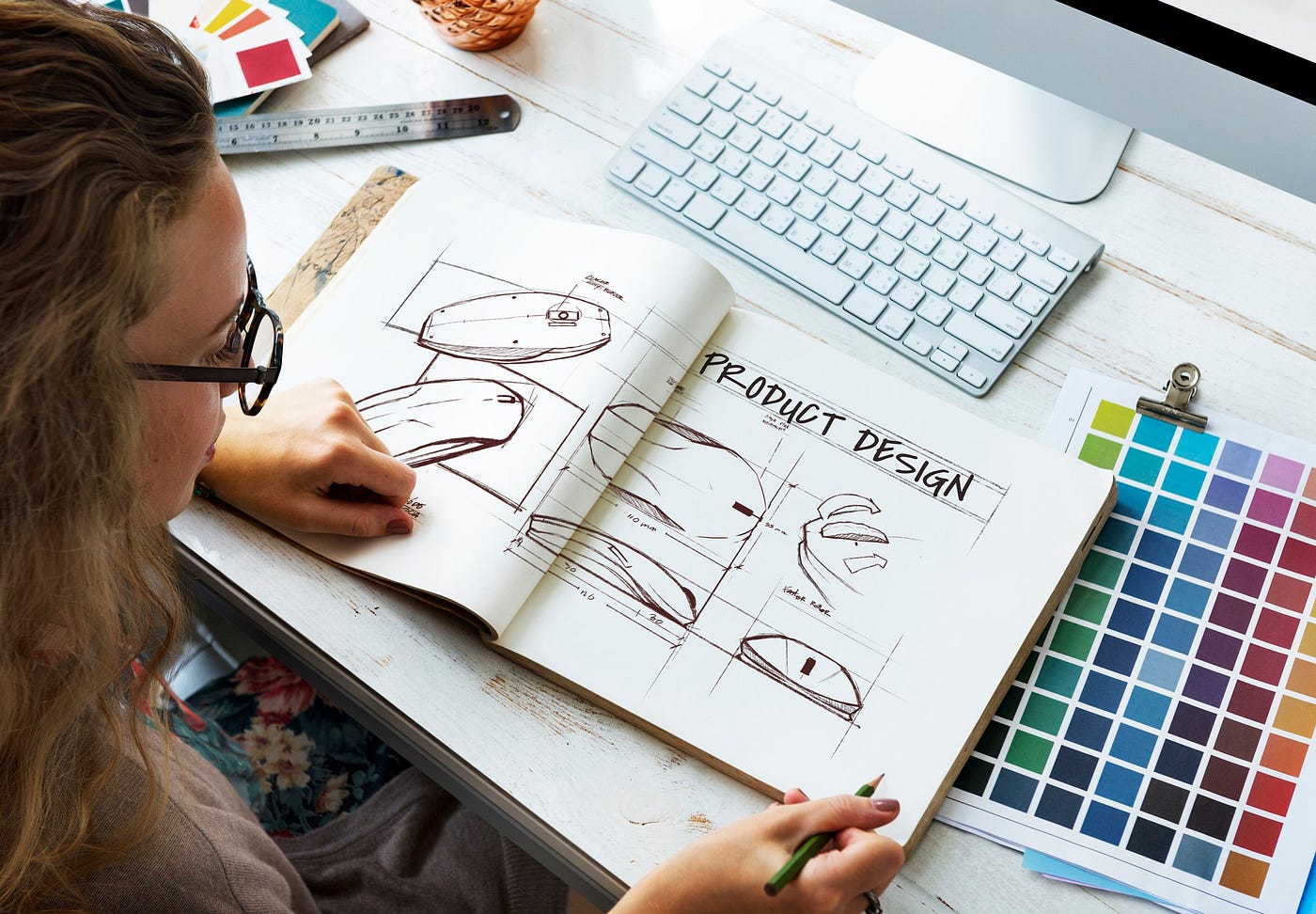
- Wireframing and Prototyping: They sketch early ideas and build interactive models using tools like Figma or Adobe XD. These prototypes let teams test concepts quickly before full development.
- Collaboration with Teams: Designers meet regularly with engineers, data scientists, and product managers to share ideas and align on features. They join stand-up meetings and reviews to keep projects on schedule.
- Testing AI Outputs: They check AI results for issues like bias or errors by running edge cases and user tests. This step makes sure the product stays fair, safe, and reliable under deadlines.
- Iterating Designs: Based on feedback, they refine interfaces and experiences to improve usability. They often work in sprints with two-week cycles to deliver updates fast.
- Staying Current: Designers follow AI trends through online courses, conferences, and newsletters like those from UX design groups. They experiment with new tools to keep skills sharp for evolving tech.
Types of AI Product Designers
AI product design splits into several specialties, each focusing on different parts of creating smart products.
- AI UX Designer: This designer plans user journeys in AI apps to make interactions smooth and intuitive. Their focus stands out in emphasizing trust and clarity around AI decisions.
- AI Conversation Designer: This AI designer builds chatbots and virtual assistants for customer service or help. The objective is to make responses quick, accurate, and personalized.
- AI Interaction Designer: This specialist focuses on voice or chat features, designing how users talk to AI. The role differs by honing in on natural, back-and-forth conversations that feel human.
- UI Designer for AI Systems: This AI designer creates the visual look of AI user interfaces with buttons, screens, and graphics. What makes this specialty unique is crafting displays that explain complex AI results simply.
- Generative AI Designer: This AI designer shapes tools that create images, text, or code from AI prompts. Their main focus is on guiding users to get useful outputs without frustration.
- Ethical AI Designer: This designer ensures AI products avoid harm by designing for fairness and privacy. What sets this role apart is the priority on compliance with regulations like data protection laws.
What is the workplace of an AI Product Designer like?
The workplace of an AI product designer is a mix of creativity, collaboration, and problem-solving. Most of the work happens on a computer, using design tools to create interfaces, user flows, and prototypes for AI-powered products. The day often involves reviewing how a tool works, testing new features, and making adjustments so the AI feels natural and helpful for users.
Collaboration is key. An AI product designer regularly works with engineers, data specialists, product managers, and sometimes researchers to make sure designs meet both user needs and technical requirements. Meetings, design reviews, and shared online tools help keep everyone on the same page and ensure the AI product works smoothly in real-world situations.
Work environments are often flexible, with options to work in offices, remotely, or in hybrid setups. The pace can pick up during new product launches, but the atmosphere is usually creative and supportive. The main goal is to make AI tools intuitive, safe, and enjoyable for people to use every day.
How to become an AI Product Designer
People enter the field of AI product design through a mix of education, hands-on practice, and skill building that prepares them for creative tech roles.
- Earn a Relevant Degree: Many pursue a Bachelor's Degree in Human-Computer Interaction, Computer Science, Graphic Design, or related areas. This education builds core knowledge in design principles and basic tech concepts needed for AI projects.
- Learn Design Basics: Tools like Figma and Sketch can be studied through online courses or bootcamps. Mastering these tools helps create prototypes and visuals that bring AI ideas to life.
- Gain AI Knowledge: Intro courses on AI concepts such as machine learning and ethics, available on platforms like Coursera, provide understanding of AI limits and strengths to inform smart design choices.
- Practise Key Skills: Working on user research, wireframing, and testing through personal projects sharpens the ability to create user-friendly AI interfaces.
- Build a Portfolio: Collecting examples of design work, including AI-focused mockups or prototypes, demonstrates practical ability to employers during job hunts.
- Seek Internships or Freelance Gigs: Hands-on roles at tech firms or startups offer real-world experience while teaching teamwork and deadlines in AI settings.
- Earn Professional Certifications: Programs from trusted organizations validate design and AI skills, boosting resumes and proving readiness for team roles (see below).
- Network and Apply: Joining design communities, attending events, and sharing work on LinkedIn helps form connections that often lead to entry-level positions in growing AI teams.
Certifications
Certifications help show practical skills in AI and design that employers value, especially for roles working on AI-powered products.
- Google UX Design Professional Certificate: This professional certificate teaches UX design fundamentals, including how to work with modern design tools and integrate AI into design workflows. Completion provides a recognized credential to demonstrate practical skills.
- IBM AI Product Manager Professional Certificate: This certificate covers product management and AI concepts, helping learners gain applied skills for managing and building AI-enabled products. It teaches how to align AI features with business and user needs.
- AI x Design Thinking Certificate (IDEO U): This program blends design thinking with generative AI concepts, teaching human-centered problem solving and creative ways to integrate AI into design workflows.
- AI for Designers (Interaction Design Foundation) Certificate: Focused on using AI in design processes, this certificate equips designers with practical skills to apply AI tools and create smarter, user-friendly interfaces.
- Designing and Building AI Solutions Certificate (eCornell): This program covers AI solution design and ethical considerations, giving designers foundational knowledge of how AI systems are structured and deployed in real-world settings.










User's Comments
No comments there.