


Stories you may like
Aquacultural Manager
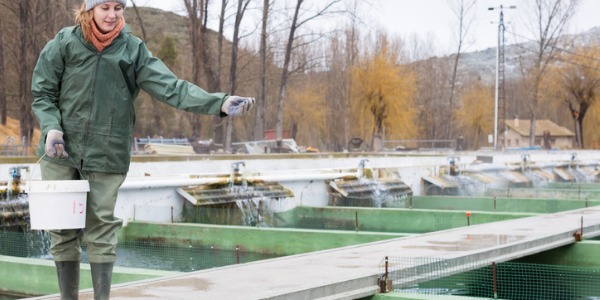
An aquacultural manager oversees the breeding, raising, and harvesting of fish, shellfish, and other aquatic organisms in controlled environments such as fish farms or hatcheries. Their job is to ensure that aquatic species are raised in healthy conditions, with proper water quality, nutrition, and disease management. They also manage the daily operations of aquaculture facilities, including staff supervision, equipment maintenance, and production schedules.
Beyond the day-to-day work, aquacultural managers also play a role in sustainability and business planning. They monitor growth rates, track inventory, and make decisions about when and how to harvest. Many also work to ensure compliance with environmental regulations and food safety standards, helping balance production goals with responsible resource management. In short, they combine science, management, and problem-solving to keep aquaculture operations successful and sustainable.
Duties and Responsibilities
Aquacultural managers have a wide range of duties and responsibilities focused on the successful production and care of aquatic organisms, as well as the smooth operation of aquaculture facilities. Some of their key responsibilities include:
- Managing Daily Operations: Overseeing the feeding, breeding, and general care of fish, shellfish, and other aquatic species while ensuring proper water quality and environmental conditions.
- Monitoring Health and Growth: Keeping track of animal health, identifying signs of disease or stress, and taking steps to maintain good growth rates and survival.
- Supervising Staff: Directing and training workers, assigning tasks, and ensuring that staff follow proper safety and operational procedures.
- Maintaining Equipment and Facilities: Ensuring tanks, ponds, nets, and filtration systems are in good condition and arranging repairs or upgrades as needed.
- Record-Keeping and Reporting: Tracking production data, inventory, expenses, and harvest schedules, and reporting results to owners, companies, or regulatory bodies.
- Ensuring Compliance: Following local, national, and environmental regulations related to aquaculture practices, food safety, and sustainability.
- Business and Financial Planning: Managing budgets, planning production cycles, and making decisions that balance efficiency, profitability, and environmental responsibility.
Types of Aquacultural Managers
Aquacultural managers can specialize in different areas depending on the type of aquatic species they raise and the environment in which they work. Some of the main types include:
- Fish Farm Managers: Focus on raising freshwater or saltwater fish, such as salmon, trout, or tilapia, for food production or stocking in lakes and rivers.
- Shellfish Farm Managers: Oversee the cultivation of shellfish like oysters, mussels, and clams, ensuring proper water quality and managing harvesting processes.
- Shrimp Farm Managers: Specialize in breeding and growing shrimp in controlled environments, often in coastal areas or specialized tanks.
- Hatchery Managers: Manage the breeding and early life stages of fish or shellfish before they are transferred to larger farms or released into the wild.
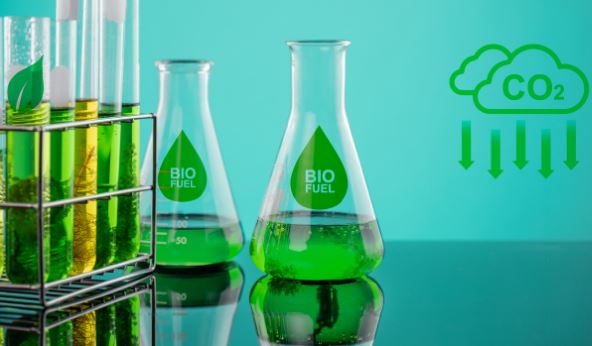
- Aquatic Plant Farm Managers: Focus on raising aquatic plants such as seaweed, kelp, or algae, which can be used for food, animal feed, cosmetics, or biofuel.
- Research Facility Managers: Work in universities, government agencies, or private labs, directing aquaculture research projects and overseeing experimental breeding or farming techniques.
What is the workplace of an Aquacultural Manager like?
The workplace of an aquacultural manager can vary depending on the type of facility and species they are managing. Many work on fish farms, shellfish farms, or shrimp farms, where they oversee ponds, tanks, or enclosures that house aquatic organisms. These environments often require constant monitoring of water quality, temperature, and oxygen levels to ensure the health and growth of the animals. Managers also spend time inspecting equipment and maintaining filtration or aeration systems.
Some aquacultural managers work in hatcheries, which focus on breeding and raising young fish or shellfish before they are transferred to larger farms or released into natural habitats. Hatcheries often involve indoor facilities with tanks or raceways, where precise control of water conditions and feeding schedules is critical. Managers here spend significant time recording growth data, monitoring animal health, and ensuring that breeding programs run smoothly.
In addition to on-site work, aquacultural managers may also have office responsibilities. They track production schedules, manage budgets, supervise staff, and coordinate with regulatory agencies to ensure compliance with environmental and food safety standards. For managers in research or educational facilities, the workplace may include laboratories and classrooms in addition to outdoor or indoor aquaculture setups.
How to become an Aquacultural Manager
Becoming an aquacultural manager requires a combination of education, hands-on experience, and management skills. The general steps include:
- Earn a Relevant Degree: Most aquacultural managers hold a Bachelor’s Degree in Aquaculture, Fisheries Science, Marine Biology, Environmental Science, or a related field. Coursework typically covers aquatic biology, water quality management, fish nutrition, and aquaculture systems.
- Gain Practical Experience: Hands-on experience is essential. Internships, seasonal work, or entry-level positions at fish farms, hatcheries, or aquaculture research facilities help build practical skills in animal care, equipment operation, and facility management.
- Develop Management Skills: Aquacultural managers oversee staff, budgets, and daily operations, so experience in leadership, supervision, and business management is valuable. Many gain these skills through work experience or specialized training programs.
- Stay Current with Industry Practices: Aquaculture practices and regulations are always evolving. Continuing education, workshops, and certifications in aquaculture technology, fish health, or environmental compliance help managers stay up to date.
- Apply for Managerial Positions: With education, experience, and leadership skills, candidates can pursue aquacultural manager roles in farms, hatcheries, research facilities, or aquaculture businesses. Demonstrating both technical knowledge and the ability to oversee operations increases the likelihood of securing a managerial position.
Certifications
Aquacultural managers can enhance their skills and career prospects by obtaining professional certifications that are widely recognized in the field. These certifications focus on aquaculture practices, fish health, and facility management.
- Certified Aquaculture Professional (CAP): Offered by organizations such as the World Aquaculture Society (WAS), this certification demonstrates proficiency in aquaculture principles, production techniques, and management practices. Candidates typically need relevant education and experience to qualify.
- Aquatic Animal Health Certification: Programs like the American Fisheries Society (AFS) Fish Health Certification provide training in fish disease prevention, diagnosis, and treatment. This certification is particularly useful for managers overseeing large populations of fish or shellfish.
- Aquaculture Technician Certification: Some community colleges or technical institutions offer aquaculture technician programs that include hands-on training and verification of skills in water quality management, feeding, and equipment operation. These certifications help managers demonstrate practical expertise in day-to-day operations.
- Continuing Education and Specialized Training: Many aquaculture organizations offer workshops, short courses, and online programs in areas such as biosecurity, sustainable aquaculture, and hatchery management. Completing these programs can help managers stay current with industry best practices and regulatory requirements.









User's Comments
No comments there.