


Stories you may like
Traffic Technician
A traffic technician specializes in managing and optimizing traffic flow on roadways and at intersections. These specialists play a key role in transportation planning and engineering, working to improve the efficiency and safety of traffic systems. Traffic technicians typically collaborate with transportation engineers and urban planners to analyze traffic patterns, assess intersections, and implement measures to enhance the overall functionality of road networks.
With a focus on optimizing traffic flow and promoting safety, traffic technicians contribute to the efficient functioning of transportation systems in urban and suburban areas across the country.
Duties and Responsibilities
Traffic technicians manage and improve traffic flow on roadways. Their duties and responsibilities encompass a range of tasks related to transportation planning, traffic engineering, and safety. Here are key duties associated with the role of a traffic technician:
- Traffic Flow Analysis: Conduct detailed analyses of traffic patterns, volumes, and congestion at intersections and along roadways. Use traffic engineering principles and software to assess current conditions and identify areas for improvement.
- Traffic Signal Optimization: Work on optimizing traffic signal timings to improve the efficiency of intersections. Adjust signal phasing and timing plans to enhance the smooth flow of traffic and reduce delays.
- Traffic Impact Assessments: Perform traffic impact assessments for proposed developments, analyzing how new construction projects or changes to existing infrastructure may affect traffic patterns. Provide recommendations to mitigate potential impacts.
- Data Collection and Analysis: Utilize various data collection methods, including traffic counts, surveys, and technology-based data sources, to gather information on traffic behavior. Analyze collected data to inform decision-making and improve transportation systems.
- Signage and Pavement Markings: Collaborate on the design and implementation of signage and pavement markings to enhance traffic safety and guide motorists effectively. Ensure compliance with traffic regulations and standards.
- Traffic Safety Measures: Propose and implement safety measures, such as speed limit adjustments, installation of traffic calming devices, and improvements to pedestrian crossings, to enhance overall road safety.
- Transportation Planning Support: Assist transportation planners in the development and evaluation of transportation plans and projects. Contribute data and insights to support the planning process.
- Public Outreach: Engage with the public and stakeholders to gather input on traffic-related issues. Communicate proposed changes, gather feedback, and address concerns to ensure community involvement in transportation planning efforts.
- Collaboration with Engineers: Collaborate with transportation engineers and other professionals to develop and implement solutions that address traffic challenges. Work as part of a multidisciplinary team to achieve effective and sustainable transportation outcomes.
- Project Management: Manage or contribute to traffic-related projects, ensuring that they are completed on time and within budget. Coordinate with relevant agencies, contractors, and stakeholders to facilitate project implementation.
- Traffic Control Planning: Plan and implement temporary traffic control measures for construction projects or special events. Develop strategies to minimize disruptions and maintain traffic safety during such activities.
- Regulatory Compliance: Stay informed about local, state, and federal traffic regulations and standards. Ensure that traffic management practices and infrastructure comply with relevant laws and guidelines.
Types of Traffic Technicians
In the field of traffic management and transportation planning, various types of traffic technicians specialize in specific aspects of the traffic engineering and transportation infrastructure. Here are some common types of traffic technicians:
- Traffic Signal Technician: Focuses on the installation, maintenance, and optimization of traffic signal systems. These technicians ensure that traffic signals operate efficiently, and they may troubleshoot and repair signal malfunctions.
- Transportation Planner: Develops and implements strategies to optimize the movement of people and goods within urban and regional environments. These experts design sustainable and efficient transportation systems that address the needs of communities while considering factors such as safety, environmental impact, and accessibility.
- Traffic Safety Technician: Concentrates on improving traffic safety through the analysis of accident data, implementation of safety measures, and collaboration with engineers to design and implement solutions to enhance road safety.
- Traffic Data Technician: Collects, manages, and analyzes traffic-related data, including traffic counts, speed studies, and other information used to understand traffic patterns and inform decision-making in transportation planning.
- Traffic Control Technician: Specializes in planning and implementing temporary traffic control measures for construction zones, events, or other situations requiring adjustments to normal traffic patterns. They focus on minimizing disruptions and ensuring safety.
- Sign and Marking Technician: Works on the design, installation, and maintenance of traffic signs, pavement markings, and other visual cues on roadways. They ensure that signage is clear, visible, and complies with regulatory standards.
- Intelligent Transportation Systems (ITS) Technician: Focuses on the installation and maintenance of ITS technologies, including traffic monitoring systems, variable message signs, and other intelligent transportation solutions aimed at improving traffic flow and management.
- Transportation Modeling Technician: Assists in developing transportation models that simulate traffic patterns and help predict the impact of various transportation projects. They contribute to data collection and analysis for modeling purposes.
- Parking Technician: Specializes in managing and optimizing parking facilities. They may work on implementing smart parking solutions, developing parking policies, and ensuring efficient use of parking spaces in urban areas.
- Traffic Engineering Technician: Collaborates with traffic engineers in designing and implementing traffic management solutions. They may be involved in projects related to road design, intersection improvements, and traffic calming measures.
- Pedestrian and Bicycle Technician: Focuses on planning and implementing infrastructure improvements to enhance pedestrian and bicycle safety. They may contribute to projects involving crosswalks, bike lanes, and pedestrian-friendly urban planning.
- GIS Technician (Geographic Information Systems): Utilizes GIS technology to map and analyze transportation-related data. GIS technicians contribute to spatial analysis, mapping traffic patterns, and supporting transportation planning efforts.
Workplace of a Traffic Technician
The workplace of a traffic technician can vary based on the specific role, industry, and employer. Traffic technicians are commonly employed by government agencies, engineering firms, consulting companies, or transportation departments at the city, county, or state levels. The nature of their work often involves a combination of office-based tasks and fieldwork.
In an office setting, traffic technicians engage in data analysis, modeling, and planning activities. They use specialized software to analyze traffic patterns, study the impact of new developments on traffic flow, and contribute to the design and optimization of traffic signal systems. Collaboration with other transportation professionals, including engineers, planners, and policymakers, is common, as traffic technicians play a vital role in the broader field of transportation planning and management.
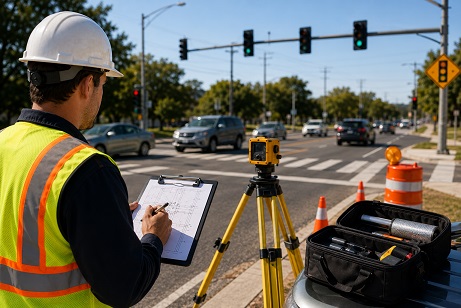
Fieldwork is also a significant component of a traffic technician's workplace. They may spend time on the road, conducting traffic counts, assessing intersections, and implementing or monitoring temporary traffic control measures for construction projects or events. Field visits allow traffic technicians to gather firsthand information, troubleshoot issues, and ensure that traffic management strategies are effectively implemented.
How to become a Traffic Technician
Becoming a traffic technician involves a combination of education, training, and practical experience. Here are the general steps you can take to pursue a career as a traffic technician:
- Educational Background: Obtain a high school diploma or equivalent. Courses in mathematics, physics, and computer science can provide a strong foundation for a career in traffic management.
- Post-Secondary Education: Consider pursuing post-secondary education in a relevant field such as civil engineering technology, civil engineering, transportation planning, or a related discipline.
- Gain Relevant Skills: Develop skills in data analysis, geographic information systems (GIS), and traffic simulation software. Familiarize yourself with relevant tools and technologies used in traffic management.
- Internships or Entry-Level Positions: Seek internships or entry-level positions in transportation departments, engineering firms, or local government agencies. These experiences provide hands-on exposure to traffic management tasks and allow you to apply theoretical knowledge in real-world situations.
- Certifications (Optional): While not always required, obtaining certifications related to traffic management or specific software tools can enhance your qualifications (see below).
- Apply for Positions: Look for job openings in transportation departments, engineering firms, and local government agencies. Tailor your resume and cover letter to highlight your education, skills, and experiences relevant to the position.
- Professional Development: Pursue opportunities for professional development, such as additional coursework, workshops, or conferences. Continuing education can enhance your skills and keep you competitive in the field.
Certifications
There are several certifications available for traffic technicians, depending on their specialization and area of expertise. Here are some of the common certifications for traffic technicians:
- Transportation Engineering Technician (TET): Offered by the National Institute for Certification in Engineering Technologies (NICET), the TET certification is for technicians who work in the field of transportation engineering. The certification includes different levels, from Level 1 to Level 4, which correspond to increasing levels of knowledge and experience.
- Traffic Control Technician (TCT): Offered by the American Traffic Safety Services Association (ATSSA), the TCT certification is for technicians who work with traffic control devices such as signs, signals, and markings.
- Certified Professional in Transportation and Traffic Operations (PTOE): Offered by the Transportation Professional Certification Board (TPCB), the PTOE certification is for professionals who work in transportation planning and traffic operations. It requires passing a written exam and meeting certain educational and experience requirements.
- Intelligent Transportation Systems (ITS) Professional: Offered by the ITS America Professional Capacity Building Program, the ITS Professional certification is for professionals who work in the field of intelligent transportation systems. It requires passing a written exam and meeting certain educational and experience requirements.
- Professional Traffic Operations Engineer (PTOE): Offered by the Transportation Professional Certification Board (TPCB), the PTOE certification is for professionals who have experience in traffic engineering and operations. It requires passing a written exam and meeting certain educational and experience requirements.
- GIS (Geographic Information Systems) Certification: Certification in GIS can be valuable for traffic technicians involved in spatial analysis and mapping. Organizations such as the GIS Certification Institute offer GIS Professional (GISP) certification.
Skills Needed for a Traffic Technician
- Traffic Engineering Knowledge – Understanding traffic flow, road design, traffic signs, pavement markings, and transportation systems.
- Data Collection and Analysis – Ability to gather, interpret, and analyze traffic counts, speed studies, and accident data.
- Technical Proficiency – Familiarity with traffic analysis software, GIS, CAD, and Microsoft Office applications.
- Knowledge of Traffic Control Devices – Understanding the installation, maintenance, and operation of traffic signals, signs, and road markings.
- Attention to Detail – Ensuring accurate measurements, inspections, and compliance with transportation standards.
- Problem-Solving Skills – Identifying traffic issues and recommending practical solutions to improve safety and efficiency.
- Mathematical Skills – Applying calculations for traffic studies, road measurements, and engineering projects.
- Communication Skills – Preparing reports, explaining findings, and working effectively with engineers, contractors, and government officials.
- Field Inspection Skills – Conducting on-site assessments, identifying hazards, and documenting roadway conditions.
- Knowledge of Safety Regulations – Understanding workplace safety procedures, traffic laws, and transportation standards.
- Computer Skills – Using databases, spreadsheets, mapping software, and traffic management systems efficiently.
- Time Management – Managing multiple projects, inspections, and deadlines effectively.
- Teamwork – Collaborating with engineers, planners, construction crews, and public agencies.
- Adaptability – Working in changing weather conditions, construction zones, and evolving transportation technologies.
- Critical Thinking – Evaluating traffic patterns and making informed recommendations to improve road safety and mobility.
SALARY
Average Annual Salary
- Entry-Level: $40,000–$55,000 per year
- Mid-Level: $55,000–$75,000 per year
- Experienced: $75,000–$95,000+ per year
Average Hourly Wage
- $20–$45 per hour, depending on experience and location.
Factors That Affect Salary
- Years of experience
- Education and technical certifications
- Employer (public sector vs. private engineering firms)
- Geographic location
- Specialized skills in traffic engineering software, GIS, CAD, and traffic signal systems
- Professional certifications and safety training
Traffic Technicians working for large metropolitan transportation departments or engineering consulting firms often earn higher salaries, especially when they have experience with advanced traffic analysis, intelligent transportation systems (ITS), and roadway design projects.











User's Comments
Farhanjani12 Reply
Shop SKYS Bicycles Built Around Modern Innovation, Professional Craftsmanship, Reliable Materials, and a Strong Commitment to Global Cycling Excellence comparison hardtail mountain bike