


Stories you may like
Dermatologist
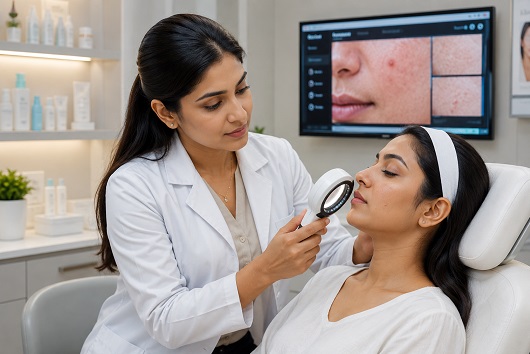
A dermatologist is a medical doctor who specializes in the diagnosis, treatment, and prevention of conditions related to the skin, hair, and nails. They have undergone extensive training in the field of dermatology, which involves the study of the anatomy, physiology, and pathology of the skin. Dermatologists are qualified to treat a wide range of skin conditions, from minor irritations to life-threatening diseases such as skin cancer. They also play an important role in the prevention of skin problems by providing education and guidance on proper skincare practices.
Dermatologists may work in private practice or in hospitals and clinics. They use a variety of tools and techniques to diagnose and treat skin conditions, including biopsies, blood tests, allergy tests, and imaging tests such as ultrasound or magnetic resonance imaging (MRI). Depending on the specific condition, treatment may involve topical or oral medications, surgery, or other interventions. In addition to treating skin conditions, dermatologists may also perform cosmetic procedures such as Botox injections, laser hair removal, and chemical peels to improve the appearance of the skin.
Dermatologists are crucial in diagnosing and treating a wide range of skin conditions, helping individuals achieve healthy and radiant skin. They play a vital role in detecting and treating skin cancers, contributing to early detection and improved outcomes. Dermatologists also provide valuable guidance and education on skincare practices, helping individuals maintain the health of their skin and prevent future skin issues.
Duties and Responsibilities
A dermatologist's duties and responsibilities may include:
- Diagnosing Skin Conditions: One of the main duties of a dermatologist is to diagnose skin conditions. This involves taking a patient's medical history, examining their skin, and possibly conducting tests to determine the underlying cause of the condition.
- Prescribing Medications: Once a diagnosis is made, a dermatologist may prescribe medications such as topical creams or oral medications to treat the condition. They may also provide advice on skincare routines and suggest over-the-counter products to help manage symptoms.
- Performing Procedures: Some skin conditions may require procedures to be performed. As trained medical professionals, dermatologists are qualified to perform procedures such as biopsies, surgeries, and laser treatments.
- Managing Chronic Conditions: Some skin conditions such as acne or psoriasis may require ongoing management. Dermatologists will work with patients to develop a treatment plan and provide ongoing support and guidance to manage these conditions.
- Skin Cancer Screenings: Dermatologists are trained to identify and diagnose skin cancer. They may perform regular skin cancer screenings to detect any potential issues early on, and provide treatment if necessary.
- Cosmetic Procedures: Many dermatologists offer cosmetic procedures such as Botox injections, chemical peels, and laser hair removal. They will work with patients to develop a treatment plan that meets their individual needs.
- Education and Outreach: Dermatologists may also provide education and outreach to their communities. This may include giving presentations, writing articles, or appearing on television to discuss skin health and common skin conditions.
Types of Dermatologists
There are several types of dermatologists, each specializing in a specific area of dermatology. Some of the most common types include:
- General Dermatologists: These dermatologists diagnose and treat a wide range of skin conditions, including acne, eczema, psoriasis, and skin cancer.
- Cosmetic Dermatologists: Cosmetic dermatologists specialize in non-surgical cosmetic procedures such as Botox injections, dermal fillers, chemical peels, and laser treatments.
- Pediatric Dermatologists: Pediatric dermatologists specialize in treating skin conditions in infants, children, and adolescents. Common conditions they treat include eczema, acne, birthmarks, and rashes.
- Dermatopathologists: These dermatologists specialize in the microscopic examination of skin tissue to diagnose skin diseases. They work in conjunction with general dermatologists to provide accurate diagnoses and treatment plans.
- Mohs Surgeons: Mohs surgeons specialize in the surgical treatment of skin cancer. They use a precise technique called Mohs surgery to remove cancerous tissue while sparing healthy tissue.
- Dermatologic Oncologists: These dermatologists specialize in the treatment of skin cancer. They work with other medical professionals to develop comprehensive treatment plans that may include surgery, chemotherapy, and radiation.
- Immunodermatologists: Immunodermatologists specialize in the treatment of autoimmune skin disorders, such as lupus and dermatomyositis.
Workplace of a Dermatologist
Dermatologists work in a variety of settings, including private practices, hospitals, and clinics. Their workplace environment can vary depending on the specific type of dermatology they specialize in and the size of the facility they work in.
Many dermatologists work in private practices, which can range from a small office to a large clinic. In these settings, dermatologists typically have their own examination rooms and may have a small staff to assist with administrative tasks, scheduling appointments, and assisting with patient care. They may also have access to advanced technology and equipment, such as lasers or Mohs surgery equipment, to perform procedures in-house.
Dermatologists may also work in hospitals, either as employees or as part of a group practice. In hospital settings, dermatologists may have access to a wider range of resources, including specialized medical equipment, support staff, and a broader network of medical professionals. They may work closely with other specialists, such as oncologists or plastic surgeons, to provide comprehensive care to patients with complex skin conditions.
Regardless of their workplace setting, dermatologists typically work in a clean, well-lit environment that is designed to promote patient comfort and safety. They may work long hours, including evenings and weekends, to accommodate patients' schedules. Some dermatologists may also be on-call to respond to emergencies or consult with other medical professionals.
Education and Training Requirements for a Dermatologist
High School
If you are interested in becoming a dermatologist, it's a good idea to start preparing in high school by taking relevant courses that will help you build a strong foundation in science and other relevant subjects. Here are some high school courses that may be beneficial for aspiring dermatologists:
- Biology: Biology is a foundational subject for anyone interested in pursuing a career in healthcare. It covers topics such as genetics, cellular biology, and physiology, all of which are relevant to dermatology.
- Chemistry: Chemistry is another important subject for aspiring dermatologists, as it provides a foundation in organic and inorganic chemistry, which is relevant to understanding how drugs and other treatments work on the body.
- Physics: Physics can be helpful for dermatologists who use certain medical equipment or perform certain procedures that involve physics concepts, such as lasers.
- Math: Dermatology involves a significant amount of data analysis and mathematical reasoning, so it's important to have a strong foundation in math. Courses in algebra, geometry, and statistics can be especially helpful.
- English and Communications: While not directly related to dermatology, courses in English and communications can help you develop strong communication skills, which are essential for building relationships with patients and collaborating with other healthcare professionals.
Overall, taking these courses can help you build a strong foundation in science and prepare you for the rigors of medical school and dermatology residency. Additionally, it's a good idea to pursue extracurricular activities, such as volunteering at a hospital or shadowing a dermatologist, to gain firsthand experience in the field.
Formal Education Steps
Becoming a dermatologist requires a significant amount of education and training, which typically includes the following steps:
- Bachelor's Degree: The first step to becoming a dermatologist is to earn a four-year bachelor's degree in a relevant field such as biology, pre-med, or a related field.
- Pass the MCAT: The MCAT (Medical College Admission Test) is a standardized exam required for admission to most medical schools in the United States. It tests students' knowledge and skills in areas such as biology, chemistry, physics, and critical thinking.
- Medical School: After passing the MCAT, aspiring dermatologists must attend medical school, which typically takes four years. During medical school, students take courses in basic sciences such as anatomy, biochemistry, pharmacology, and physiology, as well as clinical rotations in various specialties.
- Internship: After graduating from medical school, aspiring dermatologists must complete a one-year internship in a hospital or other clinical setting. The internship provides practical experience in patient care and prepares students for their residency.
- Dermatology Residency: After completing their internship, students must complete a three-year dermatology residency. During the residency, students work under the supervision of experienced dermatologists and gain hands-on experience diagnosing and treating a wide range of skin conditions. They also participate in research projects, attend conferences, and complete coursework related to dermatology.
- Optional Fellowship: Some dermatologists choose to complete an additional fellowship after their residency. This provides further specialized training in a particular area of dermatology.
- Licensing and Certification: After completing their education and training, dermatologists must pass the United States Medical Licensing Examination (USMLE) and obtain a state medical license. Some dermatologists also choose to obtain certification from the American Board of Dermatology (ABD).
Fellowship
Some dermatologists may choose to pursue additional specialized training in a specific area of dermatology. Here are some examples of specialized training programs for dermatologists:
- Mohs Surgery Fellowship: Mohs surgery is a specialized technique for removing skin cancer. Dermatologists can complete a one or two-year fellowship in Mohs surgery to gain advanced training in this technique.
- Pediatric Dermatology Fellowship: Dermatologists who are interested in working with children can complete a one or two-year fellowship in pediatric dermatology. This fellowship provides specialized training in the unique skin conditions and treatments that affect children.
- Dermatopathology Fellowship: Dermatopathology is a subspecialty of dermatology that involves examining skin samples under a microscope to diagnose skin diseases. Dermatologists can complete a one or two-year fellowship in dermatopathology to gain advanced training in this technique.
- Cosmetic Dermatology Fellowship: Dermatologists who are interested in performing cosmetic procedures such as Botox injections or laser treatments can complete a one-year fellowship in cosmetic dermatology. This fellowship provides specialized training in these procedures.
Licensure and Board Certification
Licensure
To become licensed, dermatologists must pass the United States Medical Licensing Examination (USMLE) or the Comprehensive Osteopathic Medical Licensing Examination (COMLEX-USA). These exams assess a doctor's knowledge and ability to diagnose and treat patients.
In addition to passing the exams, dermatologists must also meet other requirements set by their state's medical board, such as completing a certain number of continuing education credits or completing a criminal background check.
Board Certification
Board certification for dermatologists is a voluntary process that involves an additional level of testing and assessment beyond medical licensure. The certification is offered by the American Board of Dermatology (ABD) and signifies that the dermatologist has met certain standards of knowledge and competency in their field.
The exam is a comprehensive, one-day test that covers various aspects of dermatology, including medical, surgical, and cosmetic dermatology. After passing the exam, dermatologists become board-certified in dermatology and are recognized as experts in their field.
To maintain their certification, dermatologists must participate in ongoing continuing education and periodically complete recertification exams or other assessments. This ensures that they stay up-to-date with the latest advancements in their field and maintain their competency as dermatologists.
Skills Needed for a Dermatologist
Hard Skills (Technical Skills)
- Clinical Diagnosis – Identifying and diagnosing skin, hair, nail, and mucosal disorders accurately.
- Dermatological Examination – Performing comprehensive skin examinations using clinical and diagnostic tools.
- Dermoscopy – Using a dermatoscope to evaluate moles, skin lesions, and detect skin cancers.
- Skin Biopsy Techniques – Performing punch, shave, excisional, and incisional biopsies.
- Medical Dermatology – Managing conditions such as acne, eczema, psoriasis, rosacea, vitiligo, and skin infections.
- Dermatopathology Knowledge – Understanding microscopic findings to diagnose skin diseases.
- Dermatologic Surgery – Performing minor surgical procedures, including cyst removal and skin lesion excision.
- Laser Therapy – Using lasers to treat pigmentation, scars, vascular lesions, unwanted hair, and skin rejuvenation.
- Cosmetic Dermatology – Performing procedures such as Botox, dermal fillers, chemical peels, and microneedling.
- Cryotherapy – Treating warts, precancerous lesions, and benign skin growths using liquid nitrogen.
- Wound Care Management – Treating burns, ulcers, and post-surgical wounds.
- Skin Cancer Detection – Recognizing and managing melanoma and non-melanoma skin cancers.
- Prescription Management – Prescribing topical, oral, injectable, and biologic medications safely.
- Infection Control – Preventing and managing bacterial, viral, fungal, and parasitic skin infections.
- Medical Documentation – Maintaining accurate patient records and treatment plans.
- Knowledge of Pharmacology – Understanding medications, adverse effects, and drug interactions.
- Diagnostic Test Interpretation – Interpreting laboratory tests, skin biopsies, allergy tests, and imaging findings.
- Emergency Dermatology – Managing severe allergic reactions, drug eruptions, and dermatological emergencies.
- Digital Health and Teledermatology – Using telemedicine platforms and digital imaging for remote consultations.
- Research and Evidence-Based Practice – Applying the latest clinical research and treatment guidelines in patient care.
Soft Skills
- Communication Skills – Clearly explaining diagnoses, treatment options, and preventive skin care.
- Empathy and Compassion – Providing patient-centered care with understanding and sensitivity.
- Attention to Detail – Identifying subtle skin changes and ensuring diagnostic accuracy.
- Analytical Thinking – Evaluating symptoms and test results to determine appropriate treatment.
- Problem-Solving Skills – Developing effective treatment plans for complex dermatological conditions.
- Decision-Making – Making timely and evidence-based clinical decisions.
- Patience – Managing chronic skin conditions that require long-term treatment and follow-up.
- Manual Dexterity – Performing surgical and cosmetic procedures with precision.
- Observation Skills – Detecting early signs of skin diseases and monitoring treatment progress.
- Professional Ethics – Maintaining patient confidentiality and high standards of medical practice.
- Time Management – Managing consultations, procedures, and follow-up appointments efficiently.
- Leadership Skills – Supervising healthcare teams and coordinating patient care when required.
- Teamwork – Collaborating with pathologists, oncologists, plastic surgeons, and other healthcare professionals.
- Adaptability – Keeping up with advances in dermatology, cosmetic procedures, and medical technology.
- Stress Management – Remaining calm and effective during emergencies and high patient workloads.
- Patient Education – Teaching patients about skin health, disease prevention, and proper skincare practices.
- Cultural Sensitivity – Providing respectful care to patients from diverse backgrounds.
- Continuous Learning – Staying updated through continuing medical education, research, and professional development.
Dermatologist Salary
The salary of a Dermatologist varies based on experience, qualifications, type of practice, location, and specialization.
Entry-Level (0–3 years)
- Annual Salary: ₹8 lakh – ₹15 lakh
- Monthly Salary: ₹65,000 – ₹1.25 lakh
Mid-Level (4–8 years)
- Annual Salary: ₹15 lakh – ₹30 lakh
- Monthly Salary: ₹1.25 lakh – ₹2.5 lakh
Senior-Level (9–15 years)
- Annual Salary: ₹30 lakh – ₹60 lakh
- Monthly Salary: ₹2.5 lakh – ₹5 lakh
Highly Experienced / Renowned Dermatologists (15+ years)
- Annual Salary: ₹60 lakh – ₹1 crore+
- Monthly Salary: ₹5 lakh – ₹8.5 lakh+
Salary by Workplace
- Government Hospitals: ₹10 lakh – ₹25 lakh per year (plus allowances and benefits)
- Private Hospitals: ₹12 lakh – ₹40 lakh per year
- Multi-Specialty Hospitals: ₹15 lakh – ₹50 lakh+ per year
- Private Practice / Own Clinic: ₹20 lakh – ₹1 crore+ per year (depending on patient volume, reputation, and cosmetic procedures)
- Medical Colleges and Universities: ₹12 lakh – ₹30 lakh per year
- Cosmetic and Aesthetic Clinics: ₹20 lakh – ₹80 lakh+ per year
Factors Affecting Salary
- Educational qualifications (MBBS, MD/DNB in Dermatology, Fellowship in Cosmetic Dermatology, etc.)
- Years of clinical experience
- Type of employer (government, private, or self-employed)
- Location of practice (metro cities generally offer higher salaries)
- Expertise in cosmetic dermatology, laser treatments, and aesthetic procedures
- Reputation, patient base, and demand for specialized services
Average Salary in India
The average salary of a Dermatologist in India is approximately ₹18 lakh to ₹30 lakh per year, while experienced dermatologists with successful private practices or expertise in cosmetic dermatology can earn ₹1 crore or more annually.










User's Comments
No comments there.