


Stories you may like
Aquarist
An aquarist takes care of aquatic animals and plants in environments like aquariums, zoos, and research facilities. Their main job is to ensure that fish, marine mammals, invertebrates, and aquatic plants stay healthy and thrive in their habitats. Aquarists are responsible for feeding the animals, maintaining clean and stable water conditions, and monitoring the health of the aquatic life. They also help create and maintain displays that are both educational and visually appealing to the public.
In addition to daily care, aquarists often assist with breeding programs, conservation efforts, and sometimes even rescue and rehabilitation of marine species. Their work helps educate visitors about marine ecosystems and the importance of protecting aquatic environments. Aquarists usually have a strong background in marine biology, zoology, or a related field and must be comfortable working in and around water, often using diving gear to tend to large tanks.
Duties and Responsibilities
Aquarists have a variety of duties and responsibilities that focus on the care and maintenance of aquatic animals and their environments. Here are some of their key tasks:
- Feeding Aquatic Animals: Aquarists prepare and provide the appropriate diet for each species, ensuring they receive proper nutrition based on their needs.
- Maintaining Aquatic Habitats: They monitor and maintain water quality, temperature, and cleanliness in tanks and exhibits to create a healthy and stable environment.
- Health Monitoring: Aquarists regularly check the health of the animals, watching for signs of illness or stress, and may administer basic treatments or work with veterinarians when needed.
- Tank Cleaning and Upkeep: They clean tanks, remove algae, and maintain filtration systems to keep the aquatic environment safe and visually appealing.
- Breeding Programs: Aquarists may assist with or manage breeding programs to help sustain populations of certain species, especially those that are endangered.
- Public Education: They often engage with the public by providing information about the animals, answering questions, and participating in educational presentations or tours.
- Record Keeping: Keeping detailed records of feeding schedules, health observations, water tests, and any treatments administered is an important part of their work.
- Collaborating with Teams: Aquarists often work closely with other animal care staff, researchers, and conservationists to ensure the best care for aquatic species.
Types of Aquarists
There are different types of aquarists, each specializing in specific environments or roles within the care of aquatic life. Here are some common types:
- Freshwater Aquarists: These aquarists specialize in caring for species that live in freshwater habitats, such as rivers, lakes, and ponds. They manage fish, amphibians, and aquatic plants adapted to non-salty environments.
- Marine Aquarists: Marine aquarists focus on species from saltwater environments like oceans and seas. They care for marine fish, corals, invertebrates, and other sea creatures that require specialized saltwater tanks.
- Cold Water Aquarists: These aquarists work with species that thrive in cooler water temperatures, such as certain types of fish and invertebrates found in cold oceans or mountain streams.
- Tropical Aquarists: Tropical aquarists care for species that live in warm, tropical environments, often maintaining vibrant and diverse ecosystems that mimic coral reefs or tropical rivers.
- Public Aquarists: Working in aquariums, zoos, or educational institutions, public aquarists maintain large exhibits, manage complex ecosystems, and educate visitors about aquatic life and conservation.
- Research Aquarists: These aquarists work in research facilities or universities, focusing on studying aquatic species' behaviors, breeding, health, and environmental needs to support scientific knowledge and conservation efforts.
What is the workplace of an Aquarist like?
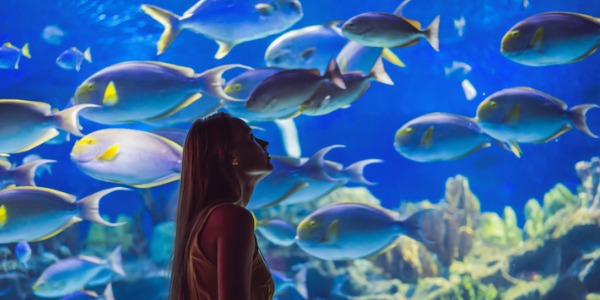
The workplace of an aquarist is typically within public aquariums, zoos, marine parks, or research facilities. These environments are designed to house a wide variety of aquatic species, from small freshwater fish to large marine animals like sharks and rays. Aquarists spend much of their time around tanks and exhibits, ensuring that the animals have clean, safe, and enriched habitats that closely mimic their natural environments.
Working as an aquarist often involves both behind-the-scenes tasks and public-facing duties. Behind the scenes, aquarists are responsible for feeding animals, cleaning tanks, maintaining water quality, and monitoring animal health. Many facilities have specialized filtration systems and equipment that require regular upkeep, so aquarists need to be comfortable using technical tools and machinery.
The job can also include educating the public about aquatic life, conservation, and environmental issues. Aquarists may give talks, lead tours, or assist in interactive exhibits where visitors can learn more about the species on display. The work environment can be physically demanding, involving heavy lifting, diving, or working in humid, wet conditions, but it is also highly rewarding for those passionate about marine and freshwater life.
How to become an Aquarist
Becoming an aquarist involves a combination of education, hands-on experience, and specialized skills. Here are the general steps to pursue this career:
- Obtain a Relevant Degree: Start by earning a degree in marine biology, zoology, aquaculture, or a related field. These programs provide a strong foundation in aquatic animal care, ecology, and environmental science.
- Gain Practical Experience: Hands-on experience is essential. Seek internships, volunteer positions, or part-time work at aquariums, zoos, marine research centers, or aquaculture facilities to develop skills in animal care, tank maintenance, and aquatic system management.
- Learn Scuba Diving: Many aquarist roles require diving to clean tanks or interact with large marine animals. Obtaining scuba diving certification, such as from PADI or NAUI, is often a valuable and necessary step.
- Develop Specialized Skills: Knowledge of water chemistry, filtration systems, animal nutrition, and disease management is critical. Pursue additional training or certifications in these areas to strengthen your expertise.
- Apply for Entry-Level Positions: Look for positions such as aquarist assistant, animal care technician, or marine husbandry technician to gain more professional experience. These roles can help you advance to full aquarist positions.
- Network and Continue Learning: Join professional organizations like the Association of Zoos and Aquariums (AZA) or the European Union of Aquarium Curators (EUAC). Attend workshops, conferences, and training programs to stay updated on best practices and advancements in aquatic care.
Helpful Resources
Here are some helpful resources for aquarists to support their work and professional growth:
- American Association of Zoo Keepers (AAZK): AAZK provides educational resources, networking opportunities, and professional development tailored to aquarists and animal care professionals. Their resources can help aquarists stay updated on best practices in aquatic animal care.
- Marine Aquarium Societies of North America (MASNA): MASNA supports marine aquarium enthusiasts and professionals through education, publications, and community engagement. They also host MACNA (Marine Aquarium Conference of North America), a significant event for the marine aquarium community.
- World Aquatic Veterinary Medical Association (WAVMA): WAVMA offers educational materials and training opportunities focused on aquatic animal health and veterinary care, making it valuable for aquarists interested in the medical aspects of aquatic species.
- Coral Magazine: This publication specializes in topics related to reef aquariums, corals, and marine fishkeeping, providing insights and inspiration for aquarists working with marine systems.
- Advanced Aquarist: An online magazine featuring in-depth articles, research, and news related to marine and reef aquariums. It covers advanced topics and current developments in the field.
- Tropical Fish Hobbyist Magazine: A comprehensive publication covering freshwater and marine aquarium care, species profiles, and aquarium maintenance techniques.
- Reef2Reef: A popular online forum where reef aquarium enthusiasts can share experiences, seek advice, and discuss all things related to saltwater aquariums.
- Aquatic Plant Central: An online community dedicated to freshwater planted aquariums, offering resources, discussions, and tips on creating and maintaining healthy aquatic plant systems.
- Local Aquarium Clubs and Societies: Joining a local club or society provides networking opportunities, workshops, and access to experienced aquarists. These groups often host events, trade shows, and educational sessions.
- Recommended Books: Notable titles include "The Conscientious Marine Aquarist" by Robert M. Fenner, which offers guidance on marine aquarium care, and "Ecology of the Planted Aquarium" by Diana Walstad, which focuses on creating sustainable freshwater planted tanks.







User's Comments
No comments there.