


Stories you may like
Teacher Assistant
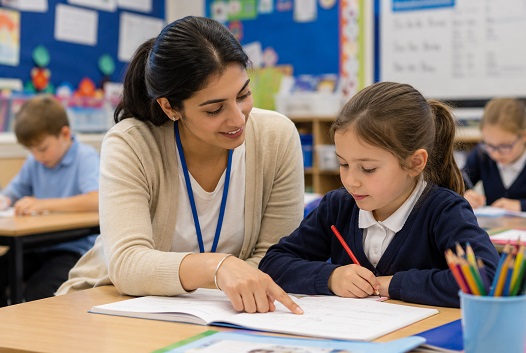
A teacher assistant provides support and assistance to classroom teachers in educational settings. Teacher assistants enhance the learning experience for students by working closely with teachers to facilitate classroom activities and manage the overall classroom environment. They often work in various educational levels, from preschool to high school, as well as in specialized programs such as special education.
Teacher assistants help students individually or in small groups with assignments, reinforcing lesson concepts, and providing additional explanations as needed. They may also assist in classroom management, helping maintain discipline and order among students. In some cases, teacher assistants work with students who have special needs, providing personalized attention and support to help these students succeed academically and socially.
Teacher assistants contribute to a more effective learning environment by providing extra hands-on support to teachers and fostering a positive educational experience for students.
Duties and Responsibilities
Here are the duties and responsibilities of a teacher assistant:
- Assisting in Instruction: Teacher assistants support classroom teachers by helping with instructional activities. They may work with small groups of students, provide one-on-one assistance, or help in organizing and implementing lesson plans. This can include explaining concepts, reviewing assignments, and offering additional support to students who may need it.
- Classroom Management: Teacher assistants play a role in maintaining a productive and orderly classroom environment. They help manage student behavior, reinforce classroom rules, and ensure that students are engaged in learning activities. This can involve monitoring student interactions, addressing minor behavioral issues, and helping to create a positive and respectful atmosphere.
- Preparing Materials: Teacher assistants assist in preparing materials and resources for lessons. They might help set up equipment for demonstrations, organize materials for hands-on activities, and ensure that all necessary supplies are ready for the day's lessons.
- Supporting Special Needs Students: In inclusive classrooms, teacher assistants often work closely with students who have special needs. They collaborate with special education teachers to provide individualized support, adapt materials, and assist in implementing accommodations outlined in students' Individualized Education Programs (IEPs).
- Providing Feedback: Teacher assistants offer valuable feedback to classroom teachers about students' progress, needs, and interactions. They may observe students' behavior, engagement, and comprehension, sharing insights that can help teachers make informed instructional decisions.
- Supervision: During transitions, recess, lunch, and other non-instructional periods, teacher assistants help supervise students to ensure their safety and well-being. They might also accompany students on field trips and outings.
- Record Keeping: Teacher assistants often assist in maintaining records, such as attendance and student performance data. They may help organize and file assignments, assessments, and other classroom-related documentation.
- Collaboration: Teacher assistants collaborate with classroom teachers, special education staff, and other school personnel to ensure a cohesive educational experience for all students. They actively participate in team meetings and contribute insights that contribute to effective teaching strategies.
Types of Teacher Assistants
There are several types of teacher assistants who serve different roles and provide support in various educational settings. Here are some common types of teacher assistants:
- General Education Teacher Assistant: These teacher assistants work in regular classrooms and provide support to the classroom teacher. They assist with instruction, help manage the classroom, provide individualized attention to students, and assist with preparing materials.
- Special Education Teacher Assistant: Special education teacher assistants work in inclusive or special education classrooms to support students with disabilities or special needs. They provide individualized attention, help implement accommodations, assist with behavioral interventions, and support students in achieving their educational goals.
- English Language Learner (ELL) Teacher Assistant: ELL teacher assistants work with students who are learning English as a second language. They assist these students in understanding and completing assignments, provide language support, and help create a supportive learning environment.
- Title I Teacher Assistant: Title I programs are designed to provide extra support to students who are struggling academically, often due to socioeconomic factors. Title I teacher assistants work with these students to provide additional instruction and support to help them catch up to grade-level expectations.
- Early Childhood Education Assistant: Teacher assistants in early childhood education settings, such as preschools and kindergarten classes, help create a nurturing and engaging environment for young learners. They assist with activities, supervise playtime, and contribute to the early development of essential skills.
- Specialized Subject Assistant: In middle and high schools, some teacher assistants specialize in specific subjects like science, math, or art. They may provide targeted assistance during subject-specific classes, help set up experiments, provide tutoring, and assist with classroom management.
- Behavioral Support Assistant: These assistants work with students who have behavioral challenges, helping implement behavior management strategies and interventions to promote positive behavior and academic engagement.
- Library Assistant: Library assistants work in school libraries, helping students find resources, check out books, and develop research skills. They also maintain the library's organization and assist with library-related projects.
- Technology Teacher Assistant: In schools with a focus on technology integration, technology assistants help students with computer-related tasks, troubleshoot technical issues, and assist teachers in incorporating technology into lessons.
- Physical Education (PE) Assistant: PE assistants work in physical education classes, helping organize activities, managing equipment, and ensuring students participate safely and effectively in physical education lessons.
- Substitute Teacher: These assistants step in to provide support when a teacher is absent. They follow lesson plans, manage the classroom, and help students continue their learning in the absence of the regular teacher.
Workplace of a Teacher Assistant
The workplace of a teacher assistant can vary widely depending on the educational setting, grade level, and specific role they fulfill. Teacher assistants are commonly found in schools, including public and private K-12 schools, as well as preschools and early childhood education centers. They can also work in specialized education programs, such as special education classrooms, English language learner (ELL) programs, and inclusion classrooms.
In a typical classroom, teacher assistants work side by side with classroom teachers to provide support in various ways. They might help set up the classroom before students arrive, organize materials, and prepare instructional resources. During lessons, teacher assistants assist with instruction by working with small groups of students, providing one-on-one attention, and offering additional explanations or clarification of concepts. They also help manage the classroom environment, reinforcing behavioral expectations, and ensuring that students stay engaged and on task.
The work environment of a teacher assistant is dynamic and interactive. They interact with students, collaborate with teachers and other staff members, and contribute to creating a positive and inclusive learning environment. They might assist with classroom technology, help students with assignments, and facilitate group activities. In special education settings, teacher assistants play a crucial role in supporting students with disabilities, implementing individualized education plans (IEPs), and providing personalized attention.
Teacher assistants often work regular school hours, following the school calendar. Depending on the grade level and school policies, they may also be involved in supervising students during lunch breaks, recess, and other non-instructional periods. In addition to their presence in the classroom, teacher assistants may participate in team meetings, workshops, and professional development sessions to enhance their skills and stay informed about best practices in education.
How to become a Teacher Assistant
To become a teacher assistant, there are several steps you can follow. Here's a general overview of the steps involved:
- Education Requirements: Check the requirements set by your state's department of education or the school district where you intend to work. Some states may have specific educational or training requirements. Some positions may require an associate degree or coursework in early childhood education, elementary education, education, or a related field.
- Gain Relevant Experience: Volunteering in schools or childcare centers can provide valuable experience and help you understand the role of a teacher assistant.
- Training and Certifications: Some states and school districts may require teacher assistants to complete training programs or obtain specific certifications. Look into any required training in your area (see below).
- Job Search and Application: Search for job openings for teacher assistants in your local school districts or educational institutions. You can find job listings on school district websites, job boards, and education-related websites.
- Interview: If selected for an interview, be prepared to discuss your passion for working with students, your relevant skills, and your ability to work collaboratively with teachers and other staff.
- Professional Development: Once hired, you may need to participate in ongoing professional development and training to enhance your skills and stay up-to-date with best practices in education.
Certifications
Certifications and training for teacher assistants can vary depending on the state and school district. While not all states or districts require specific certifications, completing relevant training programs can enhance your skills and make you a more competitive candidate for teacher assistant positions. Here are some certifications and training options you might consider:
- Child Development Associate (CDA): The Child Development Associate (CDA) credential is a widely recognized certification in early childhood education. It demonstrates competency in working with young children and can be valuable for teacher assistants working in preschool and early education settings.
- Paraeducator Certification: Some states offer paraeducator certification programs specifically designed for teacher assistants and paraprofessionals. These programs cover topics such as classroom management, instructional support, and special education strategies.
- First Aid and CPR Certification: Obtaining First Aid and CPR certifications can be beneficial, especially if you're working with young children or students with special needs. These certifications show that you are prepared to handle medical emergencies in an educational setting.
- Autism and Special Education Training: If you're interested in working with students with special needs, consider enrolling in training programs that focus on autism and special education. These programs can help you understand effective strategies for supporting students with diverse learning needs.
- Professional Development Workshops: Many school districts offer professional development workshops and seminars for teacher assistants. These workshops cover various topics such as classroom management, behavior intervention, literacy support, and more.
- Online Courses: Online platforms offer a range of courses related to education, child development, and classroom support. You can find courses on websites like Coursera, edX, and Teachable that cover relevant topics.
- On-the-Job Training: Some school districts provide on-the-job training for teacher assistants, especially for those new to the role. This training can cover district policies, classroom procedures, and effective interaction with students and teachers.
Skills Needed for a Teacher Assistant
A Teacher Assistant (Teaching Assistant) supports teachers in delivering lessons, managing classrooms, and helping students succeed academically and socially. The role requires a combination of educational knowledge, organizational abilities, and strong interpersonal skills.
Hard Skills
- Classroom Management
- Lesson Preparation and Support
- Student Supervision
- Basic Teaching Techniques
- Literacy and Numeracy Support
- Educational Technology Proficiency
- Child Development Knowledge
- Special Education Support
- Behaviour Management
- Assessment and Progress Monitoring
- Record Keeping and Documentation
- First Aid and Student Safety Awareness
- Learning Resource Preparation
- Administrative Support
- Communication with Parents and Staff
Soft Skills
- Excellent Communication Skills
- Patience and Empathy
- Active Listening
- Teamwork and Collaboration
- Adaptability and Flexibility
- Time Management
- Organization Skills
- Problem-Solving Ability
- Creativity
- Emotional Intelligence
- Leadership and Initiative
- Attention to Detail
- Positive Attitude
- Conflict Resolution Skills
- Cultural Awareness and Inclusivity
Technical Skills
- Microsoft Office (Word, Excel, PowerPoint)
- Google Workspace (Docs, Sheets, Slides, Classroom)
- Learning Management Systems (LMS)
- Interactive Whiteboard Operation
- Online Learning Platforms
- Educational Apps and Digital Learning Tools
- Basic Data Entry and Student Record Management
- Printing, Scanning, and Classroom Equipment Operation
Personal Qualities
- Caring and Compassionate
- Responsible and Reliable
- Enthusiastic About Education
- Professional and Ethical
- Respectful and Supportive
- Motivating and Encouraging
- Observant and Attentive
- Calm Under Pressure
- Willingness to Learn
- Commitment to Student Success
A successful Teacher Assistant combines instructional support, classroom management, and strong communication skills to create a positive learning environment and help students achieve their academic and personal development goals.
Teacher Assistant Salary
The salary of a Teacher Assistant varies based on the type of school (government or private), educational qualifications, experience, location, and responsibilities.
India
- Entry-Level (0–2 years): ₹1.8 lakh – ₹3 lakh per year
- Mid-Level (3–6 years): ₹3 lakh – ₹5 lakh per year
- Experienced (7–10 years): ₹5 lakh – ₹7 lakh per year
- Senior/International Schools or Specialized Teacher Assistants: ₹7 lakh – ₹10 lakh+ per year
International Salary
- United States: USD 30,000 – USD 50,000 per year
- United Kingdom: £18,000 – £30,000 per year
- Canada: CAD 35,000 – CAD 55,000 per year
- Australia: AUD 50,000 – AUD 70,000 per year
- Germany: €28,000 – €45,000 per year
- United Arab Emirates (UAE): AED 36,000 – AED 72,000 per year
Factors That Influence Salary
- Educational qualifications and certifications
- Years of teaching or classroom support experience
- Type of institution (government, private, international, or special education school)
- Geographic location
- Additional responsibilities such as supporting special education students or administrative tasks
- School reputation and funding
- Full-time or part-time employment status
Teacher Assistants working in international schools, special education settings, or well-established private institutions generally earn higher salaries than those in standard private schools. Additional certifications in child development, special education, or classroom technology can also improve earning potential.











User's Comments
No comments there.