

Stories you may like
Talk Show Host
A talk show host is a person who leads a television, radio, or online show where they talk with guests, share stories, and discuss different topics. They guide the conversation, ask questions, and help make the show entertaining and engaging for the audience. Talk show hosts often have a friendly and approachable personality, which helps guests feel comfortable and keeps viewers interested.
Talk show hosts may interview celebrities, experts, or ordinary people with interesting stories. They can also discuss news, pop culture, lifestyle topics, or current events. In addition to talking with guests, they may introduce segments, present videos, or interact with the audience. A successful talk show host is skilled at communication, quick thinking, and connecting with people both on the show and with viewers at home.
Duties and Responsibilities
The duties and responsibilities of a talk show host are varied and focused on creating engaging content for their audience. Here are key responsibilities associated with the role:
- Show Preparation: Research topics and guests for upcoming episodes. Stay informed about current events, pop culture, and trends to facilitate interesting discussions.
- Content Development: Work with producers and writers to create engaging show segments, interviews, and discussions. Contribute ideas to make the show both entertaining and informative.
- Interviewing Guests: Conduct interviews with celebrities, experts, and people with unique stories. Prepare thoughtful questions to encourage interesting and informative responses.
- On-Air Hosting: Serve as the main on-air personality, guiding the flow of the show, introducing segments, and interacting with the audience. Stay conversational and adaptable to the energy of the show.
- Audience Interaction: Connect with the audience through social media, emails, or calls. Respond to questions and comments to create engagement and a sense of community.
- Moderation and Facilitation: Manage discussions among guests, ensuring respectful and balanced exchanges. Keep conversations flowing smoothly, even with different personalities or sensitive topics.
- Live Event Hosting: Host live shows, special broadcasts, or events outside the studio, such as award shows or on-location interviews, adapting to different environments.
- Script Review and Rehearsals: Review scripts and participate in rehearsals with the production team to ensure the show runs smoothly. Adjust scripts as needed for timing and flow.
- Promotional Activities and Community Engagement: Participate in interviews, public appearances, and social media promotions. Attend events to represent the show and engage with viewers.
- Adaptability: Stay flexible and think quickly, especially during live broadcasts or unexpected changes, while maintaining composure on air.
Types of Talk Show Hosts
Talk show hosts come in various types, each bringing a unique style and approach to their hosting duties. The diversity in talk show formats allows hosts to cater to different audience preferences. Here are some common types of talk show hosts:
- Radio Talk Show Host: Hosts shows on radio, engaging listeners through call-ins, interviews, and discussions on various topics. Examples include Howard Stern and Terry Gross.
- Podcast Host: Hosts talk shows in a podcast format, often with more flexibility in content and style. Examples include Joe Rogan and Marc Maron.
- Entertainment Talk Show Host: Focuses on celebrity interviews, entertainment news, and pop culture discussions. Examples include Ellen DeGeneres and Jimmy Fallon.
- News or Political Talk Show Host: Covers current events, news, and political discussions, often interviewing experts and public figures. Examples include Larry King and Rachel Maddow.
- Late-Night Talk Show Host: Airs during late-night hours and mixes celebrity interviews, comedy sketches, and humorous commentary on current events. Examples include Jimmy Kimmel and Stephen Colbert.
- Daytime Talk Show Host: Covers lifestyle, relationships, health, and personal development for daytime audiences. Examples include Dr. Phil and Rachael Ray.
- Sports Talk Show Host: Focuses on sports discussions, analysis, and interviews with athletes or sports experts. Examples include Stephen A. Smith and Dan Patrick.
- Comedy Talk Show Host: Combines comedy with talk show elements, featuring humorous monologues, sketches, and comedic interviews. Examples include Conan O'Brien and James Corden.
Workplace of a Talk Show Host
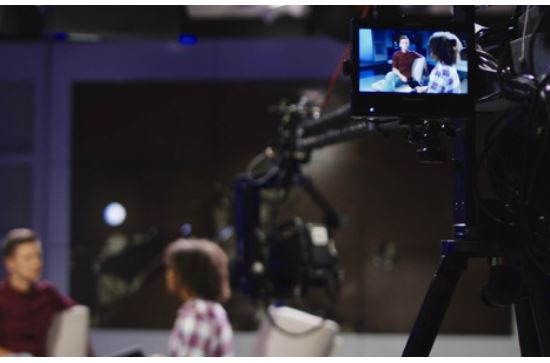
A talk show host’s workplace is usually a studio designed for recording or broadcasting shows. Studios are equipped with cameras, microphones, lighting, and seating for guests and the audience. Hosts use these spaces to conduct interviews, present segments, and interact with both live and remote audiences. The environment is fast-paced and requires the host to stay alert, follow cues from producers, and adapt to the flow of the show.
Some talk show hosts work outside the studio for on-location broadcasts or special events. This can include award shows, festivals, red carpet events, or remote interviews. These workplaces are more variable, often requiring the host to adapt to different spaces, weather conditions, or live audiences while still delivering engaging content.
In addition to the studio or location, a talk show host spends time in preparation areas. These include offices or green rooms where they research topics, review scripts, and prepare questions for guests. Hosts also collaborate with writers, producers, and production staff to plan segments, practice delivery, and ensure everything runs smoothly during live or recorded broadcasts. This combination of preparation, studio work, and occasional on-location events makes the workplace of a talk show host both dynamic and demanding.
How to become a Talk Show Host
Becoming a talk show host involves a combination of skills, education, experience, and networking. Here are steps to guide you on the path to becoming a talk show host:
- Educational Background: While formal education is not required, a degree in communication and media studies, journalism, or a related field can be helpful. It provides foundational knowledge and useful skills.
- Gain Relevant Experience: Work in broadcasting or hosting whenever possible. This could include college radio, local TV or radio internships, or volunteering at community events. Practical experience helps develop hosting skills.
- Develop a Unique Persona: Define your own hosting style. Consider what makes you different and how you can connect with an audience. Authenticity and originality are important.
- Start Small: Begin with local opportunities, such as hosting community events, small radio shows, or online podcasts. This helps refine your skills and build a following.
- Create Your Content: Make your own content through a podcast, YouTube channel, or other platforms. This showcases your hosting abilities and helps attract attention from producers or networks.
- Apply for Entry-Level Positions: Look for entry-level roles in media or broadcasting, even if not directly hosting. Positions in production, research, or assisting provide insight and experience in the industry.
- Develop Interviewing Skills: Practice asking questions and conducting interviews with different types of people. Learn how to handle conversations and adapt to different personalities.
- Build a Brand: Establish your personal brand online. Define your niche and consistently show your expertise and personality to attract an audience.
- Pitch Your Ideas: Once you have experience and content, pitch your show ideas to local stations, networks, or online platforms. Highlight what makes your show unique and why audiences will be interested.
Helpful Resources
Aspiring and established talk show hosts can benefit from a variety of resources to improve their skills, stay updated on industry trends, and learn from experienced professionals. Here are some helpful resources:
- Podcasts: Listen to podcasts about hosting, interviewing, and media trends. Examples include The School of Greatness, The Tim Ferriss Show, and The Art of Charm.
- Books: Read books by successful hosts or communication experts. Recommended titles include Talk Like TED by Carmine Gallo, How to Win Friends and Influence People by Dale Carnegie, and The Art of Asking by Amanda Palmer.
- Online Courses: Platforms like Udemy, Skillshare, and Coursera offer courses on public speaking, interviewing, and media presentation. Look for courses by reputable instructors in communication and broadcasting.
- Workshops and Seminars: Attend workshops or seminars focused on talk show hosting and media skills. Professional organizations, such as the National Association of Broadcasters (NAB), often host relevant events.
- Industry Publications: Stay updated with magazines, blogs, and news sites covering media and entertainment. Examples include Broadcasting & Cable, Variety, and Radio Ink.
- YouTube Channels: Watch interviews and discussions to observe different hosting styles. Channels like TED, The Hollywood Reporter, and various talk show channels provide valuable insights.
- Media Training Courses: Enroll in courses that focus on on-camera presence, effective communication, and handling unexpected situations to strengthen your hosting skills.
- Professional Associations: Join broadcasting, journalism, or media associations like the Broadcast Education Association (BEA) or NAB to access resources, events, and networking opportunities.
- Podcast Hosting Platforms: Platforms such as Libsyn, Podbean, and Anchor offer hosting solutions and guides for those starting their own podcast.
- Documentary and Interview Analysis: Study successful documentaries and interviews to learn techniques used by skilled hosts to engage audiences and structure content.
Certifications
While not required, certifications can enhance your skills and credibility. Examples include:
- Certified Public Relations Specialist (CPRS): Enhances knowledge of public relations and communication techniques.
- Certified Media and Communication Professional (CMCP): Covers media and communication skills for professionals.
- Certified Digital Marketing Professional (CDMP): Focuses on digital marketing, social media, and online content promotion.
Skills Needed for a Talk Show Host
A successful Talk Show Host needs a combination of communication, interviewing, research, and presentation skills to engage audiences and conduct meaningful conversations.
Soft Skills
- Excellent Communication – Speaks clearly, confidently, and effectively with diverse audiences.
- Active Listening – Pays close attention to guests' responses and asks relevant follow-up questions.
- Confidence and Charisma – Commands attention and keeps viewers engaged.
- Empathy – Makes guests feel comfortable and respected during discussions.
- Emotional Intelligence – Understands emotions and responds appropriately in sensitive situations.
- Quick Thinking – Handles unexpected situations, technical issues, or controversial topics smoothly.
- Creativity – Develops fresh ideas, interesting discussion topics, and engaging show segments.
- Public Speaking – Delivers content confidently in front of live and television audiences.
- Adaptability – Adjusts to different guests, formats, and changing production schedules.
- Interpersonal Skills – Builds rapport with guests, audiences, producers, and crew.
- Leadership – Guides conversations and helps maintain the flow of the program.
- Professionalism – Maintains ethical standards and represents the show's brand positively.
- Time Management – Keeps interviews and segments within scheduled time limits.
- Stress Management – Performs calmly under live broadcasting pressure.
- Sense of Humor – Uses appropriate humor to entertain audiences and create a relaxed atmosphere.
Hard Skills
- Interviewing Techniques – Conducts engaging, informative, and balanced interviews.
- Research Skills – Gathers accurate information about guests and discussion topics.
- Storytelling – Presents stories and discussions in an engaging and relatable way.
- Script Reading and Improvisation – Follows scripts while adapting naturally to live conversations.
- Broadcast Journalism Basics – Understands news reporting, ethics, and audience engagement.
- Presentation Skills – Hosts live events, television programs, podcasts, or online shows effectively.
- Voice Modulation and Diction – Uses clear pronunciation, tone, and pacing for maximum impact.
- Camera Presence – Appears confident and natural on camera.
- Teleprompter Operation – Reads scripts smoothly while maintaining eye contact with the audience.
- Social Media Engagement – Connects with viewers through digital platforms and promotes show content.
- Content Planning – Helps develop episode themes, guest lists, and discussion topics.
- Audience Engagement Techniques – Encourages participation through live questions, polls, and interactions.
- Media Law and Ethics Knowledge – Understands broadcasting regulations, copyright, privacy, and responsible journalism.
- Podcast and Digital Media Skills – Creates and hosts content across streaming and online platforms.
- Basic Audio and Video Production Knowledge – Understands studio equipment, microphones, lighting, and production workflows.
- Fact-Checking – Verifies information before presenting it on air.
- Crisis Communication – Manages sensitive or controversial discussions professionally.
- Networking Skills – Builds relationships with celebrities, experts, public figures, and industry professionals.
Technical Skills
- Operating studio microphones and broadcasting equipment
- Using teleprompters and broadcasting software
- Video conferencing platforms for remote interviews
- Social media live-streaming tools
- Basic video editing and content management systems
- Familiarity with podcast recording software
- Understanding studio lighting and camera angles
- Basic analytics for audience engagement and viewer feedback
Additional Qualities
- Curiosity and a passion for learning
- Strong general knowledge and awareness of current affairs
- Cultural sensitivity and inclusiveness
- Patience and diplomacy during challenging interviews
- High ethical standards and credibility
- Ability to inspire, entertain, and inform audiences consistently
Salary
The salary of a Talk Show Host varies based on experience, audience size, platform (TV, radio, podcast, or online streaming), and location.
India
- Entry-level (0–3 years): ₹3 lakh–₹6 lakh per year
- Mid-level (3–7 years): ₹6 lakh–₹15 lakh per year
- Experienced (7–15 years): ₹15 lakh–₹40 lakh per year
- Top TV Hosts/Celebrity Hosts: ₹50 lakh to several crores per year, with some earning additional income through endorsements, sponsorships, and production deals.
International (United States)
- Entry-level: $40,000–$60,000 per year
- Mid-level: $60,000–$100,000 per year
- Experienced: $100,000–$250,000+ per year
- Top National TV Talk Show Hosts: $1 million to $20 million+ per year, depending on ratings, contracts, syndication, and brand partnerships.
Factors That Affect Salary
- Experience and hosting skills
- Television, radio, podcast, or digital platform
- Audience size and program ratings
- Employer (local station, national network, or streaming platform)
- Celebrity status and personal brand
- Sponsorships, endorsements, and advertising revenue
- Geographic location and media market
In addition to their base salary, many talk show hosts earn extra income from public appearances, brand endorsements, book deals, podcast sponsorships, event hosting, and content creation on digital platforms.










User's Comments
No comments there.