


Stories you may like
Rehabilitation Nurse
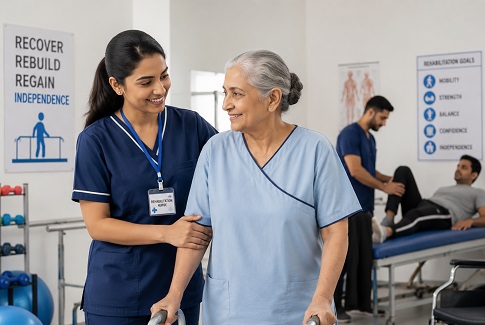
A rehabilitation nurse provides care to patients who are recovering from illness, injury, or surgery. Rehabilitation nurses work in a variety of settings, including hospitals, rehabilitation centers, and long-term care facilities. They have advanced training and knowledge in caring for patients with physical disabilities, chronic illnesses, or other conditions that require rehabilitation services.
Rehabilitation nurses work closely with patients to develop personalized care plans that address their unique needs and goals. They help patients regain their strength, mobility, and independence through a variety of therapies, including physical therapy, occupational therapy, and speech therapy. Rehabilitation nurses also provide emotional support to their patients and their families, helping them cope with the challenges of recovery and adjust to any new limitations or disabilities.
Rehabilitation nurses are highly skilled and trained professionals who are able to provide compassionate care to patients who may be struggling with significant challenges. They are essential members of the healthcare team, and their work helps patients to regain their independence and improve their quality of life.
Duties and Responsibilities
Here are some of the duties and responsibilities of rehabilitation nurses, along with detailed explanations:
- Assessing patients: One of the primary responsibilities of rehabilitation nurses is to assess the physical, emotional, and psychological needs of patients. They conduct comprehensive assessments to determine the level of care required by each patient, including evaluating their functional abilities, mobility, and cognitive status. This information helps them to develop individualized care plans that are tailored to the needs of each patient.
- Developing care plans: Based on their assessments, rehabilitation nurses develop care plans that are designed to help patients recover and regain their independence. These plans may include physical therapy, occupational therapy, and speech therapy, as well as other interventions such as wound care, pain management, and medication administration. They also work with other members of the healthcare team, such as physicians, physical therapists, and social workers, to coordinate care and ensure that patients receive the best possible treatment.
- Administering treatments: Rehabilitation nurses are responsible for administering a variety of treatments to patients, including medications, wound care, and other interventions. They monitor patients closely to ensure that they are responding to treatment and adjust their care plans as needed to promote healing and recovery.
- Educating patients and their families: Rehabilitation nurses play an important role in educating patients and their families about the recovery process and what to expect during their rehabilitation. They provide information about medications, therapies, and other treatments, as well as tips for managing symptoms and maintaining a healthy lifestyle. They also provide emotional support to patients and their families, helping them to cope with the challenges of recovery.
- Monitoring progress: Rehabilitation nurses monitor patients' progress throughout their rehabilitation, tracking their physical and emotional responses to treatment and making adjustments to their care plans as needed. They also evaluate patients' functional abilities and help them to set goals for their recovery.
- Ensuring safety: Rehabilitation nurses are responsible for ensuring that patients are safe and comfortable during their rehabilitation. They monitor vital signs, administer medications, and provide assistance with activities of daily living as needed. They also work to prevent falls, infections, and other complications that can occur during the recovery process.
- Documenting care: Rehabilitation nurses maintain detailed records of patients' care, including their assessments, care plans, and progress notes. They also document medications, treatments, and other interventions, as well as any changes in patients' condition. This documentation is important for ensuring that patients receive the best possible care and for communicating with other members of the healthcare team.
Types of Rehabilitation Nurses
There are several types of rehabilitation nurses, including:
- Acute Rehabilitation Nurses: These nurses work in acute care hospitals and provide care to patients who are recovering from serious illnesses or injuries.
- Cardiac Rehabilitation Nurses: These nurses work with patients who have heart disease or have undergone cardiac surgery to help them regain their strength and improve their quality of life.
- Occupational Rehabilitation Nurses: These nurses work with patients who have disabilities or injuries that affect their ability to perform daily tasks or work. They help patients regain their independence and teach them new skills to help them return to work.
- Pediatric Rehabilitation Nurses: These nurses work with children who have developmental, physical, or emotional disabilities. They provide care, education, and support to help children and their families manage their conditions.
- Substance Abuse Rehabilitation Nurses: These nurses work with patients who are recovering from substance abuse or addiction. They provide medical care, counseling, and education to help patients overcome their addiction and lead a healthy life.
- Traumatic Brain Injury Rehabilitation Nurses: These nurses work with patients who have suffered a traumatic brain injury, providing care and education to help them recover and manage their condition.
Workplace of a Rehabilitation Nurse
Rehabilitation nurses typically work in hospitals, rehabilitation centers, long-term care facilities, and home health agencies. The workplace of a rehabilitation nurse is fast-paced, challenging, and highly rewarding.
One of the primary responsibilities of a rehabilitation nurse is to provide comprehensive care to patients with a wide range of medical conditions. This includes administering medications, monitoring patients' vital signs, providing wound care, and assisting with activities of daily living. Rehabilitation nurses must also be knowledgeable about the unique medical conditions that affect patients who are recovering from injuries or illnesses, such as stroke, traumatic brain injury, and spinal cord injury.
In addition to providing direct patient care, rehabilitation nurses often work closely with other healthcare professionals, such as physical therapists, occupational therapists, and speech-language pathologists. They may collaborate with these professionals to develop comprehensive care plans for patients, coordinate treatment plans, and monitor patient progress.
Rehabilitation nursing can be emotionally challenging, as nurses often work with patients who are dealing with life-changing injuries or illnesses. However, many rehabilitation nurses find their work highly rewarding, as they have the opportunity to help patients regain their independence and improve their quality of life.
How to become a Rehabilitation Nurse
Here are the detailed steps that you can take to become a rehabilitation nurse:
- Obtain a Nursing Degree: To become a registered nurse, you need to obtain a nursing degree from an accredited nursing program. While it is possible to work as a rehabilitation nurse with an associate degree, having a bachelor's degree can provide more opportunities for career advancement and higher salaries.
- Obtain Licensure as a Registered Nurse: After completing your nursing degree, you must obtain licensure as a registered nurse (RN) in the state where you plan to work. Licensure requirements vary by state, but generally, you must pass the National Council Licensure Examination (NCLEX-RN) and meet other state-specific requirements, such as a criminal background check and continuing education.
- Gain Experience as a Nurse: After becoming a licensed RN, you need to gain experience in the field of nursing. You can work in a variety of healthcare settings, such as hospitals, clinics, long-term care facilities, and rehabilitation centers. Working in a rehabilitation center or hospital will give you experience in providing care to patients with various disabilities and injuries.
- Obtain Certification in Rehabilitation Nursing: The next step is to obtain certification in rehabilitation nursing. The certification is offered by the Rehabilitation Nursing Certification Board (RNCB). To be eligible for certification, you must meet certain requirements, such as having a valid RN license and at least two years of experience in rehabilitation nursing.
- Obtain a Master's Degree in Nursing (Optional): Obtaining a Master's Degree in Nursing (MSN) is optional but can help you advance your career as a rehabilitation nurse. MSN programs offer specialized coursework in rehabilitation nursing and provide opportunities for clinical experience and research. With an MSN degree, you can pursue leadership roles in rehabilitation nursing or become a nurse educator.
Certifications
There are certifications available that can help rehabilitation nurses demonstrate their expertise and enhance their professional credentials.
- Certified Rehabilitation Registered Nurse (CRRN): This certification is offered by the Rehabilitation Nursing Certification Board (RNCB) and is designed for registered nurses who work in rehabilitation settings. To be eligible for this certification, you must have a current nursing license and at least two years of experience in rehabilitation nursing. You will also need to pass a certification exam.
- Certified Brain Injury Specialist (CBIS): This certification is offered by the Brain Injury Association of America and is designed for healthcare professionals who work with patients with brain injuries. To be eligible for this certification, you must have a degree in a healthcare field and at least 500 hours of experience working with brain injury patients. You will also need to pass a certification exam.
- Certified Pediatric Rehabilitation Nurse (CPRN): This certification is offered by the Pediatric Nursing Certification Board and is designed for registered nurses who work with pediatric patients in rehabilitation settings. To be eligible for this certification, you must have a current nursing license and at least two years of experience in pediatric rehabilitation nursing. You will also need to pass a certification exam.
- Wound, Ostomy, and Continence Nursing Certification (WOCNCB): This certification is offered by the Wound, Ostomy, and Continence Nursing Certification Board and is designed for healthcare professionals who specialize in wound, ostomy, and continence care. While not specific to rehabilitation nursing, this certification may be useful for rehabilitation nurses who work with patients who have wounds or ostomies.
Associations
Here are some associations that rehabilitation nurses will find helpful:
- Association of Rehabilitation Nurses (ARN): ARN is a professional organization dedicated to promoting and advancing rehabilitation nursing practice through education, advocacy, collaboration, and research. It provides a wide range of resources for rehabilitation nurses, including continuing education opportunities, professional development resources, and networking opportunities.
- Rehabilitation Nursing Foundation (RNF): RNF is a charitable organization affiliated with ARN that supports the research and education needs of rehabilitation nurses. It provides grants and scholarships for rehabilitation nursing research and education, as well as funding for educational programs and initiatives.
- National Association of Rehabilitation Providers and Agencies (NARA): NARA is a professional organization that represents rehabilitation providers and agencies, including rehabilitation hospitals, skilled nursing facilities, home health agencies, and outpatient rehabilitation centers. It provides resources and advocacy on issues related to rehabilitation services, including reimbursement, regulatory compliance, and quality improvement.
- American Nurses Association (ANA): While not specific to rehabilitation nursing, ANA is the largest professional organization for nurses in the United States. It provides a wide range of resources and support for nurses across all specialties, including continuing education opportunities, advocacy efforts, and professional development resources.
- Commission on Rehabilitation Nursing Certification (CRNC): CRNC is a non-profit organization that provides certification for rehabilitation nurses. Its certification program is designed to validate knowledge and expertise in rehabilitation nursing and is recognized as the standard for rehabilitation nursing certification.
Skills Needed for a Rehabilitation Nurse
A rehabilitation nurse helps patients recover from injuries, surgeries, strokes, spinal cord injuries, traumatic brain injuries, chronic illnesses, and disabilities. They work closely with patients, families, physicians, therapists, and other healthcare professionals to improve patients' independence and quality of life.
Hard Skills
- Patient Assessment: Evaluate physical, emotional, cognitive, and functional health to develop individualized care plans.
- Rehabilitation Nursing Care: Assist patients in regaining mobility, strength, and independence through evidence-based nursing practices.
- Medication Administration: Safely administer medications, monitor side effects, and educate patients about their treatments.
- Wound Care: Treat and monitor surgical wounds, pressure injuries, and other chronic wounds.
- Pain Management: Assess pain levels and implement pharmacological and non-pharmacological pain relief strategies.
- Mobility Assistance: Help patients with walking, transferring, wheelchair use, and safe movement techniques.
- Assistive Device Training: Teach patients how to use walkers, crutches, wheelchairs, braces, prosthetics, and adaptive equipment.
- Neurological Care: Support patients recovering from strokes, spinal cord injuries, and traumatic brain injuries.
- Chronic Disease Management: Care for patients with conditions such as multiple sclerosis, Parkinson's disease, arthritis, and other long-term illnesses.
- Patient Education: Instruct patients and caregivers on rehabilitation exercises, home care, medication management, and lifestyle modifications.
- Infection Prevention: Follow strict infection control procedures to reduce healthcare-associated infections.
- Emergency Response: Recognize complications quickly and respond appropriately during medical emergencies.
- Electronic Health Records (EHR): Maintain accurate patient records and document progress effectively.
- Interdisciplinary Collaboration: Coordinate care with physicians, physiotherapists, occupational therapists, speech therapists, psychologists, and social workers.
Soft Skills
- Compassion and Empathy: Provide emotional support while encouraging patients throughout their recovery.
- Excellent Communication: Explain treatments clearly and maintain effective communication with patients, families, and healthcare teams.
- Patience: Understand that rehabilitation is often gradual and requires continuous encouragement.
- Critical Thinking: Make informed clinical decisions based on patient conditions and changing needs.
- Problem-Solving: Adapt care plans to overcome rehabilitation challenges and promote recovery.
- Emotional Resilience: Remain calm and supportive when working with patients facing physical and emotional difficulties.
- Teamwork: Collaborate effectively with multidisciplinary healthcare professionals.
- Leadership: Guide nursing assistants and contribute to coordinated patient care.
- Time Management: Prioritize multiple patients, treatments, and documentation efficiently.
- Adaptability: Respond effectively to changing patient conditions and rehabilitation goals.
- Motivational Skills: Encourage patients to remain engaged and committed to their rehabilitation programs.
- Cultural Sensitivity: Respect diverse cultural backgrounds and provide inclusive, patient-centered care.
- Attention to Detail: Monitor subtle changes in patient health and document observations accurately.
- Professional Ethics: Maintain patient confidentiality, dignity, and high standards of nursing practice.
These combined technical and interpersonal skills enable rehabilitation nurses to provide comprehensive care, support patient recovery, and help individuals achieve the highest possible level of independence.
Salary
A rehabilitation nurse's salary depends on qualifications, experience, specialization, healthcare facility, and country of employment.
India
- Entry-Level (0–2 years): ₹3 lakh – ₹5 lakh per year
- Mid-Level (3–7 years): ₹5 lakh – ₹8 lakh per year
- Experienced (8+ years): ₹8 lakh – ₹12 lakh per year
- Senior Rehabilitation Nurse/Nurse Manager: ₹12 lakh – ₹18 lakh+ per year
International (Approximate)
- United States: $65,000 – $110,000 per year
- Canada: CAD 65,000 – CAD 95,000 per year
- United Kingdom: £30,000 – £50,000 per year
- Australia: AUD 75,000 – AUD 110,000 per year
- United Arab Emirates (UAE): AED 72,000 – AED 144,000 per year
Factors That Influence Salary
- Educational qualifications (B.Sc. Nursing, M.Sc. Nursing, certifications in rehabilitation nursing)
- Years of clinical experience
- Type of employer (government hospital, private hospital, rehabilitation center, specialty clinic)
- Area of specialization (neurological, orthopedic, spinal cord, stroke, pediatric rehabilitation)
- Geographic location
- Leadership or supervisory responsibilities
- Additional certifications and advanced nursing skills
Rehabilitation nurses with advanced certifications, specialized expertise, and extensive experience generally earn higher salaries, particularly in specialty rehabilitation hospitals and international healthcare settings.









User's Comments
No comments there.