

Stories you may like
Acne Specialist
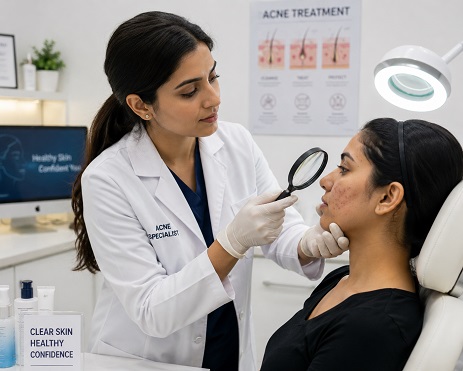
Acne specialists are skincare professionals who focus on diagnosing, treating, and managing acne and related skin conditions. Acne occurs when hair follicles become plugged with oil and dead skin cells, causing whiteheads, blackheads, or pimples to appear, typically on the face, forehead, chest, upper back, and shoulders. It is most common among teenagers, though acne affects people of all ages. Acne specialists are often trained in dermatology or esthetics and have specialized knowledge and experience in dealing with various types of acne and creating effective, personalized treatment plans.
Duties and Responsibilities
Acne specialists perform several key functions to help manage and treat acne:
- Assessment and Diagnosis – Acne specialists evaluate the type and severity of acne, identifying potential causes such as hormonal imbalances, diet, lifestyle factors, or skincare habits.
- Treatment Planning – Based on the diagnosis, they develop a personalized treatment plan that may include topical or oral medications, such as retinoids, antibiotics, or hormonal treatments, and recommend appropriate skincare products.
- In-Office Procedures – Acne specialists may perform or recommend procedures like chemical peels, microdermabrasion, laser therapy, or light therapy to reduce acne and improve skin texture and appearance.
- Education and Guidance – They educate clients on proper skincare routines, dietary changes, and lifestyle modifications that can help manage and prevent acne.
- Follow-Up Care – Continuous monitoring of the treatment progress and adjusting the plan as needed is a crucial part of the acne specialist’s role.
- Emotional Support – Recognizing the impact of acne on self-esteem and mental health, they provide emotional support and encouragement throughout the treatment process.
- Collaboration – Acne specialists often work alongside dermatologists, estheticians, and other healthcare providers to ensure comprehensive care.
Workplace of an Acne Specialist
Acne specialists can work for a range of organizations in a variety of settings, including:
- Dermatology Clinics – Dermatologists and other medical professionals specializing in skincare often work in clinics dedicated to diagnosing and treating skin conditions, including acne.
- Medical Spas (Med-Spas / Medi-Spas) – These facilities combine medical treatments with spa services and often employ estheticians, nurse practitioners, and dermatologists to provide comprehensive acne treatments.
- Private Practice – Some acne specialists, particularly dermatologists and holistic practitioners, may run their own private practices, offering personalized care.
- Hospitals and Healthcare Systems – Larger healthcare organizations and hospitals may have dermatology departments that include acne specialists as part of their team.
- Skincare and Esthetic Centers – These centers focus on beauty and skincare treatments, employing estheticians and skincare professionals with expertise in acne management.
- Research Institutions and Universities – Specialists, particularly dermatologists, may work in academic settings, conducting research and analyzing data on acne treatments and new therapies, and educating future skincare professionals.
- Product Development Companies – Companies that develop skincare products may employ acne specialists to help create and test new acne treatment products.
- Telemedicine and Online Dermatology Services – With the rise of telehealth, some acne specialists work for online platforms that provide virtual consultations and treatment plans for acne patients.
The workplace of an acne specialist can vary considerably depending on their specific role and place of employment. In all these settings, however, it is designed to facilitate patient care in a professional and hygienic environment:
- Dermatology Clinics – These are often well-equipped medical facilities with examination rooms, treatment rooms for procedures, and areas for consultations. The environment is clinical, clean, and organized to ensure patient safety and effective treatment.
- Medical Spas – These facilities combine a relaxing spa atmosphere with medical-grade treatments. The setting is usually more luxurious and calming, designed to make clients feel comfortable while receiving advanced skincare treatments.
- Private Practice – Acne specialists running their own practice may have a personalized and comfortable office setup, with a combination of clinical and consultation spaces. They have control over the ambiance and design of their workspace.
- Hospitals and Healthcare Systems – In larger healthcare settings, the workplace is more structured and may include specialized dermatology departments with state-of-the-art equipment. Collaboration with other healthcare professionals is common.
- Skincare and Esthetic Centers – In these centers the environment is typically modern and well-designed, with treatment rooms equipped with the latest skincare technology.
- Research Institutions and Universities – This workplace can include laboratories, research facilities, lecture halls and classrooms, and academic offices.
- Product Development Companies – Specialists in this setting work in office spaces and laboratories, collaborating with research and development teams.
- Telemedicine and Online Dermatology Services – Acne specialists working in telehealth often operate from home offices or dedicated telemedicine centers.
How to become an Acne Specialist
Becoming an acne specialist involves a combination of formal education, training, and obtaining the necessary certifications or licenses. Here’s a comprehensive guide on how to pursue this career:
High School Diploma or Equivalent
Most skincare programs require a high school diploma or GED as a prerequisite for enrollment.
Accredited Training Program
Enroll in an esthetics and skincare or cosmetology program accredited by a recognized body, such as the National Accrediting Commission of Career Arts and Sciences (NACCAS) or state cosmetology boards in the United States, or a similar accrediting organization in your country. These programs are offered by cosmetology schools, vocational schools, or community colleges. The number of required training hours can vary, but generally ranges from 600 to 1,500 hours. Accredited programs meet requirements for licensing and typically take six to 12 months to complete, depending on whether you attend full-time or part-time.
Seek out a curriculum with a focus on acne treatments and consisting of both classroom instruction and hands-on training in the following areas:
- Skin anatomy and physiology
- Skin conditions and disorders
- Facials and facial massage techniques
- Hair removal techniques (waxing, threading, etc.)
- Makeup application
- Use of skincare products and equipment
- Sanitation and safety procedures
- Business and client management skills
Licensing Examination
Upon completion of an accredited training program, you must pass a state or national licensing exam. The exam typically includes:
- A written test covering theoretical knowledge of skincare and treatments, including acne care
- A practical skills assessment where you demonstrate your ability to perform various esthetic procedures safely and effectively
Internship or Apprenticeship (Optional but Beneficial)
Gaining practical experience through internships or apprenticeships with dermatology clinics, medical spas, salons, or skincare centers can be highly beneficial. This practical component allows you to apply what you've learned in a real-world setting under the supervision of established professionals.
Continuing Education
The skincare industry constantly evolves, with new techniques, products, and technologies emerging regularly. Attend workshops, seminars, and continuing education courses to stay current with industry standards, trends, and advancements.
Some states or countries require estheticians, including acne specialists, to complete continuing education courses to renew and maintain their licenses.
Certifications
Here are some voluntary certifications that acne specialists may pursue to enhance their skills, credibility, and marketability in the skincare sector:
Certified Acne Specialist
- Certification Provider – Face Reality Skincare
- Best For – Estheticians, Medical Estheticians, Cosmetologists, Dermatology Nurses, Skincare Consultants, Spa Owners
- Description – The Certified Acne Specialist certification equips skincare professionals with in-depth knowledge and techniques to effectively treat acne. Focusing on a holistic approach, it covers topics such as acne causes, types, and skin analysis, as well as product ingredient selection and lifestyle factors that affect skin health. This certification involves comprehensive training on customized acne treatment plans to help clients achieve clear skin, emphasizing ongoing education to stay abreast of the latest in acne management and skincare science.
Chemical Peel Certification
- Certification Provider – Associated Skin Care Professionals (ASCP)
- Best For – Licensed Estheticians, Medical Estheticians, Spa Professionals, Cosmetologists with skincare focus, Dermatology Assistants, Skincare Specialists
- Description – The Chemical Peel Certification is a specialized program designed for estheticians seeking to enhance their expertise in chemical exfoliation treatments. This certification focuses on the safe application, potential risks, and post-treatment care of chemical peels. It covers various peel types, their ingredients, and the appropriate selection for different skin conditions. By completing this certification, professionals demonstrate their commitment to safety and efficacy in providing advanced skin care services.
Microdermabrasion Certification
- Certification Provider – The International Dermal Institute
- Best For – Estheticians, Medical Estheticians, Licensed Skincare Specialists, Cosmetologists with a focus on skincare, Spa and Salon Professionals, Dermatology Assistants
- Description – The Microdermabrasion Certification is a specialized program designed for skincare professionals seeking to enhance their expertise in advanced exfoliation techniques. This certification focuses on the safe and effective use of microdermabrasion equipment, skin assessment, and the customization of treatment protocols. Graduates of this program will be equipped with the knowledge and practical skills necessary to perform microdermabrasion services, ensuring improved skin texture and clarity for clients, while adhering to high standards of safety and hygiene.
Certified Laser Technician
- Certification Provider – National Laser Institute
- Best For – Estheticians, Medical Spa Technicians, Dermatology Assistants, Plastic Surgery Nurses, Cosmetic Laser Practitioner, Skincare Specialists
- Description – The Certified Laser Technician certification, equips individuals with the necessary skills and knowledge to safely operate medical lasers and intense pulsed light (IPL) devices. This program focuses on laser physics, safety protocols, and hands-on practice, preparing participants for a role in medical spas, dermatology offices, and plastic surgery clinics. The certification emphasizes a comprehensive understanding of skin types, hair removal, photofacials, and laser safety, ensuring technicians are proficient in both the technical and practical aspects of laser treatments.
Certified Esthetician
- Certification Provider – National Coalition of Estheticians Association (NCEA)
- Best For – Licensed Estheticians, Medical Estheticians, Spa Managers, Skincare Specialists, Cosmetic Laser Technicians, Esthetician Instructors
- Description – The Certified Esthetician credential represents a gold standard in the field of esthetics. This certification demonstrates an individual's commitment to the highest standards of practice, encompassing advanced knowledge and proficiency in skin care. Candidates undergo rigorous training and assessment, ensuring they are well-versed in various esthetic procedures, safety protocols, and client care. Achieving this certification signifies a dedication to professional development and excellence in the esthetic industry.
Master Esthetician License
- Certification Provider – State Board of Cosmetology (varies by state)
- Best For – Licensed Estheticians, Medical Estheticians, Spa Managers, Skin Care Specialists, Esthetician Instructors, Cosmetic Laser Technicians
- Description – The Master Esthetician License represents an advanced level of expertise in skin care beyond the basic esthetician license. This certification typically requires additional education and practical experience, focusing on specialized techniques such as chemical peels, laser treatments, and lymphatic drainage. Candidates must pass a rigorous examination to demonstrate their proficiency in advanced esthetic practices, safety protocols, and state regulations. This credential is essential for professionals seeking to elevate their career in the esthetics industry and provide high-level services.
Medical Esthetician Certification
- Certification Provider – National Institute of Medical Aesthetics (NIMA)
- Best For – Estheticians, Medical Spa Professionals, Dermatology Assistants, Cosmetic Surgery Assistants, Licensed Cosmetologists seeking medical specialization, Skincare Consultants with esthetic experience
- Description – The Medical Esthetician Certification is a specialized program designed for those seeking advanced knowledge in the field of medical esthetics. This certification focuses on comprehensive skincare, advanced facial treatments, and pre- and post-operative skin care. It also covers the use of medical-grade equipment and products. Graduates are equipped with the skills necessary to work alongside healthcare professionals in medical spas, dermatology offices, and plastic surgery clinics, enhancing patient care and esthetic results.
Product-Specific Certifications
- Some skincare product lines offer certifications for acne specialists who specialize in using their products.
- These certifications typically involve training on product ingredients, usage guidelines, and advanced treatment protocols.
Other Career Tracks in Acne Care
While many aspiring acne specialists follow the career path described above, the field of acne care and treatment extends beyond the esthetics sector. Here are some other options you may wish to consider:
- Bachelor’s Degree – Earn a bachelor’s degree in a relevant field such as biology, chemistry, or another pre-medicine track.
- Medical School – Earn a Doctor of Medicine (MD) or Doctor of Osteopathic Medicine (DO) degree from an accredited medical school.
- Residency – Complete a dermatology residency program, which typically lasts three years and provides in-depth training in diagnosing and treating skin conditions, including acne.
- Board Certification – Pass the American Board of Dermatology (ABD) examination or a similar certifying body, depending on the country.
- Continuing Education – Engage in ongoing education to stay current with advancements in dermatology and acne treatments.
Nurse Practitioner or Physician Assistant (with a focus on dermatology)
- Bachelor’s Degree – Earn a bachelor’s degree in a relevant field such as nursing or health science.
- Advanced Degree – Complete a Master’s or Doctoral Degree in Nursing (for nurse practitioners) or a Master’s Degree in Physician Assistant Studies.
- Clinical Training – Gain experience in dermatology through clinical rotations or specialized training.
- Certification and Licensure – Obtain certification in dermatology from a relevant certifying board and state licensure to practise.
- Continuing Education – Engage in ongoing education to maintain certification and stay informed about new acne treatments.
Holistic or Naturopathic Physician (focusing on acne)
- Bachelor's Degree – Complete a bachelor’s degree, often in a field related to health science.
- Naturopathic Medical School – Earn a degree from a recognized naturopathic medical school, which typically involves a four-year program focusing on natural and holistic approaches to healthcare.
- Licensure – Obtain a license to practice as a naturopathic doctor (ND) if applicable in your region.
- Specialized Training – Pursue additional education or certifications in holistic acne treatments and natural skincare.
- Continuing Education – Keep up with the latest research and developments in holistic and natural acne treatments.
Professional Organizations
These are among the most prominent professional organizations catering to acne specialists and skincare professionals:
- Society of Dermatology SkinCare Specialists (SDSS) – SDSS offers certification, educational resources, and networking opportunities for skincare professionals, including those specializing in acne treatments.
- American Academy of Dermatology (AAD) – A leading organization for dermatologists, the AAD offers resources, educational materials, and guidelines related to acne treatment and skin care. Membership provides access to conferences, journals, and networking opportunities.
- American Society for Dermatologic Surgery (ASDS) – This organization focuses on dermatologic surgery, including advanced treatments for acne and acne scars. It offers specialized training, certifications, and educational resources.
- Society of Dermatology Physician Assistants (SDPA) – The SDPA offers resources and continuing education for physician assistants specializing in dermatologic care, including acne management.
- Dermatology Nurses' Association (DNA) – The DNA provides resources. continuing education, and certification for nurses and nurse practitioners in dermatology, including those specializing in acne treatment.
- American Society for Aesthetic Plastic Surgery (ASAPS) – ASAPS focuses on esthetic plastic surgery and cosmetic procedures, including acne treatments. It offers resources and educational opportunities for professionals in the field.
- International Society of Aesthetic Plastic Surgery (ISAPS) – ISAPS is an international organization that provides a platform for esthetic plastic surgeons and specialists to share knowledge and advancements in cosmetic and acne procedures.
- International Association for Physicians in Aesthetic Medicine (IAPAM) – The IAPAM offers certification programs and training focused on esthetic medicine, including acne treatments. It provides education and resources for both medical professionals and estheticians.
- American Med Spa Association (AmSpa) – AmSpa provides legal, business, and clinical training resources to build legally compliant, profitable, and safe medical esthetic practices.
- National Coalition of Estheticians, Manufacturers / Distributors and Associations (NCEA) – The NCEA represents estheticians and skincare professionals, offering certification programs, including those focusing on acne treatment and advanced skincare techniques.
- American Holistic Health Association (AHHA) – This associations supports holistic and integrative approaches to health, including skincare and acne treatment. It offers resources and networking opportunities for practitioners who incorporate holistic methods.
Skills Needed for an Acne Specialist
An Acne Specialist needs a combination of medical knowledge, skin-care expertise, practical treatment skills, and strong patient-care abilities. The exact requirements depend on whether the professional is a dermatologist, aesthetician, or skincare specialist, because diagnosis and prescription of medicines require appropriate medical qualifications.
1. Strong Knowledge of Skin Anatomy
- Understand the structure and functions of the skin.
- Know the roles of sebaceous glands, hair follicles, and pores.
- Understand how oil production, dead skin cells, bacteria, and inflammation contribute to acne.
- Recognize how different skin types respond to treatments.
2. Acne Assessment and Identification
- Identify different forms of acne, such as blackheads, whiteheads, papules, pustules, nodules, and cysts.
- Assess acne severity and distribution.
- Recognize acne-related redness, pigmentation, and scarring.
- Distinguish acne from other skin conditions that may look similar.
3. Treatment Planning
- Develop individualized skincare and treatment plans.
- Select appropriate treatments according to acne type and severity.
- Monitor treatment progress and modify the plan when necessary.
- Understand when a patient should be referred to a dermatologist or other medical professional.
4. Knowledge of Acne Medications
For qualified medical professionals, knowledge may include:
- Topical retinoids
- Benzoyl peroxide
- Topical antibiotics
- Oral antibiotics
- Hormonal treatments
- Isotretinoin and its safety requirements
An acne specialist should understand appropriate use, possible side effects, contraindications, and the importance of professional supervision.
5. Skincare Product Knowledge
- Understand cleansers, moisturizers, sunscreens, serums, and acne treatments.
- Know which ingredients are useful for acne-prone skin.
- Recognize ingredients that may irritate sensitive skin.
- Recommend non-comedogenic products when appropriate.
- Understand how to introduce active ingredients gradually.
6. Chemical Peel Skills
Where professionally qualified, an acne specialist may use chemical peels to help manage acne and post-acne marks.
- Understand different types of chemical peels.
- Select appropriate peel strength.
- Follow correct preparation and application procedures.
- Recognize possible complications.
- Provide appropriate aftercare instructions.
7. Acne Scar Management
- Identify different types of acne scars.
- Understand treatment options such as microneedling, chemical peels, lasers, and other procedures.
- Assess whether a patient is suitable for a particular procedure.
- Explain realistic treatment expectations.
- Monitor healing and treatment results.
8. Skin Analysis Skills
- Carefully examine the patient's skin.
- Assess oiliness, dryness, sensitivity, pigmentation, inflammation, and scarring.
- Use appropriate skin-analysis equipment when available.
- Document changes through photographs or clinical records where appropriate.
9. Infection Control and Hygiene
- Maintain a clean and hygienic treatment environment.
- Follow appropriate infection-control procedures.
- Properly clean and disinfect equipment.
- Use protective equipment when required.
- Dispose of clinical or contaminated materials safely.
10. Communication Skills
- Explain the causes and treatment of acne in simple language.
- Give clear skincare instructions.
- Explain possible treatment side effects.
- Answer patient questions patiently.
- Ensure patients understand how and when to use recommended treatments.
11. Empathy and Emotional Intelligence
Acne can affect a person's confidence and emotional well-being. An acne specialist should:
- Listen without judgment.
- Treat patients with sensitivity and respect.
- Understand concerns about appearance.
- Avoid making patients feel embarrassed about their skin.
- Provide encouragement during long treatment periods.
12. Attention to Detail
- Carefully observe changes in skin condition.
- Identify irritation or unexpected reactions.
- Record treatment history accurately.
- Follow treatment protocols precisely.
- Pay attention to patient-reported symptoms.
13. Problem-Solving Skills
- Identify possible reasons when treatment is not working.
- Recognize poor treatment adherence.
- Adjust skincare recommendations appropriately within their scope of practice.
- Identify situations requiring specialist referral.
- Respond appropriately to treatment-related complications.
14. Patient Education
An acne specialist should teach patients about:
- Proper cleansing techniques.
- Avoiding excessive scrubbing or picking.
- Sun protection.
- Correct use of skincare products.
- Importance of treatment consistency.
- Appropriate expectations about how long acne treatment may take.
15. Record-Keeping Skills
- Maintain accurate patient records.
- Document skin assessments and treatments.
- Record products or procedures used.
- Track treatment progress.
- Maintain patient confidentiality.
16. Knowledge of Lifestyle Factors
A specialist should understand factors that may influence acne, including:
- Hormonal changes
- Stress
- Certain medications
- Cosmetic products
- Skincare habits
- Diet and individual triggers
Lifestyle advice should be evidence-based rather than based on unsupported claims.
17. Professional and Ethical Skills
- Maintain patient confidentiality.
- Obtain appropriate consent before procedures.
- Avoid making unrealistic promises about results.
- Work within professional qualifications and legal scope of practice.
- Refer complicated cases to qualified medical professionals.
18. Continuous Learning
Acne treatments and dermatology techniques continue to develop. An acne specialist should:
- Attend professional training programs.
- Learn about new treatment technologies.
- Follow current clinical guidelines.
- Participate in workshops and continuing education.
- Keep knowledge of skincare ingredients and procedures up to date.
Key Skills at a Glance
Medical/Technical Skills:
Skin anatomy, acne assessment, treatment planning, medication knowledge, skincare knowledge, chemical peels, scar management, skin analysis, infection control.
Soft Skills:
Communication, empathy, patience, observation, problem-solving, professionalism, active listening, attention to detail, and patient education.
Salary
The salary of an Acne Specialist depends heavily on their qualification, experience, location, workplace, and whether they work as a dermatologist, aesthetician, or skincare professional.
Approximate Salary Range
- Entry-level: ₹15,000 – ₹25,000 per month
- 1–3 years of experience: ₹25,000 – ₹40,000 per month
- 3–5 years of experience: ₹40,000 – ₹70,000 per month
- Experienced specialists: ₹70,000 – ₹1,20,000+ per month
- Senior Dermatologists / Clinic Owners: ₹1,00,000 – ₹3,00,000+ per month
Annual Income
An acne-focused skincare professional may earn approximately ₹1.8 lakh – ₹14 lakh+ per year, while qualified dermatologists with established practices can earn considerably more.
Factors Affecting Salary
- Educational qualification and medical specialization
- Years of experience
- City and location
- Dermatology clinic or hospital
- Private skincare/aesthetic clinic
- Number and type of procedures performed
- Reputation and patient base
- Whether the professional owns a clinic










User's Comments
No comments there.