


Stories you may like
Voice Actor
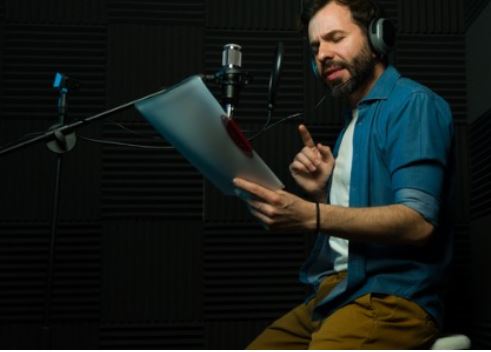
Voice actors are performers who use their voice to bring characters to life in animations, video games, films, television shows, commercials, radio dramas, audiobooks, and other media. Skilled in vocal expression, timing, and characterization, they convey emotion, personality, and depth through a variety of tones, accents, and inflections.
Some voice actors, such as Mel Blanc, Nancy Cartwright, and Mark Hamill, have become synonymous with their most famous roles, leaving a lasting impact on generations of fans.
Duties and Responsibilities
These are the primary responsibilities of a voice actor:
- Script Study and Interpretation – understanding and interpreting scripts to accurately portray characters and deliver lines effectively
- Character Voice Creation – developing unique and appropriate voices for different characters, considering factors like age, gender, personality, and background
- Vocal Warm-up – performing vocal exercises and warm-ups to prepare the voice for recording
- Vocal Performance – delivering / recording lines with the right tone, emotion, and inflection to bring characters to life and convey their feelings and intentions
- Collaboration – working closely with directors, producers, sound engineers, and other voice actors to achieve the desired performance and meet the project's requirements
- Adaptability – adapting to different styles and genres, from comedic to dramatic, and adjusting performances based on feedback and direction
- Voice Maintenance – taking care of their voice through proper vocal warm-ups, hydration, and avoiding strain to ensure consistent and high-quality performances
- Administration – updating and maintaining professional profiles, portfolios, and demo reels; organizing and archiving past work and recordings for future reference
Types of Voice Actors
Now that we have a sense of the general scope of the voice actor’s work, let’s look at some different types of these actors, each specializing in specific areas of the voiceover industry:
- Animation Voice Actors specialize in providing voices for animated characters in cartoons, feature films, and video games. They often create unique and expressive voices to bring a wide range of characters to life.
- Commercial Voice Actors focus on recording voiceovers for television and radio commercials, promotional videos, and advertisements. They typically have a versatile and engaging voice suitable for selling products or services.
- Narrative or Audiobook Narrators narrate audiobooks, documentaries, and educational materials. They need to have excellent storytelling skills or voices suitable for instructional and informational content, and the ability to maintain listener engagement over longer periods.
- Video Game Voice Actors provide voices for characters in video games, including protagonists, antagonists, and supporting roles. They often need to perform various lines and reactions based on different gameplay scenarios.
- ADR (Automated Dialogue Replacement) Voice Actors rerecord and synchronize voices for film and television productions to replace or enhance existing dialogue, especially in post-production.
- Promotional or Trailer Voice Actors specialize in recording voiceovers for movie trailers, television show promos, and other promotional materials. They often have a dramatic and captivating voice to build anticipation and excitement.
- Character or Impersonation Voice Actors mimic and impersonate well-known celebrities, historical figures, or fictional characters. They need to have a talent for capturing the unique voice and mannerisms of the person or character they are imitating.
- Foreign Language Dubbing Voice Actors provide voiceovers for dubbing foreign-language films, television shows, and animations into other languages. They need to be fluent in multiple languages and capable of conveying the original performance's emotion and tone.
- Live Announcers or Event Hosts work at live events and broadcasts, providing live commentary, introductions, and announcements. They need to have excellent public speaking skills and the ability to engage and entertain live audiences.
Voice actors may choose to specialize in one or more of these areas based on their interests, skills, and market demand, establishing themselves as experts and attracting specific kinds of clients and opportunities.
Workplace of a Voice Actor
Voice actors can work for a variety of organizations and individuals across different industries. These are among their most common employers:
- Animation Studios employ voice actors to provide voices for characters in animated films, television shows, and web series.
- Video Game Developers and Publishers hire voice actors to voice characters in video games, including protagonists, antagonists, and supporting roles.
- Advertising Agencies employ voice actors for recording voiceovers for television and radio commercials, online advertisements, and promotional videos.
- Film and Television Production Companies hire voice actors for ADR (Automated Dialogue Replacement), narration, and character voice roles in films, television shows, and documentaries.
- Audiobook Publishers employ voice actors to narrate and produce audiobooks for various genres, including fiction, nonfiction, and educational content.
- E-Learning and Corporate Training Companies hire voice actors to record voiceovers for e-learning courses, training videos, instructional materials, and corporate presentations.
- Radio Stations employ voice actors for radio commercials, jingles, and promotional announcements.
- Theater Companies hire voice actors for voice roles in live theatre productions, radio dramas, and audio plays.
- Dubbing and Localization Companies employ voice actors for dubbing foreign-language films, television shows, and animations into other languages.
- Gaming Companies and Platforms collaborate with voice actors to provide live commentary, streaming, and hosting services for gaming events, tournaments, and broadcasts.
- Event Organizers and Production Companies hire voice actors for live announcing, event hosting, and emceeing at live events, conferences, conventions, and award ceremonies.
Voice actors may also work as freelancers and independently, offering their services to clients directly, often through their own home studios or online platforms.
The work environments for voice actors can vary widely. The following are some typical settings in which these actors find themselves:
- Recording Studios – Many voice actors work in professional recording studios, either in-house at production companies, animation studios, or advertising agencies, or at commercial recording studios. These studios are equipped with high-quality recording equipment, soundproof booths, and professional sound engineers to ensure the best possible recording quality.
- Home Studios – With advancements in technology and equipment, many voice actors have their own home recording studios. These studios are often equipped with professional microphones, recording software, soundproofing materials, and acoustic treatments to create a professional recording environment. This allows voice actors to independently record and edit their performances and digitally send the final recordings to clients and casting directors.
- Remote Work – Voice actors can work remotely from anywhere in the world, providing voiceover services to clients and production companies globally. They may collaborate with clients and directors via video conferencing tools, email, and phone to discuss scripts, direction, and feedback.
- On Stage and Broadcast Settings – These are common work spaces for voice actors working at live events.
- Travel – Depending on the project, voice actors may need to travel to different locations for recording sessions, live events, promotional appearances, and voiceover work.
- Online Platforms and Marketplaces – Many voice actors find work through online platforms, websites, and marketplaces that connect voice actors with clients and projects worldwide. These entities provide users with tools to manage their profiles, auditions, and projects online.
It’s important to note that the voice actor’s workday can be unpredictable, calling for flexibility and the capacity to juggle multiple projects and auditions simultaneously.
How to become a Voice Actor
There are no strict educational requirements to become a voice actor, as talent and skill are generally considered more important than formal education in the field. However, many voice actors choose to pursue training and education to develop and enhance their knowledge, skills, and techniques in voice acting, acting, and vocal performance. Here’s an overview of potential pathways to the career:
High School Diploma or Equivalent
Earn a high school diploma or equivalent. High school education provides a foundation in basic communication and organizational skills, and it lays the groundwork for further learning. Throughout your high school years, take drama and theater classes. Join drama clubs and participate in school plays to gain practical experience and develop your acting abilities.
Develop Your Voice and Acting Skills
- Vocal Training – Enroll in a specialized voiceover training program or take private voice lessons with a vocal coach or teacher to develop your vocal range, control, and technique. Do breathing exercises, vocal warm-ups, and articulation exercises to improve your vocal quality and stamina. Examples of voice acting / voiceover schools and academies include Such A Voice, Voice One, Gravy for the Brain, VOHeroes, VoiceActing Academy, and Global Voice Acting Academy.
- Singing Lessons – Take singing lessons to learn proper breathing techniques and pitch control.
- Acting Classes – Take acting or theatre arts classes or workshops to learn acting techniques, character development, script analysis, emotional expression, and auditioning skills. Voice acting is not just about having a good voice; it's about conveying emotions and bringing characters to life through your voice.
- Improvisation and Cold Reading – Practise improvisation and cold reading skills to be able to quickly adapt to different scripts, characters, and directions.
- Communication and Public Speaking – Take communication courses or workshops to improve your verbal communication, articulation, pronunciation, and diction skills. Participate in public speaking training, seminars, or Toastmasters International programs to develop confidence, poise, and presentation skills in front of an audience.
Broadcasting and Audio Production Courses
- Broadcasting or Media Studies – Take courses or obtain a degree in broadcasting, media studies, communications, or a related discipline to learn about radio broadcasting, audio production, scriptwriting, and media ethics.
- Audio Production and Engineering Courses – Consider taking sound production and engineering courses or workshops to learn about recording technology, sound equipment, microphone techniques, sound editing, and audio mixing.
Build a Professional Home Studio
- Equipment – Invest in a high-quality microphone, headphones, audio interface, and recording software to create professional-quality recordings.
- Soundproofing – Set up a quiet and acoustically treated space in your home for recording to minimize background noise and echo.
- Technical Skills – Learn how to operate recording equipment and audio editing software to record, edit, and produce your voiceover demos and final recordings.
Create a Voice Acting Demo Reel
- Choose Your Best Work – Select a variety of your best voiceover performances that showcase your vocal range, versatility, and acting skills.
- Professional Editing – Edit and compile your recordings into a concise and engaging demo reel that highlights your strengths and abilities as a voice actor.
Include a Variety of Samples – Include a variety of character voices, accents, tones, and styles to showcase your range and versatility as a voice actor.
Create an Online Presence
- Voice Acting Profiles – Create profiles on online platforms and websites for voice actors, such as Voices.com, Voice123, and Casting Call Club, to showcase your demo reel, portfolio, and resume.
- Personal Website – Create a professional website or blog to showcase your voice acting work, demo reel, and resume. Include contact information, a biography, testimonials, and links to your social media profiles.
- Social Media – Utilize social media platforms like LinkedIn, X (formerly Twitter), Instagram, and Facebook to network with other voice actors, industry professionals, and potential clients. Share your work, industry news, and engage with your audience to build your online presence and personal brand.
Continuing Education and Professional Development
- Professional Workshops and Seminars – Take advanced voice acting classes, workshops, and seminars to improve your skills, learn new techniques, and stay updated on industry trends and developments.
- Voice Acting Books and Resources – Read books, articles, and blogs about voice acting, acting techniques, character development, vocal training, and the voiceover industry.
- Voice Acting Podcasts and Webinars – Listen to voice acting podcasts, watch webinars, and participate in online courses offered by voice acting schools, coaches, and industry experts.
- Networking – Attend voice acting conferences, conventions, and networking events to meet other voice actors, casting directors, agents, and industry professionals. Networking is essential for finding job opportunities, getting referrals, and building relationships within the industry.
Find a Voice Acting Agent or Talent Agency
- Research and Outreach – Research and identify reputable voice acting agents and talent agencies that represent voice actors. Send your demo reel, resume, and a personalized cover letter to potential agents and agencies to introduce yourself and express your interest in representation.
- Auditions and Casting Calls – Work with your agent to audition for voice acting roles, casting calls, and job opportunities. Establish relationships with casting directors, producers, and clients.
Gain Experience and Build Your Portfolio
- Volunteer and Collaborate – Volunteer for local community theater productions, student films, independent projects, and online collaborations to gain experience, build your portfolio, and develop your voice acting skills.
- Freelance Opportunities – Look for freelance voice acting opportunities on online platforms, websites, and marketplaces. Offer your voiceover services for commercials, animations, video games, audiobooks, podcasts, and other projects to gain experience, build your client base, and expand your portfolio.
Stay Persistent and Persevere
- Auditions and Rejections – Be prepared for rejection and keep auditioning for voice acting roles. Stay persistent, motivated, and committed to improving your skills, building your portfolio, and pursuing your voice acting career.
- Continued Practice and Improvement – Continuously practise and improve your voice acting skills, expand your vocal range, develop new character voices, and refine your acting techniques to become a versatile and in-demand voice actor.
Professional Organizations
There are several professional organizations and unions that represent and support voice actors, providing resources, advocacy, and networking and professional certification opportunities. Here’s a sampling:
- World-Voices Organization (WoVO) – WoVO is a non-profit organization whose mission is to communicate the importance of voice acting to the public and business leaders, and affirm the power of professional quality voicing and recording. It also educates members of the voiceover community and other business professionals about best practices, standards for ethical conduct, and professional expertise as it relates to the voiceover industry.
- Audio Publishers Association (APA) – APA is dedicated to promoting the growth and success of the audiobook industry. It offers support for audiobook publishers, producers, narrators, and voice actors, and provides guidelines, standards, and best practices for audiobook production and narration.
- Society of Accredited Voice Over Artists (SaVoa) – SaVoa is a non-profit membership organization dedicated to promoting professionalism and ethical standards in the voiceover industry. It offers a directory of accredited voiceover artists and resources for voice actors.
- Audio Engineering Society (AES) – AES is a professional organization dedicated to the advancement of audio technology and the audio engineering industry. It provides standards, guidelines, and best practices for audio recording, production, and engineering.
- Society of Voice Arts and Sciences (SOVAS) – SOVAS is a non-profit organization dedicated to promoting excellence, creativity, and professionalism in the voiceover and media industries.
- Screen Actors Guild-American Federation of Television and Radio Artists (SAG-AFTRA) – SAG-AFTRA is a labor union representing actors, announcers, broadcast journalists, dancers, DJs, news writers, news editors, program hosts, puppeteers, recording artists, singers, stunt performers, voiceover artists, and other media professionals. It negotiates and enforces contracts for actors working in film, television, commercials, and digital media, and also provides health and pension benefits.
- Actors' Equity Association (AEA) – The AEA is the labor union representing professional stage actors and stage managers in the United States. It negotiates and enforces contracts for actors and stage managers working in Equity theaters, and also provides health and pension benefits.
- The Actors' Centre (UK) – The Actors' Centre is a membership organization that supports actors throughout their careers in the UK. It provides rehearsal and performance spaces for members and offers guidance, counseling, and support services for actors.
- Association of Talent Agents (ATA) – ATA is the trade association representing talent agencies and talent agents in the United States. It represents over 110 talent agencies, including agencies representing actors, voice actors, writers, directors, and other talent in the film, TV, and entertainment industry.
Skills Needed for a Voice Actor
A Voice Actor uses their voice to bring characters, scripts, advertisements, audiobooks, games, animations, and other content to life. Success requires strong vocal ability, acting skills, and technical knowledge.
1. Voice Control
- Control pitch, volume, tone, and pace.
- Change vocal qualities to suit different characters.
- Maintain a clear and consistent voice.
- Use breathing techniques effectively.
2. Acting Skills
- Express emotions naturally through the voice.
- Understand character personalities and motivations.
- Deliver dialogue convincingly.
- Perform different characters with distinct voices.
3. Pronunciation and Diction
- Speak words clearly and accurately.
- Maintain good articulation.
- Handle difficult names, technical terms, and unfamiliar words.
- Adapt pronunciation to different languages or accents when required.
4. Emotional Expression
- Convey happiness, sadness, anger, fear, excitement, and other emotions.
- Match the emotional tone of a scene.
- Create believable emotional changes during dialogue.
5. Accent and Dialect Skills
- Perform different regional or international accents.
- Maintain consistency throughout a performance.
- Learn new accents through listening and practice.
6. Script Reading
- Understand scripts quickly.
- Interpret character directions and stage instructions.
- Identify pauses, emphasis, and changes in emotion.
- Deliver lines naturally rather than simply reading them.
7. Improvisation
- Respond creatively when lines or situations change.
- Create natural dialogue when required.
- Adapt quickly during recording sessions.
8. Microphone Technique
- Maintain the correct distance from the microphone.
- Control breathing and unwanted mouth noises.
- Avoid excessive popping and distortion.
- Adjust vocal projection for different recording requirements.
9. Audio Recording Skills
- Understand basic recording equipment.
- Operate microphones, headphones, and audio interfaces.
- Use digital audio workstation (DAW) software.
- Perform basic editing and noise reduction.
10. Character Voice Development
- Create unique and memorable voices.
- Modify pitch, rhythm, accent, and speaking style.
- Maintain a character's voice consistently across multiple sessions.
11. Listening Skills
- Carefully follow directors' instructions.
- Listen to reference recordings.
- Identify differences in pronunciation, timing, and emotional delivery.
- Accept and apply feedback quickly.
12. Stamina and Vocal Care
- Maintain vocal quality during long recording sessions.
- Use proper breathing and warm-up techniques.
- Avoid unnecessary strain on the voice.
- Understand basic vocal health practices.
13. Creativity
- Experiment with different vocal styles.
- Develop original character voices.
- Find creative ways to communicate personality and emotion.
14. Professionalism
- Arrive prepared and on time.
- Memorize or understand scripts before recording.
- Work well with directors, producers, and other actors.
- Meet deadlines and follow production requirements.
15. Adaptability
- Work across animation, films, advertisements, video games, audiobooks, podcasts, dubbing, and e-learning.
- Adjust performance according to the target audience and project.
- Switch between characters and vocal styles quickly.
Key Skills at a Glance
Core skills: Voice control, acting, pronunciation, emotional expression, script interpretation, character development, improvisation, microphone technique, and audio recording.
Soft skills: Creativity, confidence, patience, active listening, adaptability, teamwork, and professionalism.
oice acting is usually project-based or freelance, so income can vary significantly rather than following one fixed monthly salary. Current salary sources also show substantial differences between datasets.
Approximate Annual Salary
- United States: $35,000 – $150,000+; some current salary sources place the typical range around $41,000–$54,000, while other datasets report substantially higher averages for professional voice actors.
- Canada: C$45,000 – C$100,000+
- United Kingdom: £25,000 – £70,000+
- Australia: A$45,000 – A$100,000+
- Germany: €35,000 – €80,000+
- France: €30,000 – €70,000+
- Japan: ¥3 million – ¥8 million+
- South Korea: ₩30 million – ₩80 million+
- India: ₹1.2 lakh – ₹12 lakh+
- Brazil: R$30,000 – R$100,000+
- Mexico: MX$150,000 – MX$500,000+










User's Comments
No comments there.