


Stories you may like
Hairdresser
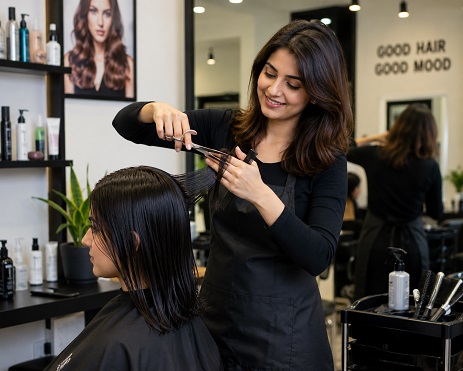
A hairdresser specializes in cutting, styling, coloring, and treating hair. These professionals work in salons, spas, or freelance settings, catering to clients of various ages, genders, and hair types.
Hairdressers possess expertise in using a wide range of tools and products to achieve desired hairstyles, including scissors, razors, blow dryers, curling irons, and various hair care products. They consult with clients to understand their preferences and recommend suitable hairstyles based on factors such as face shape, hair texture, and lifestyle. Additionally, hairdressers provide hair care advice and recommend products to maintain the health and appearance of clients' hair between appointments.
Duties and Responsibilities
The duties and responsibilities of a hairdresser encompass a wide range of tasks related to hair care, styling, and customer service. Here are some key responsibilities:
- Hair Cutting and Styling: Hairdressers are skilled in cutting and styling hair according to clients' preferences and facial features. They use various techniques, tools, and products to achieve desired looks, whether it's a simple trim, a layered cut, or an intricate hairstyle for a special occasion.
- Hair Coloring and Treatment: Hairdressers perform hair coloring services, including highlights, lowlights, balayage, and full-color treatments. They also provide hair treatments such as deep conditioning, keratin treatments, and scalp massages to improve the health and appearance of clients' hair.
- Consultation: Before performing any service, hairdressers consult with clients to understand their desired hairstyle, hair type, lifestyle, and maintenance preferences. They offer expert advice and recommendations based on their knowledge and expertise.
- Product Recommendation: Hairdressers recommend hair care products, including shampoos, conditioners, styling products, and treatments, to help clients maintain their hairstyle and keep their hair healthy between salon visits.
- Customer Service: Providing excellent customer service is a crucial aspect of a hairdresser's role. They greet clients warmly, listen attentively to their needs, and ensure they feel comfortable and satisfied throughout their salon experience.
- Sanitation and Hygiene: Hairdressers maintain cleanliness and hygiene standards in the salon by sanitizing tools, equipment, and workstations regularly. They adhere to health and safety protocols to ensure the well-being of clients and staff.
- Continuing Education: To stay current with industry trends and techniques, hairdressers participate in ongoing education and training programs. They attend workshops, seminars, and classes to enhance their skills and expand their knowledge.
Workplace of a Hairdresser
The workplace of a hairdresser can vary depending on factors such as the type of salon, clientele, and geographic location. Generally, hairdressers work in well-equipped salons that provide a comfortable and inviting environment for both clients and staff. These salons may range from small, independently owned establishments to large, upscale chains located in urban areas or shopping centers.
Inside the salon, hairdressers typically have their own workstation equipped with essential tools and equipment such as styling chairs, mirrors, sinks, and a variety of hair care products. The atmosphere is often lively and energetic, with music playing in the background and a buzz of conversation as stylists interact with clients and colleagues. Some salons may offer additional amenities such as refreshments, magazines, or complimentary Wi-Fi to enhance the client experience.
The work schedule of a hairdresser can vary, with many working full-time, including evenings and weekends to accommodate clients' busy schedules. Flexibility in scheduling is common, allowing hairdressers to balance work and personal commitments. Additionally, some hairdressers may choose to work as freelancers, renting booth space in a salon or offering mobile services to clients in their homes or other locations.
How to become a Hairdresser
becoming a hairdresser requires dedication, hard work, and a passion for the art of hairstyling. Here are the steps you can take to become a hairdresser:
- Education: Obtain a high school diploma or equivalent. While not always required, it's beneficial to have a strong educational foundation.
- Complete a Cosmetology Program: Enroll in a state-approved cosmetology program at a vocational school, community college, or specialized cosmetology school. These programs typically last around 9-12 months and cover topics such as hair cutting, styling, coloring, chemical treatments, and salon management.
- Obtain State Licensure: After completing your cosmetology program, you'll need to pass a state licensing exam. The exam typically includes a written portion and a practical demonstration of your skills. Requirements for licensure vary by state, so it's essential to research the specific requirements in the state where you plan to work.
- Gain Experience: Start gaining hands-on experience by working as an apprentice or assistant in a salon. This allows you to further develop your skills under the guidance of experienced professionals.
- Build a Portfolio: As you gain experience, start building a portfolio showcasing your work. Include photos of hairstyles you've created, before-and-after transformations, and any special techniques or styles you excel in.
- Obtain Employment or Start Your Own Business: Once you're licensed and have gained sufficient experience, you can seek employment at a salon or spa, or consider starting your own business as a freelance hairdresser. Networking and building relationships with clients and industry professionals can help you establish yourself in the field.
- Continuing Education: Stay current with industry trends and techniques by participating in continuing education courses, workshops, and seminars. This helps you stay competitive in the field and expand your skills.
Certifications
There are several reputable certification programs and credentials that hairdressers can pursue to enhance their skills and expertise in specific areas of hairdressing. Here are some examples:
- Redken Certified Colorist (RCC): Offered by Redken, this certification program focuses on advanced color theory, techniques, and product knowledge. It demonstrates proficiency in Redken hair color products and techniques.
- L'Oréal Professionnel Color Specialist: L'Oréal Professionnel offers a certification program that provides in-depth training in hair coloring techniques using L'Oréal Professionnel color products. It covers advanced color theory, formulation, and application techniques.
- American Board of Certified Haircolorists (ABCH): The ABCH offers certification for hair colorists who demonstrate a high level of skill and expertise in hair coloring. The certification process includes a written exam and a hands-on practical exam.
- Great Lengths Certified Hair Extension Specialist: Great Lengths offers a certification program for hairdressers who want to specialize in hair extensions. The program covers installation, maintenance, and styling of Great Lengths hair extensions.
- Olaplex Certified Stylist: Olaplex offers a certification program for stylists who specialize in hair treatments using Olaplex products. The certification demonstrates proficiency in using Olaplex to repair and strengthen hair during chemical processes.
- DevaCurl Certified Stylist: DevaCurl offers a certification program for stylists who specialize in cutting and styling curly hair using the DevaCurl method. The certification covers cutting techniques, product knowledge, and styling methods for curly hair.
- Wella Professionals Master Color Expert: Wella Professionals offers a certification program for colorists who want to become Master Color Experts. The program covers advanced color theory, formulation, correction techniques, and personalized client consultations.
- Schwarzkopf Professional Certified Colorist: Schwarzkopf Professional offers a certification program for colorists who want to specialize in using Schwarzkopf Professional color products. The program covers advanced color techniques, product knowledge, and client consultation skills.
- Pravana Certified Chromasilk Colorist: Pravana offers a certification program for colorists who want to specialize in using Pravana Chromasilk color products. The program covers advanced color theory, formulation, and creative coloring techniques.
Skills Needed for a Hairdresser
Technical Skills
- Hair Cutting: Ability to perform basic and advanced haircuts for different hair types and face shapes.
- Hair Styling: Knowledge of blow-drying, straightening, curling, braiding, and creating different hairstyles.
- Hair Coloring: Understanding of hair dyes, highlights, lowlights, balayage, bleaching, and color correction.
- Hair Treatments: Ability to provide treatments such as conditioning, keratin treatments, scalp treatments, and hair repair.
- Hair Washing & Conditioning: Proper techniques for shampooing, conditioning, and preparing hair for styling.
- Hair Texture Knowledge: Understanding straight, wavy, curly, and coily hair and how to work with each type.
- Use of Tools: Safe and effective use of scissors, razors, combs, brushes, hair dryers, straighteners, and curling irons.
- Scalp & Hair Assessment: Ability to identify common hair and scalp concerns and recommend suitable professional care.
- Hygiene & Sanitation: Maintaining clean tools, workstations, towels, and salon equipment.
Soft Skills
- Communication Skills: Understanding clients' requirements and explaining suitable hairstyles and treatments clearly.
- Creativity: Developing attractive and personalized hairstyles based on current trends and individual preferences.
- Customer Service: Making clients feel comfortable, respected, and satisfied with their salon experience.
- Attention to Detail: Ensuring accurate cutting, coloring, styling, and finishing.
- Patience: Remaining calm and attentive, especially during lengthy treatments.
- Time Management: Completing services efficiently while maintaining quality.
- Listening Skills: Carefully understanding what the client wants before beginning a service.
- Problem-Solving: Handling issues such as uneven cuts, unwanted color results, or difficult hair textures.
- Professionalism: Maintaining a clean appearance, punctuality, reliability, and respectful behavior.
- Trend Awareness: Keeping up with new hairstyles, coloring techniques, products, and beauty trends.
Business Skills
- Product Knowledge: Understanding shampoos, conditioners, styling products, dyes, and treatments.
- Sales Skills: Recommending appropriate hair-care products and services without pressuring clients.
- Appointment Management: Managing bookings, schedules, and customer records.
- Salon Management: Useful for hairdressers who plan to become salon managers or start their own business.
- Social Media Skills: Creating content and showcasing hairstyles to attract and retain customers.
Hairdresser Salary
A hairdresser's salary varies widely depending on country, experience, skills, salon type, location, and whether they are self-employed.
India
- Beginner: ₹10,000 – ₹18,000 per month
- Experienced: ₹20,000 – ₹40,000 per month
- Senior/Professional Hairdresser: ₹40,000 – ₹75,000+ per month
- Salon Manager/Expert Stylist: ₹50,000 – ₹1,00,000+ per month
- Freelance/Own Salon: Earnings can exceed ₹1,00,000 per month depending on clientele and business size.
Approximate Salary in Other Countries
- USA: $30,000 – $60,000+ per year
- UK: £20,000 – £35,000+ per year
- Canada: CAD 30,000 – CAD 55,000+ per year
- Australia: AUD 45,000 – AUD 70,000+ per year
- UAE: AED 30,000 – AED 72,000+ per year
- Singapore: SGD 24,000 – SGD 48,000+ per year









User's Comments
No comments there.