


Stories you may like
Surgical Technologist
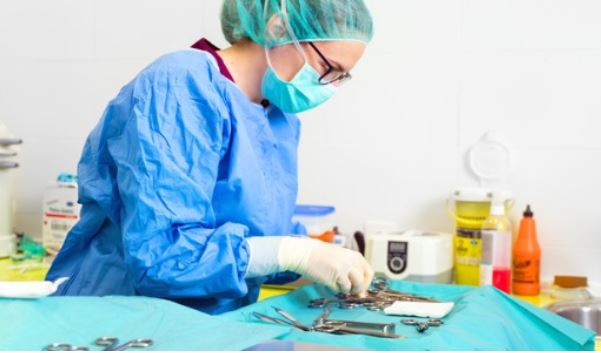
A surgical technologist works as part of the surgical team in an operating room. Their primary responsibility is to assist surgeons, nurses, and other healthcare professionals during surgical procedures. They are responsible for ensuring that the operating room is properly prepared for the surgery, including sterilizing equipment, arranging surgical instruments and supplies, and ensuring that all necessary equipment is available and functional.
During the surgery, surgical technologists provide assistance to the surgeon by passing instruments and supplies, handling tissues, and maintaining a sterile environment. They also work closely with other members of the surgical team to monitor the patient's vital signs and respond to any changes that occur during the surgery.
Surgical technologists are needed to assist surgeons and the surgical team in the operating room by preparing and maintaining the sterile environment. Their presence and expertise contribute to the smooth flow of operations, reducing the risk of infections and ensuring patient safety.
Duties and Responsibilities
A surgical technologist assists surgeons and other medical professionals during surgical procedures. Some of the duties and responsibilities of a surgical technologist include:
- Preparing the Operating Room: Surgical technologists prepare the operating room by setting up surgical instruments, equipment, and sterile drapes. They also ensure that the room is clean and sterile before the surgery begins.
- Assisting Surgeons: During the surgical procedure, surgical technologists assist the surgeon by passing instruments, sutures, and other supplies to the surgeon as needed. They also hold retractors, cut sutures, and manage specimens.
- Maintaining Sterility: Surgical technologists are responsible for maintaining the sterile environment of the operating room throughout the procedure. They ensure that all equipment and instruments are sterile and that the surgical field remains sterile.
- Monitoring Patients: Surgical technologists monitor patients during the surgical procedure, checking their vital signs and making sure they are stable throughout the surgery.
- Collaborating with Other Healthcare Professionals: Surgical technologists work closely with other healthcare professionals, such as nurses, anesthesiologists, and surgeons, to ensure that the surgical procedure goes smoothly.
- Managing Surgical Equipment: Surgical technologists are responsible for managing and maintaining surgical equipment, such as sterilizers, lights, and monitors. They ensure that all equipment is functioning properly before, during, and after the surgery.
- Providing Postoperative Care: After the surgery, surgical technologists assist with cleaning and dressing the surgical site and transferring the patient to the recovery room. They may also help with postoperative care, such as changing dressings and monitoring vital signs.
Types of Surgical Technologists
There are several types of surgical technologists, each with their own specific area of expertise. Some of the common types of surgical technologists include:
- General Surgical Technologist: A general surgical technologist assists in a wide range of surgical procedures, spanning multiple specialties. They ensure that the operating room is prepared with the necessary instruments, equipment, and supplies for procedures such as general surgery (e.g., appendectomy, gallbladder removal), orthopedic surgery (e.g., joint replacements, fracture repairs), neurosurgery (e.g., brain tumor removal, spinal surgeries), and urological surgery (e.g., kidney stone removal, prostate surgery).
- Circulating Surgical Technologists: Circulating surgical technologists oversee the overall surgical environment. They ensure that documentation and patient records are accurately maintained, coordinate with other members of the surgical team, and address any non-sterile needs that arise during the procedure.
- Scrub Surgical Technologists: Scrub surgical technologists work in close proximity to the surgeon during procedures. They meticulously prepare the sterile field by gowning, gloving, and draping the surgical team. They hand instruments and supplies to the surgeon as needed, maintain a sterile environment, anticipate the surgeon's needs during the procedure, and assist with tasks such as suturing and wound closure.
- Cardiovascular Surgical Technologist: Cardiovascular surgical technologists specialize in assisting with surgical procedures involving the heart and blood vessels. They work alongside cardiac surgeons during complex surgeries such as bypass procedures, angioplasty, heart valve replacements, and implantation of cardiac devices. These technologists are familiar with specialized equipment, such as heart-lung bypass machines, and possess knowledge of cardiovascular anatomy and surgical techniques to provide effective support in the operating room.
- Obstetric and Gynecological Surgical Technologist: Obstetric and gynecological surgical technologists assist in surgical procedures related to the female reproductive system. They work closely with obstetricians and gynecologists during procedures such as cesarean sections, hysterectomies, tubal ligations, and surgeries to address gynecological conditions. They ensure the operating room is properly set up, assist in patient positioning, and provide necessary instruments and supplies during these specialized procedures.
- Neurosurgical Technologist: Neurosurgical technologists assist in surgical procedures involving the brain, spinal cord, and nervous system. They collaborate with neurosurgeons during surgeries such as craniotomies, spinal fusions, and deep brain stimulator implants. They are trained to handle specific neurosurgical equipment and instrumentation, set up the operating room appropriately, and anticipate the needs of the surgical team to facilitate successful procedures.
- Orthopedic Surgical Technologist: Orthopedic surgical technologists specialize in surgical procedures related to bones, joints, and musculoskeletal conditions. They work closely with orthopedic surgeons during surgeries such as joint replacements, fracture repairs, spine surgeries, and corrective procedures for skeletal deformities. They ensure that specialized orthopedic instruments and implants are available, assist in patient positioning, and provide support during the procedure.
- Ophthalmic Surgical Technologist: Ophthalmic surgical technologists assist in surgical procedures involving the eyes. They work alongside ophthalmologists during surgeries such as cataract removal, LASIK surgery, corneal transplants, and other eye-related procedures. They assist in maintaining a sterile environment, provide instruments and supplies specific to ophthalmic surgery, help with patient positioning and draping, and anticipate the needs of the surgeon during the procedure.
- Plastic Surgical Technologist: Plastic surgical technologists assist in surgical procedures related to cosmetic and reconstructive surgery. They work closely with plastic surgeons during surgeries such as breast augmentations, facelifts, rhinoplasty, and reconstructive surgeries following trauma or cancer treatment. These technologists are knowledgeable about various plastic surgery techniques and specialized instruments. They help create a sterile environment, handle tissue grafts and implants, and provide support to the surgical team throughout the procedure.
Workplace of a Surgical Technologist
Surgical technologists work in a variety of healthcare settings, including hospitals, outpatient surgery centers, and physician's offices. The work environment for surgical technologists can be fast-paced and demanding, as surgeries often require a great deal of focus and attention to detail.
The operating room is the primary workplace for surgical technologists, where they work alongside surgeons, nurses, and anesthesiologists. Operating rooms are typically well-lit, sterile environments that require adherence to strict safety and hygiene protocols. Surgical technologists wear sterile gowns and gloves, and may also wear masks and eye protection to minimize the risk of infection.
In addition to the operating room, surgical technologists may also work in other areas of the healthcare facility, such as the sterile processing department, where they clean, disinfect, and sterilize surgical instruments and equipment. They may also work in the preoperative and postoperative areas, assisting with patient preparation and recovery.
How to become a Surgical Technologist
To become a surgical technologist, you typically need to complete a formal education program and obtain certification. Here are the general steps to become a surgical technologist:
- Meet the Education Requirements: Most surgical technologists complete a post-secondary education program that results in a diploma, certificate, or associate degree. These surgical technology programs typically take one to two years to complete and include coursework in anatomy and physiology, medical terminology, surgical procedures, and sterile techniques.
- Gain Clinical Experience: Many surgical technology programs include a clinical component that provides students with hands-on experience in an operating room or other healthcare setting. This experience is essential to develop the skills and knowledge necessary to work as a surgical technologist.
- Obtain Certification: Certification is not always required, but it is recommended and may be required by some employers. The National Board of Surgical Technology and Surgical Assisting (NBSTSA) offers the Certified Surgical Technologist (CST) credential, which requires graduation from an accredited program and passing a certification exam.
- Maintain Certification: To maintain certification, surgical technologists must complete continuing education requirements and renew their certification every four years.
Certification
Certification for surgical technologists is voluntary but is highly recommended by many employers and professional organizations. The most widely recognized certification for surgical technologists is the Certified Surgical Technologist (CST) credential, which is offered by the National Board of Surgical Technology and Surgical Assisting (NBSTSA).
To be eligible for the CST credential, individuals must graduate from an accredited surgical technology program and pass the certification exam. The exam consists of 200 multiple-choice questions and covers a range of topics related to surgical technology, including anatomy and physiology, surgical procedures, and patient care. The exam takes four hours to complete, and a passing score is required to obtain certification.
In addition to the CST credential, there are other certifications available for surgical technologists, such as the Tech in Surgery-Certified (TS-C) credential offered by the National Center for Competency Testing (NCCT). However, the CST credential is the most widely recognized and respected certification in the field.
Certification must be renewed every four years, and continuing education is required to maintain certification. This helps to ensure that surgical technologists stay up-to-date on the latest developments and techniques in the field and provide high-quality care to patients.
Skills Needed for a Surgical Technologist
A Surgical Technologist (Surgical Tech) assists surgeons and nurses before, during, and after surgical procedures. Important skills include:
- Knowledge of Surgical Procedures – Understanding different surgeries, instruments, equipment, and operating-room procedures.
- Sterile Technique – Maintaining a sterile environment and preventing contamination and infections.
- Knowledge of Surgical Instruments – Identifying, preparing, handling, and passing instruments correctly and efficiently.
- Attention to Detail – Carefully monitoring instruments, surgical supplies, specimens, and safety procedures.
- Teamwork & Communication – Working closely with surgeons, anesthesiologists, nurses, and other healthcare professionals.
- Ability to Work Under Pressure – Remaining calm, focused, and efficient during emergencies or complex operations.
- Patient Safety Awareness – Following procedures that protect patients from infection, injury, medication errors, and other risks.
- Physical Stamina – Standing for long periods and safely moving equipment and supplies during lengthy surgeries.
- Manual Dexterity – Handling small surgical instruments and medical equipment with precision.
- Organization & Preparation – Preparing the operating room, instruments, surgical trays, and supplies before procedures.
- Knowledge of Infection Control – Understanding sterilization, disinfection, hand hygiene, and infection-prevention practices.
- Critical Thinking – Anticipating the surgeon's needs and responding quickly to unexpected situations.
- Concentration – Maintaining focus throughout lengthy and complicated surgical procedures.
- Emotional Stability – Handling stressful situations, blood, injuries, and emergency procedures professionally.
- Professionalism & Ethics – Maintaining patient confidentiality, following healthcare regulations, and demonstrating responsible behavior.
Surgical Technologist Salary
Salary varies significantly by country, experience, specialization, and workplace.
India
- Entry-level: ₹2.0–₹3.5 lakh per year
- Mid-level: ₹3.5–₹6 lakh per year
- Experienced: ₹6–₹10+ lakh per year
- Senior/Specialized: ₹10–₹15+ lakh per year
United States
- Entry-level: $45,000–$55,000 per year
- Mid-level: $55,000–$70,000 per year
- Experienced: $70,000–$85,000+ per year
Specialized surgical technologists, particularly those working in major hospitals or high-demand surgical departments, may earn more.










User's Comments
No comments there.