


Stories you may like
Veterinary Surgeon
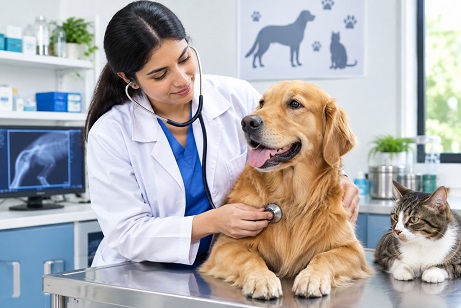
Routine surgeries, including spays and neuters, are standard procedures in veterinary care. Yet, for challenging or intricate cases, seeking the expertise of a board-certified veterinary surgeon is recommended. These specialists collaborate closely with both the animal owner and the primary veterinarian, offering comprehensive pre- and post-surgery support.
Board-certified veterinary surgeons bring a wealth of benefits to the table, including access to cutting-edge treatment options and specialized equipment. Their network often extends to include veterinary specialists in fields such as radiology, anesthesiology, and internal medicine. Additionally, their teams comprise technicians well-versed in the specific needs of animals undergoing surgery. This collaborative approach ensures top-notch care, from the initial consultation through expert postoperative monitoring, ensuring a seamless continuum of care for their patients.
In the realm of animal healthcare, veterinary surgeons stand out as specialized professionals entrusted with the critical task of performing surgical interventions. These professionals are dedicated to addressing a spectrum of medical issues through precise surgical procedures.
Duties and Responsibilities
These are some primary responsibilities found in almost all veterinary surgeon roles:
- Working from a clinic or visiting animals on farms, stables, zoos, or in family homes to diagnose illnesses
- Examining and establishing suitable treatments for different animals such as domestic livestock, pets, or exotic animals
- Conducting and evaluating medical tests, such as X-rays, ultrasounds or taking blood samples
- Providing emotional support and advice for animal owners about welfare and treatment, including dietary advice and breeding information
- Vaccinating animals and performing other forms of preventative healthcare
- Performing euthanasia on old, terminally ill, or dangerous animals
- Performing various medical surgeries to treat illnesses and injuries
- Supervising post-operative and follow-up home care
- Interacting with surgical veterinary technicians, primary and emergency and critical care vets, and support staff
- Working on-call to provide support for out-of-hours emergencies
- Administering deworming treatments and providing animal health certificates for animals travelling abroad
- Drafting case reports and maintaining a database of patient records to document medical treatments and illnesses
- Attending conferences, workshops, and seminars to stay current with industry trends and insights
Types of Veterinary Surgeons
Now that we have a sense of the scope of the veterinary surgeon’s work, let’s look at some different types of veterinary surgeons:
- Veterinary Surgeon (General Practice) – These veterinarians are involved in general practice and may perform a wide range of medical and surgical procedures on various animals.
- Veterinary Orthopedic Surgeon – Specializing in surgeries related to bones, joints, and muscles, orthopedic surgeons address conditions such as fractures, ligament injuries, and congenital deformities.
- Veterinary Soft Tissue Surgeon – This specialization involves surgical procedures that don't involve bones, joints, or muscles, such as abdominal surgeries, tumor removals, and reconstructive surgeries.
- Veterinary Neurosurgeon – Veterinary neurosurgeons focus on surgical interventions related to the nervous system, including the brain and spinal cord.
- Veterinary Cardiothoracic Surgeon – Specializing in surgeries involving the heart and chest, cardiothoracic surgeons address conditions like heart defects, cardiac tumors, and thoracic trauma.
- Veterinary Surgical Oncologist – Veterinary surgeons specializing in oncology focus on the surgical treatment of cancer in animals, including tumor removal and cancer staging.
- Veterinary Dental and Oral Surgeon – Specializing in oral health, dental surgeons perform procedures such as tooth extractions, oral tumor removals, and corrective dental surgeries.
- Equine Veterinary Surgeon – Veterinary surgeons specializing in equine surgery focus on surgical procedures related to horses, including orthopedic and soft tissue surgeries.
- Veterinary Ophthalmic Surgeon – Veterinary ophthalmic surgeons address eye conditions in animals and may perform surgeries such as cataract removals, eyelid surgeries, and corneal procedures.
- Veterinary Reconstructive Surgeon – This specialization involves surgical procedures aimed at repairing or reconstructing damaged tissues, often following trauma or injury.
- Emergency and Critical Care Surgeon – Veterinary surgeons specializing in emergency and critical care are skilled in handling urgent surgical situations and trauma cases.
- Minimally Invasive Surgery (Laparoscopy and Endoscopy) – Veterinarians may specialize in using minimally invasive techniques for surgeries, which involve smaller incisions and shorter recovery times.
It is important to note that the specializations described above typically require additional training and passing of board examinations.
Workplace of a Veterinary Surgeon
Veterinary surgeons can work for a variety of organizations and institutions, depending on their area of expertise and professional interests. These are some of their most common employers:
- Animal Hospitals and Clinics – Most board-certified veterinary surgeons work at large hospitals or referral centers. In these settings, they tend to handle more complex medical cases and emergency care as well as surgical procedures.
- Emergency and Specialty Clinics – Clinics that focus on emergency and critical care, as well as specialty areas like surgery, may employ veterinary surgeons. These clinics often have advanced diagnostic and surgical equipment, and are particularly fast-paced environments.
- Private Veterinary Practices – Some veterinary surgeons work in private practices, providing medical care to companion animals such as dogs, cats, and small mammals. These practices may offer a range of services, including general health exams, surgeries, and preventive care.
- Research Institutions – Some veterinary surgeons work in research institutions, universities, or laboratories, where they may be involved in scientific research, studying diseases, developing new treatments and surgical procedures, or conducting experiments and clinical trials related to animal health.
- Zoos and Wildlife Organizations – Veterinary surgeons may work in zoos, aquariums, and wildlife rehabilitation centers. In addition to surgeries, their work may involve routine medical care and participation in conservation and breeding programs.
- Government Agencies – Veterinary surgeons can be employed by government agencies, such as the Department of Agriculture or public health departments, to oversee animal health, enforce regulations, and address issues related to food safety and disease control. In these settings, they may work in offices, laboratories, or in the field.
- Pharmaceutical and Biotechnology Companies – Some veterinary surgeons work for pharmaceutical or biotechnology companies, contributing to the development of new drugs, vaccines, and medical products for animals. Their work environments range from offices to laboratories to manufacturing facilities.
- Industry and Corporate Settings – Veterinary surgeons may find employment in companies that produce pet food, animal care products, medical devices, or other goods and services related to animal health. Their roles in these settings may involve product development, quality control, or veterinary support for marketing and sales teams.
- Non-profit Organizations – Veterinary surgeons may work for non-profit organizations, such as animal shelters, rescue organizations, or international aid groups, dedicated to animal welfare, advocacy, and rescue. They may be involved in providing medical and surgical care for animals in need or addressing broader issues related to animal welfare.
- Teaching and Academia – Veterinary surgeons can pursue careers in teaching and academia, working as professors, instructors, and/or researchers in veterinary schools and colleges.
- Military – Some veterinary surgeons choose to work in the military, providing general veterinary and surgical care to service animals and supporting military operations related to animal health.
Regardless of their workplace, the job of the veterinary surgeon calls for technical proficiencies and knowledge, a steady emotional keel, precision hand-eye coordination, a keen intellect, sharp inductive and deductive reasoning skills, quick reflexes, and good judgement.
How to become a Veterinary Surgeon
Becoming a veterinary surgeon involves a genuine passion for working with animals and a specific pathway, including veterinary school and a specialized residency program. Here is an overview of the educational requirements:
High School Diploma or Equivalent
Earn a high school diploma or equivalent. High school education provides a foundation in basic communication and math and organizational skills, and it lays the groundwork for further learning.
Bachelor's Degree
Obtain a relevant bachelor's degree from an accredited institution. Since not all schools offer an undergraduate program in veterinary medicine, many aspiring veterinarians opt for a degree in animal sciences, zoology, biology, chemistry, or another related field. Typical prerequisite coursework for veterinary school includes classes in biology, chemistry, physics, and mathematics.
Animal Experience
Gain hands-on experience working with animals. This can be obtained through volunteering or employment in veterinary clinics, animal shelters, research settings, or on farms or ranches.
Veterinary College Admission Test (VCAT)
Prepare for and take the Veterinary College Admission Test (VCAT). This standardized test assesses prospective veterinary students’ academic and scientific knowledge in areas such as biology, chemistry, and physics, as well as reading comprehension, quantitative reasoning, and problem-solving abilities.
Apply to Veterinary School
It's important to note that admission to veterinary school is competitive, and meeting the minimum requirements does not guarantee acceptance. Applicants often need a strong academic record, relevant animal experience, letters of recommendation, and a well-prepared application.
Doctor of Veterinary Medicine (DVM) Degree
Apply to and complete a Doctor of Veterinary Medicine (DVM) program at an accredited veterinary school. These programs typically last four years and provide a broad foundation in veterinary medicine through a combination of classroom instruction and hands-on clinical experience. Core coursework focuses on subjects such as anatomy, physiology, pharmacology, pathology, surgery, and clinical skills. Practical experience is gained through clinical rotations and externships in various aspects of veterinary medicine, including surgical care.
Licensing Exam
After completing the DVM program, graduates must pass the North American Veterinary Licensing Examination (NAVLE) or a state-specific licensing exam to become licensed to practise veterinary medicine.
General Practice or Internship
Consider gaining experience in general veterinary practice or completing a one-year rotating internship. This provides a foundation in various aspects of veterinary medicine before specializing in surgery.
Residency in Veterinary Surgery
Pursue a specialized residency in veterinary surgery. Residencies in this field typically last three years and provide intensive training in surgical procedures, techniques, and related areas. Look for programs accredited by the American College of Veterinary Surgeons (ACVS) or equivalent organizations in other regions.
Research and Publications (Optional)
Engage in research activities and consider publishing papers in reputable journals. While not mandatory, contributing to research can enhance your standing in the field.
Certification / Professional Organizations
The primary organization for providing board certification for this specialty is the American College of Veterinary Surgeons (ACVS). The ACVS awards ‘Diplomate’ status as follows:
- Diplomate of the American College of Veterinary Surgeons
The ACVS offers board certification in surgery, indicating that a veterinary surgeon has completed a surgical residency, published original research, and passed a rigorous examination. ACVS Diplomates are recognized as experts in both soft tissue and orthopedic surgery. - Diplomate, American College of Veterinary Surgeons (Large Animal)
The ACVS offers board certification specifically for large animal surgery. Veterinary surgeons specializing in equine surgery, for example, can pursue this certification to demonstrate their expertise in surgical procedures related to large animals. - Diplomate, American College of Veterinary Surgeons (Small Animal)
This ACVS certification recognizes veterinary surgeons for their advanced skills in surgical interventions for companion animals.
The following are other certifications that the American College of Veterinary Surgeons views as relevant for veterinary surgeons:
- Diplomate of the American College of Veterinary Anesthesia and Analgesia (ACVAA)
- Diplomate of the American College of Veterinary Radiology (ACVR)
- Diplomate the American College of Veterinary Emergency and Critical Care (ACVECC)
- American Board of Veterinary Practitioners (ABVP) – The ABVP offers board certification in avian practice, beef cattle practice, canine and feline practice, dairy practice, equine practice, exotic companion mammal practice, feline practice, fish practice, food animal practice, reptile and amphibian practice, shelter medicine practice, and swine health management.
- American College of Veterinary Internal Medicine (ACVIM) – The ACVIM provides board certification in internal medicine, with subspecialties such as cardiology, oncology, neurology, and other areas.
The following organizations also support the veterinary surgery community by fostering collaboration and providing resources, advocacy, and networking and continuing education opportunities:
- American Veterinary Medical Association (AVMA) – The AVMA is a comprehensive association representing the broader field of veterinary medicine in the United States. It includes specialized sections and interest groups for veterinary surgeons.
- Veterinary Orthopedic Society (VOS) – The VOS is an organization dedicated to promoting the art and science of veterinary orthopedics. It provides a platform for sharing research, organizing conferences, and fostering collaboration among orthopedic specialists.
- Veterinary Emergency and Critical Care Society (VECCS) – The VECCS is focused on emergency and critical care in veterinary medicine. While not specific to surgery, it addresses critical care aspects that may be of interest to veterinary surgeons.
Skills Needed for a Veterinary Surgeon
A veterinary surgeon is a medical professional who diagnoses, treats, and prevents diseases and injuries in animals. Veterinary surgeons work with pets, livestock, wildlife, and other animals. They need a combination of medical knowledge, practical clinical skills, communication abilities, and compassion for animals.
1. Hard Skills (Technical Skills)
1. Animal Anatomy and Physiology: Knowledge of animal body structures, organs, body systems, and normal physiological functions.
2. Disease Diagnosis: Ability to identify animal diseases by examining symptoms, medical history, and clinical signs.
3. Surgical Skills: Ability to perform surgical procedures, including wound repair, sterilization, and other operations, with appropriate training and supervision.
4. Animal Health Examination: Skills in conducting physical examinations, checking vital signs, and assessing an animal's overall health.
5. Diagnostic Testing: Knowledge of laboratory tests, blood analysis, urine testing, X-rays, ultrasound, and other diagnostic procedures.
6. Anesthesia and Pain Management: Understanding how to administer anesthesia safely and manage pain during and after medical procedures.
7. Pharmacology and Medication: Knowledge of veterinary medicines, dosages, drug interactions, and safe medication practices.
8. Emergency and Critical Care: Ability to respond to emergencies such as injuries, poisoning, breathing difficulties, and serious illnesses.
9. Preventive Veterinary Medicine: Knowledge of vaccination, parasite control, nutrition, hygiene, and disease prevention.
10. Animal Reproduction: Understanding reproductive health, pregnancy, birth complications, and breeding management.
11. Medical Record Management: Ability to maintain accurate patient histories, treatment plans, laboratory results, and vaccination records.
12. Infection Control and Biosecurity: Knowledge of sterilization, sanitation, protective equipment, and measures to prevent the spread of infectious diseases.
2. Soft Skills (Personal Skills)
1. Compassion and Empathy: Showing kindness and concern for animals experiencing pain, illness, or fear.
2. Communication Skills: Explaining diagnoses, treatment options, medication instructions, and recovery plans clearly to animal owners.
3. Critical Thinking: Evaluating symptoms, test results, and medical histories to determine appropriate treatment.
4. Problem-Solving: Finding suitable solutions when an animal's condition is complex or the initial treatment is unsuccessful.
5. Decision-Making: Making informed clinical decisions, especially when treating critically ill or injured animals.
6. Patience: Handling frightened, aggressive, or uncooperative animals calmly and safely.
7. Attention to Detail: Noticing subtle changes in an animal's behavior, symptoms, vital signs, or test results.
8. Emotional Resilience: Managing stressful situations, difficult medical outcomes, and conversations about end-of-life care.
9. Teamwork: Collaborating with veterinary nurses, technicians, laboratory professionals, and other veterinarians.
10. Time Management: Balancing consultations, surgeries, emergency cases, follow-up appointments, and medical documentation.
3. Additional Professional Skills
- Animal Handling and Restraint: Safely examining and managing animals of different sizes, species, and temperaments.
- Ethical Judgment: Protecting animal welfare and making responsible decisions about diagnosis, treatment, and care.
- Client Relationship Management: Building trust with animal owners and discussing treatment costs and available options.
- Continuous Learning: Keeping up with advances in veterinary medicine, surgical techniques, diagnostic technology, and animal welfare practices.
- Digital Skills: Using veterinary practice management software, electronic medical records, and digital diagnostic systems.
- Leadership Skills: Supervising veterinary teams and coordinating care in clinics, hospitals, farms, or animal welfare facilities.
4. Educational Qualifications
To become a veterinary surgeon in India, the usual pathway includes:
- Completing higher secondary education with the required science subjects, generally Physics, Chemistry, and Biology.
- Obtaining a Bachelor of Veterinary Science and Animal Husbandry (B.V.Sc. & A.H.) degree from a recognized institution.
- Completing the required practical training and internship.
- Meeting the applicable veterinary registration requirements before practising.
Salary of a Veterinary Surgeon
Veterinary surgeon salaries vary depending on country, qualifications, specialization, experience, workplace, and whether the veterinarian works in government service, private practice, hospitals, farms, or research.
- India: Approximately ₹3–8 lakh per year for early-career veterinarians. With several years of experience or specialization, salaries can reach ₹8–15+ lakh per year.
- United States: Often around US$90,000–US$140,000 per year, with specialist and experienced roles potentially higher.
- United Kingdom: Approximately £40,000–£70,000 per year, with experienced specialists earning more.
- Australia: Approximately A$80,000–A$130,000 per year, depending on experience and specialization.
- Canada: Approximately C$80,000–C$130,000 per year.
Private practice ownership, advanced surgical specialization, emergency medicine, and extensive experience can significantly affect earning potential.










User's Comments
No comments there.