


Stories you may like
Arborist
An arborist specializes in the care and maintenance of trees. Arborists are knowledgeable in tree biology and are trained in the proper techniques for planting, pruning, and removing trees. They also have expertise in diagnosing and treating tree diseases and pests. Arborists work in a variety of settings, including residential, commercial, and public spaces, such as parks and urban forests.
Arborists also play an important role in the protection of the environment, as trees are a vital component of ecosystems and help to mitigate the impacts of climate change. They may work with government agencies and conservation organizations to promote the preservation and restoration of natural forests and other ecosystems.
Duties and Responsibilities
The work of an arborist involves a mix of physical tasks, safety practices, and knowledge of tree biology. Their duties and responsibilities typically include:
- Tree Pruning and Trimming: Remove dead, damaged, or overgrown branches to improve a tree’s structure, health, and appearance, while also preventing potential hazards.
- Tree Planting: Select and plant appropriate tree species in the right locations, considering soil conditions, climate, and space to ensure long-term growth and stability.
- Tree Removal: Safely cut down trees that are dead, diseased, or dangerous, often using specialized equipment and techniques to avoid damage to surrounding areas.
- Health Assessment: Examine trees for signs of disease, pest infestation, or structural weakness, and develop treatment plans to restore or maintain tree health.
- Cabling and Bracing: Install support systems in trees with weak limbs or trunks to reduce the risk of breakage and help extend the life of the tree.
- Emergency Tree Care: Respond quickly to storm damage or fallen trees, clearing debris and securing dangerous areas to protect people and property.
- Equipment Use and Maintenance: Operate and maintain tools such as chainsaws, climbing harnesses, and wood chippers, ensuring safety and efficiency during tree work.
- Consultation and Advice: Offer expert guidance to homeowners, businesses, or city officials on tree selection, care practices, risk assessment, and preservation planning.
Types of Arborists
There are several types of arborists, each specializing in different aspects of tree care depending on their training, certifications, and work environment. These roles often overlap, but each focuses on a specific area of expertise.
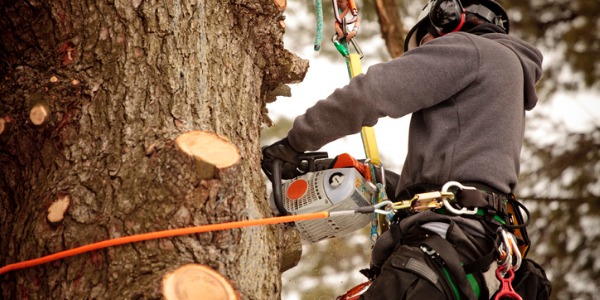
- Climbing Arborist: Specializes in physically climbing trees using ropes and harnesses to prune, trim, or remove branches in hard-to-reach areas.
- Ground Arborist: Works from the ground to support tree care operations by handling tools, managing debris, and assisting climbers with equipment and safety.
- Utility Arborist: Maintains trees near power lines or other utility structures, ensuring branches don’t interfere with electrical systems and following strict safety protocols.
- Municipal Arborist: Employed by local governments to manage trees in public spaces such as parks, streets, and city properties, often handling tree inspections, removals, and urban forestry planning.
- Consulting Arborist: Provides expert advice, tree risk assessments, and written reports for property owners, legal cases, or construction projects, often without performing physical tree work.
- Commercial Arborist: Works for private companies offering tree services to homeowners, businesses, or institutions, handling everything from pruning and removal to health assessments.
What is the workplace of an Arborist like?
The workplace of an arborist is mostly outdoors and can vary depending on the type of job they are doing. Arborists often work in parks, neighborhoods, forests, or along streets, caring for trees in all kinds of weather. They climb trees, use ladders, or work from bucket trucks to reach high branches. Because they deal with heights and heavy equipment, safety is always a big part of their work environment.
A typical day might include trimming branches, removing dead trees, or planting new ones. Arborists use tools like chainsaws, ropes, harnesses, and wood chippers, so the job can be physically demanding. They need to stay alert and work carefully to avoid injuries, especially when working near power lines, roads, or buildings. Communication with a team is also important to keep the job running smoothly and safely.
Sometimes, arborists work indoors as well, especially those in consulting roles. They might write reports, create care plans, or meet with clients to discuss tree-related issues. But for most arborists, the job is hands-on and active, with plenty of time spent outdoors helping trees grow strong and healthy.
How to become an Arborist
Becoming an arborist involves a combination of education, training, and practical experience. Here are the steps you can take to pursue a career as an arborist:
- Obtain a High School Diploma or Equivalent: While not always strictly required, a high school diploma or equivalent is typically expected for most entry-level arborist jobs and is helpful for further training and certification.
- Gain Basic Knowledge and Skills: Familiarize yourself with basic tree care principles, techniques, and equipment by reading books, watching instructional videos, or taking introductory courses in arboriculture or forestry. Look for opportunities to gain hands-on experience through volunteer work, internships, or part-time jobs with tree care companies or landscaping firms.
- Consider Formal Education or Training: While not mandatory, completing a formal program in arboriculture, forestry, or horticulture can improve your job prospects and deepen your knowledge. Many employers value candidates with certificates, associate degrees, or bachelor’s degrees in these areas.
- Gain Practical Experience: Seek employment or apprenticeship opportunities with tree care companies, municipal parks departments, or forestry agencies to gain practical experience in tree care operations. Start with entry-level positions, such as tree care technician or groundskeeper, and gradually work your way up to more specialized roles.
- Obtain Required Licenses or Certifications: Depending on local regulations, you may need certifications or licenses to perform certain tasks such as pesticide application, climbing, or operating heavy equipment. Consider certifications from organizations like the International Society of Arboriculture (ISA), and check with your local or state government for additional licensing requirements.
Certifications
Arborists have the option to pursue various certifications to demonstrate their expertise and commitment to professionalism in the field of arboriculture. Some of the most recognized certifications for arborists include:
- ISA Certified Arborist: Offered by the International Society of Arboriculture (ISA), the ISA Certified Arborist credential is one of the most widely recognized certifications for arborists worldwide. To become certified, candidates must have a minimum of three years of full-time experience in arboriculture and pass a comprehensive exam covering topics such as tree biology, tree identification, pruning, tree risk assessment, and tree care practices.
- ISA Certified Tree Worker Climber Specialist: This certification is designed for arborists who specialize in climbing and working at heights to perform tree care tasks such as pruning, trimming, and tree removal. Candidates must demonstrate proficiency in tree climbing techniques, equipment use, and safety practices through a practical exam administered by the ISA.
- ISA Certified Tree Worker Aerial Lift Specialist: Similar to the Tree Worker Climber Specialist certification, this credential focuses on the safe operation of aerial lift equipment, such as bucket trucks and aerial platforms, for tree care operations. Candidates must demonstrate their ability to operate aerial lift equipment safely and effectively through a practical exam administered by the ISA.
- TCIA Certified Treecare Safety Professional (CTSP): Offered by the Tree Care Industry Association (TCIA), the CTSP certification is designed for professionals responsible for safety management in the tree care industry. To become certified, candidates must complete a comprehensive safety training program and pass a written exam covering topics such as OSHA regulations, hazard identification, and safety management practices.
- State-Specific Licenses or Certifications: Some states may require arborists to obtain state-specific licenses or certifications to perform tree care activities, such as pruning, tree removal, or pesticide application. Requirements vary by state, so arborists should check with their state's department of agriculture, forestry, or environmental protection agency for specific licensing or certification requirements.









User's Comments
No comments there.