


Stories you may like
AI Conversation Designer
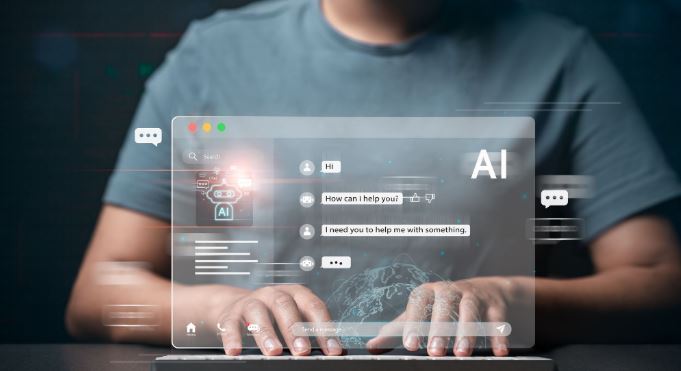
An AI conversation designer shapes how chatbots, virtual assistants, and similar tools speak and interact with people, so that conversations with technology feel clear, natural, and helpful. This specialist turns complex technology into simple back and forth dialogue that makes sense to everyday users. The main purpose of the role is to help AI systems understand what people are trying to say, respond in a friendly and accurate way, and support goals such as answering questions, solving problems, or guiding customers through tasks.
AI conversation designers can be found in many fields, including technology, banking, retail, healthcare, education, and entertainment. They often work on product or design teams inside software companies, large corporations, or startups, and may collaborate closely with developers, marketers, and customer support specialists. To succeed, they benefit from strong writing and communication skills, basic understanding of how AI and language technologies work, empathy for users, problem-solving abilities, and an interest in user experience design.
Duties and Responsibilities
An AI conversation designer handles a mix of creative, research, and teamwork tasks to make chatbots and virtual assistants sound natural, helpful, and human-like.
- User Research: The role involves studying user needs and communication patterns with AI tools. Work includes running interviews, analyzing past conversation data, and identifying common questions to inform stronger conversational experiences.
- Dialogue Flow Design: Conversation paths are mapped using tools such as Dialogflow or Botmock to show how interactions branch based on user input. This process ensures conversations stay on track and handle unexpected responses smoothly.
- Content Creation: Clear, friendly responses are written while defining the AI’s personality and voice. Copywriting skills help align tone with brand style and ensure natural flow across chat and voice interfaces.
- Prototyping and Testing: Test versions of conversations are built using platforms like Voiceflow and evaluated with real users. Feedback is used to fix issues and meet quality standards before launch.
- Team Collaboration: Close collaboration with developers, product managers, and marketers ensures conversations fit into broader product goals. Design decisions are explained in meetings and adjusted based on technical constraints or business needs.
- Analytics and Optimization: Chat performance is reviewed using analytics tools to identify drop-offs, confusion, or unmet needs. Regular updates improve user satisfaction while meeting product timelines.
- Professional Development: Ongoing learning through courses, conferences, and certifications, such as those from the Conversation Design Institute, helps designers stay current with NLP, UX, and evolving AI best practices.
Workplace of an AI Conversation Designer
An AI conversation designer usually works in a modern office or remotely, often as part of a team that includes developers, product managers, and UX designers. The workspace is a mix of computers, whiteboards, and collaboration tools where ideas for conversations and chat flows are shared and planned. Many designers spend time in video calls or meetings to discuss project goals and make sure the AI aligns with user needs.
Day-to-day work involves a mix of creative and analytical tasks. Designers write and test conversation scripts, map out dialogue flows, and study how people interact with chatbots or voice assistants. They also look at data from real users to see where conversations get confusing or where the AI could give better answers. This combination of writing, testing, and analyzing keeps the work varied and engaging.
Collaboration and learning are big parts of the job. Designers work closely with others to fit their conversations into larger products and solve technical challenges together. They often stay up to date with AI trends, new tools, and best practices by taking courses, attending webinars, or reading research. The environment encourages problem-solving, creativity, and continuous improvement while making technology feel more human for users.
How to become an AI Conversation Designer
People enter the field of AI conversation design through a mix of learning, skill building, and hands-on projects.
- Build a Strong Foundation in Related Subjects: High school graduates start with courses or degrees in psychology, human-computer interaction, or computer science. These areas of study teach how people talk and think, which forms the base for creating human-like AI chats.
- Learn Key Skills like Writing and Empathy: Aspiring designers practise clear writing, user empathy, and basic understanding of natural language processing through online tutorials or books. These skills help craft conversations that feel real and solve user problems effectively.
- Explore AI tools and platforms: They experiment with free tools like Dialogflow, Voiceflow, or Botmock to design simple chat flows. Hands-on time with these builds confidence and shows real ability to non-tech experts.
- Take Relevant Courses or Enroll in Bootcamps: Community college classes or short online programs on conversation design provide structured knowledge without completing a full degree. This step fills gaps in tech know-how and connects newcomers to industry basics.
- Create a Portfolio of Projects: Designers make sample chatbots or voice scripts and share them on sites like GitHub or a personal website. A portfolio proves skills to employers more than grades alone.
- Gain Practical Experience through Internships or Freelance Gigs: They seek entry-level roles, hackathons, or small paid tasks on platforms like Upwork. Real-world work teaches teamwork with developers and refines designs under pressure.
- Earn Professional Certifications: Completing recognized certifications in conversation design validates expertise to hiring managers. These credentials boost resumes and open doors to better jobs faster.
- Network and Apply for Jobs: Joining online communities, LinkedIn groups, or local meetups links them to pros for advice and openings. Persistent applications with tailored portfolios lead to first roles in tech firms or agencies.
Skills
Core Design & Communication Skills
- Conversation Design & UX Writing
Craft clear, natural, and engaging dialogues for chatbots and voice interfaces. - Linguistics & Language Understanding
Knowledge of tone, intent, semantics, and how people communicate in real life. - Storytelling & Dialogue Flow
Ability to design logical conversation paths, branching scenarios, and user journeys. - Empathy & User-Centric Thinking
Understanding user emotions, needs, and expectations to create meaningful interactions.
AI & Technical Understanding
- Natural Language Processing (NLP)
Basic understanding of how AI interprets user input (intents, entities, context). - Prompt Design / Prompt Engineering
Writing effective prompts to guide AI responses accurately. - Familiarity with AI Platforms
Tools like Dialogflow, Rasa, and Microsoft Bot Framework. - Data Awareness
Understanding how training data affects responses, bias, and performance.
UX & Interaction Design Skills
- User Experience (UX) Design
Designing intuitive, efficient, and user-friendly conversational flows. - Wireframing & Prototyping
Using tools like Figma or Adobe XD to map conversations. - Multimodal Design
Designing for text, voice, buttons, and visual responses together.
Analytical & Testing Skills
- Conversation Testing & Iteration
Testing chatbot responses and improving based on user behavior. - Data Analysis & Metrics
Tracking engagement, drop-offs, and user satisfaction. - A/B Testing
Comparing different conversation flows to optimize performance.
Problem-Solving & Strategy
- Information Architecture
Structuring content logically within conversations. - Critical Thinking
Handling edge cases, misunderstandings, and unexpected inputs. - Business Understanding
Aligning conversations with business goals like support, sales, or engagement.
Ethical & Responsible AI Awareness
- Avoiding biased or harmful responses
- Ensuring transparency in AI interactions
- Designing for privacy and user trust
Salary
Salary in India (2026)
- Average salary: ₹5–6 LPA (₹5 lakh/year)
- Typical range: ₹3.5 LPA → ₹9 LPA
By Experience
- Fresher (0–2 yrs): ₹2 – ₹5 LPA
- Mid-level (3–5 yrs): ₹5 – ₹8 LPA
- Experienced (5+ yrs): ₹8 – ₹12+ LPA (can go higher in top companies)
Related role insight: General conversation designers/UI UX writers earn around ₹5–11 LPA, showing similar pay levels.
Salary Abroad (USA)
- Average salary: ~$63,000/year (~₹50+ LPA)
- Range: $50K – $90K+ depending on experience
Reality Check (Important)
- This role is still emerging in India, so salaries are lower than core AI roles.
- If you combine skills like:
NLP
Prompt Engineering
UX Design









User's Comments
No comments there.