


Stories you may like
Nail Technician
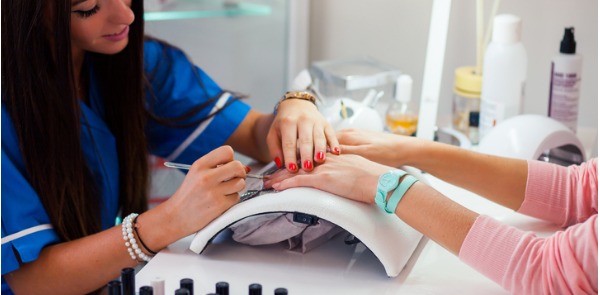
A nail technician works in the beauty industry, specializing in the care and beautification of nails. These professionals provide a range of nail services, including manicures, pedicures, and various nail enhancements. Nail technicians may work in dedicated nail salons, spas, or as part of larger beauty establishments, offering personalized nail care services to clients seeking both relaxation and aesthetic enhancements.
To become a nail technician, individuals often complete a state-approved cosmetology or nail technology program, which includes both theoretical and practical training. Successful nail technicians possess creativity, attention to detail, and excellent customer service skills to meet the diverse preferences of their clients and ensure a satisfying and aesthetically pleasing nail care experience.
Nail technicians provide clients with professional nail care services. Well-groomed nails are a sign of good personal hygiene and are an essential aspect of one's overall appearance. The services provided by nail technicians can help clients feel more confident and improve their self-esteem.
Duties and Responsibilities
The duties and responsibilities of a nail technician encompass a variety of tasks related to nail care and beautification. Here is an overview of the typical responsibilities associated with this profession:
- Manicures and Pedicures: Perform basic manicures and pedicures, which involve cleaning, shaping, and grooming clients' nails. This includes trimming and filing nails, addressing cuticles, and exfoliating the hands and feet during the process.
- Nail Enhancement Services: Provide nail enhancement services, such as applying acrylic or gel nail extensions. This may involve sculpting, shaping, and adding length to clients' natural nails using various techniques and materials.
- Nail Art and Design: Offer creative nail art and design services, including painting intricate patterns, applying decals, and using various techniques to enhance the aesthetic appeal of clients' nails.
- Nail Repairs: Address and repair damaged or broken nails using appropriate techniques and materials. This may involve fixing cracks, breaks, or chips to ensure the overall health and appearance of the nails.
- Polish Application: Apply nail polish, including traditional nail lacquers, gel polish, or other specialty finishes. Ensure precision and attention to detail in the application to achieve a polished and professional look.
- Sanitation and Hygiene: Adhere to strict sanitation and hygiene practices to maintain a clean and safe working environment. Sterilize tools, dispose of single-use items properly, and follow industry standards to prevent the spread of infections.
- Client Consultation: Conduct consultations with clients to understand their preferences, assess the condition of their nails, and recommend appropriate treatments or services. Provide guidance on nail care and maintenance.
- Product Knowledge: Stay informed about the latest trends, products, and techniques in the nail care industry. This includes knowledge of various nail care products, tools, and technologies.
- Customer Service: Provide excellent customer service by creating a welcoming and relaxing atmosphere, actively listening to clients' preferences, and ensuring their overall satisfaction with the services provided.
- Sales and Upselling: Recommend and upsell additional services or retail products, such as nail care products, lotions, or accessories, based on clients' needs and preferences.
- Appointment Management: Effectively manage appointments, ensuring a smooth flow of clients throughout the day. Maintain accurate records of client preferences and services provided.
- Compliance with Regulations: Adhere to state and local regulations and licensing requirements for nail technicians. Stay informed about any changes in health and safety standards within the beauty industry.
Types of Nail Technicians
The term "nail technician" generally refers to professionals who specialize in nail care and beautification. While the core duties may overlap, there are different types of nail technicians based on their specific skills and the services they offer. Here are some common types:
- Manicurist: Manicurists specialize in the care and beautification of the hands and nails. They perform basic manicures, including cleaning, shaping, and polishing natural nails. Manicurists may also offer hand massages and apply moisturizers to keep the skin soft.
- Pedicurist: Pedicurists focus on the care and beautification of the feet and toenails. Their services typically include foot soaks, nail trimming, shaping, and the application of polish. Pedicurists may also address calluses and provide foot massages.
- Nail Artist: Nail artists are known for their creativity in designing and decorating nails. They specialize in intricate nail art, including hand-painted designs, 3D nail embellishments, and unique patterns. Nail artists often stay updated on the latest trends in nail design.
- Nail Extension Technician: Nail extension technicians specialize in adding length and enhancing the appearance of nails. They may work with materials such as acrylic, gel, or dip powder to create extensions. This includes sculpting and shaping the extensions to the desired look.
- Gel Nail Technician: Gel nail technicians specifically focus on applying and maintaining gel nail enhancements. They use UV or LED light to cure the gel, creating a durable and glossy finish. Gel nails are popular for their long-lasting and chip-resistant properties.
- Acrylic Nail Technician: Acrylic nail technicians specialize in applying acrylic nail enhancements. This involves using a liquid monomer and a powder polymer to create a strong and durable artificial nail. Acrylic nails are often chosen for their versatility and strength.
- Nail Care Specialist for Natural Nails: Some technicians specialize in natural nail care without the use of extensions or enhancements. They focus on maintaining the health and appearance of clients' natural nails through shaping, buffing, and applying polish.
- Medical Nail Technician: Medical nail technicians may work in collaboration with podiatrists or in medical spa settings. They address specific nail and foot concerns, such as ingrown nails or fungal infections, with a focus on promoting overall foot health.
- Mobile Nail Technician: Mobile nail technicians provide on-the-go services, traveling to clients' homes, offices, or events. This type of technician offers the convenience of receiving nail care services in a location of the client's choosing.
- Nail Educator: Nail educators are experienced technicians who transition to teaching roles. They provide education and training to aspiring nail technicians, sharing their expertise in techniques, safety practices, and industry trends.
What is the workplace of a Nail Technician like?
The workplace of a nail technician can vary, offering a range of environments where these professionals provide nail care services to their clients. One common setting is the traditional nail salon or spa. Within these establishments, nail technicians typically work in a designated area equipped with manicure and pedicure stations. The workstations are set up with the necessary tools and products for performing various nail services. The salon or spa atmosphere is often designed to be relaxing and aesthetically pleasing, providing clients with a comfortable experience while getting their nails done. The workplace may also include waiting areas for clients, reception desks, and retail sections where nail care products are displayed and sold.
Additionally, some nail technicians may operate as independent contractors or entrepreneurs, either owning their own nail salon or providing mobile services. Owning a salon gives nail technicians the flexibility to design the space according to their preferences and create a unique ambiance. Mobile nail technicians bring their services directly to clients, offering the convenience of at-home or on-location nail care. This mobile approach allows for a more personalized and private experience.
Nail technicians might also find employment in high-end resorts, hotels, or cruise ships, where they cater to a diverse clientele seeking luxury spa services. In these settings, the workplace often includes well-equipped spa facilities with specialized treatment rooms for nail care services.
Regardless of the specific workplace, maintaining a clean and sanitary environment is a priority for nail technicians. Adherence to health and safety standards, such as proper sterilization of tools and equipment, is important to ensure the well-being of both clients and technicians. The workplace of a nail technician is not only a space for delivering professional services but also a place where they can express their creativity, engage with clients, and build lasting relationships within the beauty and wellness industry.
How to become a Nail Technician
Becoming a nail technician involves completing specific education and training requirements, obtaining a state license, and gaining practical experience. Here's a guide to becoming a nail technician:
- Meet Minimum Requirements: Ensure you meet the minimum age and education requirements set by your state. Most states require individuals to be at least 16 years old and have a high school diploma or equivalent.
- Enroll in a Nail Technician Program: Choose a state-approved cosmetology or nail technician program. These programs, offered by beauty schools or vocational schools, provide the necessary education and training in nail care, sanitation, and safety. Programs typically range from a few weeks to several months.
- Complete Required Hours: Fulfill the required training hours mandated by your state licensing board. The number of hours varies by state but often ranges from 200 to 600 hours. During your training, you will learn about nail anatomy, sanitation practices, nail art, and the application of various nail services.
- Hands-On Training: Engage in hands-on training to develop practical skills in performing manicures, pedicures, nail enhancements (acrylic, gel, etc.), and nail art. Gain experience working with clients under the supervision of instructors.
- Complete Practical and Written Exams: Once you have completed the required training hours, you'll need to pass both practical and written exams administered by your state licensing board. The exams assess your understanding of nail care principles and your ability to perform services safely and professionally.
- Apply for State License: Submit your application for a state license to your state's cosmetology or regulatory board. Include all required documentation, such as proof of education, training, and exam results. Pay any applicable fees.
- Pass State Licensing Exam: Some states may require a separate licensing exam in addition to the exams taken during your training program. Ensure that you meet all the exam requirements and pass any additional exams required by your state.
- Stay Informed About State Regulations: Stay informed about state regulations and license renewal requirements. Many states require ongoing education to renew your license periodically. Keep up-to-date with industry trends and advancements in nail care.
- Consider Specializing: Explore opportunities for specialization within the field. You may choose to focus on specific techniques like nail art, gel nails, or other enhancements. Continuous learning and staying current with industry trends can enhance your skills and offerings.
- Build a Portfolio: Assemble a portfolio showcasing your work, including different nail services and designs. A portfolio can be a valuable tool when seeking employment or establishing your own nail care business.
- Seek Employment or Start Your Business: Once licensed, you can explore job opportunities in nail salons, spas, or consider starting your own nail care business. Networking within the beauty industry can help you connect with potential employers or clients.











User's Comments
No comments there.