


Stories you may like
Exterminator
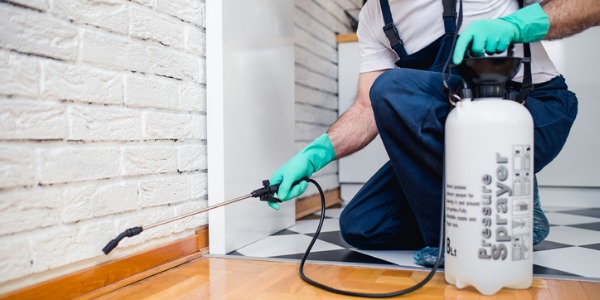
An exterminator specializes in identifying, managing, and eliminating various pests and infestations from residential, commercial, and industrial properties. These pests may include insects such as ants, cockroaches, termites, bed bugs, and mosquitoes, as well as rodents like mice and rats. Exterminators employ a variety of methods to address pest problems, including the use of chemical pesticides, baits, traps, and integrated pest management (IPM) techniques.
In addition to pest removal, exterminators often provide preventive measures to help clients minimize the risk of future infestations. This may involve conducting inspections of properties to identify potential entry points or sources of pest activity, recommending sanitation practices, and offering advice on habitat modification to deter pests.
Duties and Responsibilities
Exterminators have a range of duties and responsibilities aimed at identifying, managing, and eliminating pest infestations while ensuring the safety of humans and the environment. Some common duties and responsibilities of exterminators include:
- Inspecting Properties: Exterminators conduct thorough inspections of residential, commercial, and industrial properties to identify pest infestations, assess the extent of the problem, and determine the most effective treatment methods.
- Identifying Pests: Exterminators use their knowledge and expertise to identify the type of pest causing the infestation, whether it be insects (e.g., ants, cockroaches, bed bugs), rodents (e.g., mice, rats), wildlife (e.g., raccoons, squirrels), or other nuisance pests.
- Developing Treatment Plans: Based on their inspection findings, exterminators develop customized treatment plans tailored to the specific pest infestation and the needs of the property owner. Treatment plans may include the use of chemical pesticides, baits, traps, exclusion measures, or integrated pest management (IPM) strategies.
- Implementing Pest Control Measures: Exterminators apply pest control measures according to the treatment plan, utilizing appropriate methods and techniques to manage and eliminate pest populations effectively. This may involve applying pesticides, setting traps, sealing entry points, or implementing habitat modifications to deter pests.
- Educating Clients: Exterminators educate property owners about the nature of the pest problem, the treatment options available, and the preventive measures they can take to reduce the risk of future infestations. They provide guidance on sanitation practices, structural repairs, and landscaping changes to minimize pest attractants and entry points.
- Ensuring Safety and Compliance: Exterminators adhere to safety protocols and regulatory requirements governing the use of pesticides and the handling of hazardous materials. They take precautions to protect the health and safety of humans, pets, and the environment while applying pest control treatments.
- Documenting Work: Exterminators maintain detailed records of their inspections, treatment plans, and pest control activities. They document the type of pests encountered, the treatment methods used, and the outcomes of their interventions for future reference and reporting purposes.
- Continuous Learning and Training: Exterminators stay updated on the latest pest control techniques, products, and regulations through ongoing training and professional development. They may attend workshops, seminars, or industry conferences to expand their knowledge and skills in pest management.
Types of Exterminators
Exterminators specialize in addressing various types of pests and infestations, employing different techniques and methods tailored to each pest's characteristics and behavior. Some common types of exterminators include:
- Bed Bug Exterminators: Bed bug exterminators specialize in identifying and eliminating bed bug infestations from homes, hotels, dormitories, and other living spaces. They use a combination of chemical treatments, heat treatments, steam treatments, and vacuuming to eradicate bed bugs from infested areas and prevent their spread.
- Insect Exterminators: Insect exterminators specialize in controlling and eliminating infestations of insects, such as ants, cockroaches, bed bugs, termites, mosquitoes, and fleas. They may use chemical pesticides, baits, traps, and heat treatments to eradicate insect populations from residential, commercial, and industrial properties.
- Rodent Exterminators: Rodent exterminators focus on managing infestations of mice, rats, and other rodents. They employ trapping, baiting, and exclusion techniques to remove rodents from buildings and prevent them from reentering. Rodent exterminators may also provide advice on sanitation measures and structural repairs to deter rodent activity.
- Termite Exterminators: Termite exterminators focus specifically on managing termite infestations. They conduct thorough inspections of buildings to detect termite activity, assess the extent of damage, and recommend treatment options such as soil treatments, baiting systems, or fumigation to eliminate termites and protect structures from further damage.
- Wildlife Exterminators: Wildlife exterminators specialize in dealing with nuisance wildlife, such as raccoons, squirrels, skunks, bats, and birds, that may invade homes, businesses, or properties. They use humane trapping and relocation methods to remove wildlife from buildings and implement exclusion measures to prevent future intrusions.
What is the workplace of an Exterminator like?
The workplace of an exterminator can vary widely depending on the nature of the pest control job and the specific environment in which they are working. Exterminators may find themselves working in a variety of settings, including residential homes, commercial buildings, industrial facilities, outdoor spaces, and agricultural areas. They may also work in both urban and rural areas, encountering different types of pests and challenges depending on the location.
In residential settings, exterminators often interact directly with homeowners or tenants to address pest problems inside homes, apartments, or condominiums. They may navigate tight spaces, crawl spaces, attics, and basements to inspect for pests and apply treatments. In commercial settings, such as restaurants, hotels, offices, or retail stores, exterminators may work during off-hours to minimize disruption to business operations while addressing pest issues discreetly and effectively. They may also collaborate with property managers, maintenance staff, or business owners to develop long-term pest management strategies.
In outdoor environments, exterminators may encounter pests such as mosquitoes, ticks, or stinging insects in parks, recreational areas, golf courses, or residential yards. They may use specialized equipment and techniques to target pests while minimizing impacts on non-target organisms and the surrounding ecosystem. Additionally, exterminators working in agricultural settings may focus on managing pest infestations in crops, orchards, vineyards, or livestock facilities, collaborating with farmers and agricultural professionals to protect agricultural commodities and ensure food safety.
How to become an Exterminator
Becoming an exterminator involves a combination of education, training, and licensure. Here are the general steps to become an exterminator:
- Meet Minimum Requirements: In most states, exterminators must be at least 18 years old and have a high school diploma or equivalent to qualify for licensure or certification.
- Gain Relevant Experience: While not always required, gaining practical experience in pest control can be beneficial for aspiring exterminators. Consider working as an apprentice or technician under the supervision of a licensed exterminator or pest control company to learn the ropes and gain hands-on experience in the field.
- Complete Pest Control Training Programs: Many states require exterminators to complete training programs or courses in pest control and pesticide safety. These programs may cover topics such as pest identification, pesticide application techniques, safety precautions, and regulatory requirements.
- Obtain State Licensure or Certification: In most states, exterminators are required to obtain licensure or certification to legally practice pest control. Requirements vary by state but typically involve passing an exam administered by the state pesticide regulatory agency. Some states may also require applicants to meet specific education and experience requirements before becoming licensed.
- Pass Examinations: Prepare for and pass any required examinations, which may include written exams covering pest control principles, pesticide safety, and state regulations. Some states may also require practical exams to assess applicants' ability to apply pest control techniques safely and effectively.
- Maintain Continuing Education: Exterminators may be required to complete continuing education courses to maintain their licensure or certification. Continuing education helps exterminators stay updated on the latest pest control techniques, regulations, and safety practices.
- Seek Employment: Once licensed or certified, seek employment opportunities with pest control companies, government agencies, or other organizations that offer pest control services. Gain experience working in different environments and addressing various types of pest infestations to further develop your skills and expertise as an exterminator.
- Optional Certification: While not required, obtaining certification from professional organizations such as the National Pest Management Association (NPMA) or the Entomological Society of America (ESA) can demonstrate your commitment to excellence and enhance your credibility as an exterminator.
Certifications
Exterminators may obtain certifications or credentials to demonstrate their expertise in pest control and pesticide safety. While certification requirements vary by state and may not be mandatory in all jurisdictions, obtaining certification can enhance an exterminator's professional credibility and open up more opportunities for career advancement.
- Certified Pest Control Technician (CPCT): Offered by various state pesticide regulatory agencies or professional associations, the CPCT credential is designed for pest control technicians who have completed training and passed examinations covering pest control principles, pesticide safety, and state regulations.
- Certified Commercial Pesticide Applicator: Exterminators who apply pesticides in commercial or agricultural settings may need to obtain certification as a commercial pesticide applicator. Requirements vary by state but typically involve passing an examination covering pesticide application techniques, safety precautions, and regulatory compliance.
- Certified Residential Pesticide Applicator: Similarly, exterminators who apply pesticides in residential settings may need to obtain certification as a residential pesticide applicator. This certification ensures that exterminators are trained to safely and effectively apply pesticides in homes, apartments, and other residential properties.
- Certified Structural Pest Control Operator: In some states, exterminators who own or operate pest control companies may need to obtain certification as a structural pest control operator. This certification demonstrates proficiency in managing pest control operations, complying with regulations, and ensuring the safety of clients and employees.
- Certified Pest Management Professional (CPMP): Offered by professional associations such as the National Pest Management Association (NPMA), the CPMP credential is designed for experienced pest management professionals who have demonstrated a high level of knowledge and expertise in pest control techniques, integrated pest management (IPM), and customer service.
- Certified Bed Bug Exterminator: Some organizations offer specialized certification programs for exterminators who specialize in addressing bed bug infestations. These certifications may cover identification, treatment methods, and best practices for managing bed bug infestations in residential and commercial settings.











User's Comments
No comments there.