

Stories you may like
Body Esthetician
Body estheticians are skincare professionals specializing in esthetic and therapeutic treatments aimed at improving the appearance, texture, and health of the skin of the body, rather than the face. They perform a variety of services including body wraps, scrubs, waxing, cellulite treatments, laser procedures, and massages, using their expertise to exfoliate, hydrate, detoxify, and rejuvenate the skin and enhance overall wellbeing.
Duties and Responsibilities
These are the body esthetician’s primary duties:
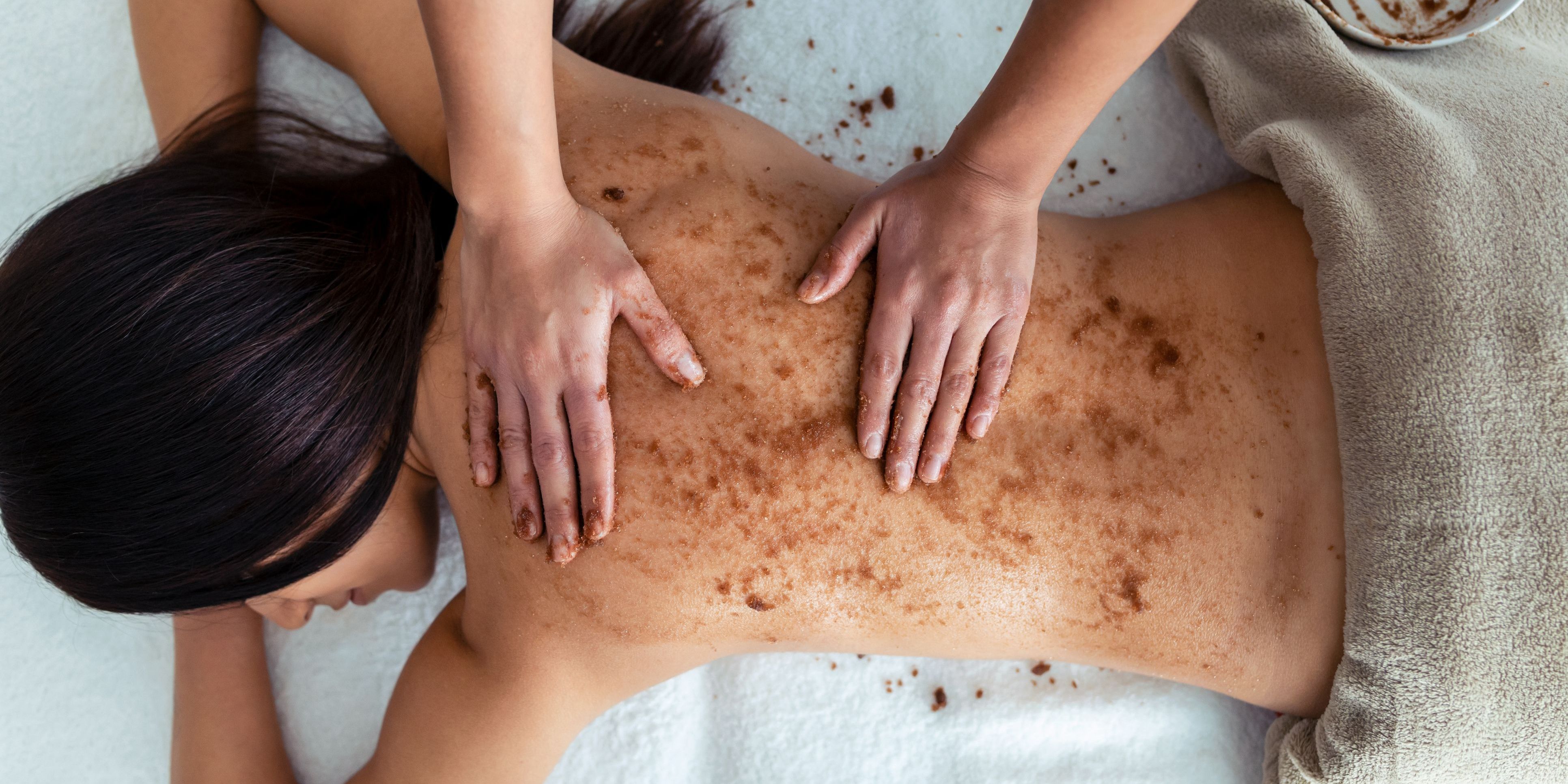
- Body Treatments – applying body wraps, scrubs, and masks to exfoliate, hydrate, and detoxify the skin
- Waxing – removing unwanted hair from various parts of the body using wax
- Massages – providing therapeutic or relaxation massages to enhance circulation and promote relaxation
- Cellulite Reduction – using specialized techniques and products to reduce the appearance of cellulite
- Laser Treatments – performing non-invasive procedures for hair removal, skin tightening, and addressing pigmentation issues
- Hydration and Moisturization – applying moisturizers and other hydrating products to improve skin texture and appearance
- Body Contouring – conducting non-surgical treatments aimed at reshaping and improving the body's appearance
- Skin Analysis and Consultation – assessing clients' skin conditions and providing personalized skincare advice and recommendations
- Maintaining Sanitation and Safety Standards – ensuring all tools and equipment are sanitized and used safely to prevent infections and other health issues
Types of Body Estheticians
Now that we have a sense of the scope of the body esthetician’s work, let’s look at some different types of these estheticians, often specializing in specific areas or treatments:
- Medical Estheticians – These estheticians work in medical settings such as dermatology clinics, plastic surgery offices, or medical spas. They often assist with pre- and post-operative skincare, perform advanced treatments like laser therapy, chemical peels, and work with patients undergoing medical treatments for skin conditions.
- Spa Estheticians – These professionals work in day spas, resort spas, or wellness centers. They focus on relaxation, stress relief, and rejuvenation treatments such as body wraps, scrubs, massages, and aromatherapy.
- Waxing Specialists – These estheticians focus primarily on hair removal services, including full-body waxing, Brazilian waxing, sugaring, threading, and other specialized waxing techniques.
- Massage Therapists – While not exclusively estheticians, some body estheticians incorporate therapeutic and relaxation massages into their services to improve skin health and overall wellbeing.
- Laser and Light Therapy Technicians – These specialists are trained in the use of laser technology and intense pulsed light (IPL) for various treatments, such as hair removal, skin resurfacing, and pigmentation correction.
- Cellulite and Body Contouring Specialists – These estheticians focus on non-surgical methods designed to reduce cellulite and reshape the body using techniques such as specialized massages and creams, ultrasonic cavitation, radiofrequency, and cryolipolysis.
- Hydration and Anti-Aging Specialists – These professionals focus on treatments and products, such as microdermabrasion and chemical peels, that deeply hydrate the skin and combat signs of aging.
- Lymphatic Drainage Specialists – These estheticians use specialized massage techniques to promote lymphatic drainage, which can help reduce swelling, improve circulation, and detoxify the body.
- Aromatherapists – These therapists utilize essential oils and other aromatic compounds in treatments to promote relaxation, enhance skin health, and improve overall wellbeing.
What is the workplace of a Body Esthetician like?
Body estheticians can work for a variety of establishments within the beauty and wellness industry. These are among their most common employers:
- Spas – Both day spas and resort spas hire body estheticians to provide a range of skincare and relaxation treatments.
- Salons – Many beauty salons offer skincare and body treatments as part of their services, employing body estheticians for these roles.
- Wellness Centers – These centers often focus on holistic health and wellness, including skincare treatments provided by body estheticians.
- Medical Spas – These facilities combine medical and aesthetic services, offering advanced skincare treatments that require the expertise of body estheticians with additional medical training.
- Dermatology Clinics – Dermatologists may employ body estheticians to assist with skincare treatments and provide complementary services to medical treatments.
- Plastic Surgery Practices – Surgeons may hire body estheticians to help with pre- and post-operative skincare and to offer treatments that enhance surgical results.
- Health Clubs and Fitness Centers – Some gyms and fitness centers have spa services, including body treatments provided by estheticians.
- Luxury Hotels and Resorts / Cruise Lines – High-end hotels and resorts, as well as cruise lines, often have on-site spas that employ body estheticians to cater to their guests.
- Freelance / Independent – Many body estheticians work independently, offering mobile services or renting space in existing salons and spas to provide treatments.
- Beauty Schools and Training Centers – Experienced body estheticians may also find employment as instructors, teaching aspiring estheticians the skills and techniques needed for the profession.
The workplace of a body esthetician can vary depending on the specific setting. Here’s what the typical workplace looks like in various environments:
Spas and Salons
- Ambiance – relaxing and tranquil with soothing music, dim lighting, and a pleasant aroma to enhance the client's experience
- Treatment Rooms – private or semi-private rooms equipped with massage tables, warmers, various skincare products, towels, and specialized equipment for treatments
- Cleanliness – high standards of hygiene and cleanliness are maintained, with regular sanitization of tools and surfaces
Wellness Centers
- Holistic Focus – emphasis on overall wellbeing, often integrating skincare with other wellness services like yoga, nutrition counseling, and holistic therapies
- Serene Atmosphere – calm and peaceful environment aimed at promoting relaxation and wellness
Medical Spas and Clinics
- Clinical Setting – a more clinical and professional atmosphere, often with a combination of medical and aesthetic equipment
- Advanced Equipment – presence of advanced devices for laser treatments, chemical peels, and other medical-grade procedures
- Collaboration – work alongside medical professionals like dermatologists and plastic surgeons
Health Clubs and Fitness Centers
- Energetic Environment – may be busier and more dynamic, with clients seeking treatments post-workout
- Diverse Clientele – clients often looking for treatments that complement their fitness and health routines
Luxury Hotels and Resorts / Cruise Ships
- Opulent Environment – high-end, luxurious settings designed to provide an exceptional and pampering experience for guests
- Variety of Services – offer a wide range of treatments, often incorporating elements of local culture or unique therapeutic techniques
Independent/Freelance
- Flexible Setting – varied locations such as clients' homes, rented spaces in salons, or home-based studios
- Personal Touch – ability to create a personalized and intimate setting tailored to their and their clients' preferences
In all these settings, body estheticians must maintain a high level of professionalism and attention to detail to ensure a safe and comfortable experience for their clients. They often wear professional attire, such as uniforms or scrubs, and follow strict hygiene protocols to maintain a sanitary environment.
How to become a Body Esthetician
Becoming a body esthetician involves a combination of formal education, training, and obtaining the necessary certifications or licenses. Here’s a comprehensive guide on how to pursue this career:
High School Diploma or Equivalent
Most esthetician programs require a high school diploma or GED as a prerequisite for enrollment.
Accredited Esthetician Program
Enroll in an esthetics and skincare program accredited by a recognized body, such as the National Accrediting Commission of Career Arts and Sciences (NACCAS) or state cosmetology boards in the United States, or a similar accrediting organization in your country. These programs are offered by cosmetology schools, vocational schools, or community colleges. The number of required training hours can vary, but generally ranges from 600 to 1,500 hours. Accredited programs meet requirements for licensing and typically take six to 12 months to complete, depending on whether you attend full-time or part-time.
The curriculum includes both classroom instruction and hands-on training in areas such as:
- Skin anatomy and physiology
- Skin analysis
- Sanitation and safety practices
- Body treatments (e.g., wraps, scrubs, masks)
- Hair removal techniques (e.g., waxing, sugaring)
- Basic massage techniques
- Use of esthetic equipment
- Client consultation and communication
Some programs offer optional specialized courses or modules focused on body esthetics, such as:
- Advanced body treatments and therapies
- Laser and light therapy
- Cellulite reduction techniques
- Aromatherapy
- Lymphatic drainage massage
Internship or Apprenticeship (Optional but Beneficial)
Gaining practical experience through internships or apprenticeships with salons, spas, or dermatology clinics, can be highly beneficial. This hands-on component allows you to apply what you've learned in a real-world setting under the supervision of established professionals.
Licensing Examination
Upon completion of an accredited training program, you must pass a state or national licensing exam. The exam typically includes:
- A written test covering theoretical knowledge of skincare and body treatments
- A practical skills assessment where you demonstrate your ability to perform various esthetic procedures safely and effectively
Continuing Education
The beauty industry constantly evolves, with new techniques, products, and technologies emerging regularly. Attend workshops, seminars, and continuing education courses to stay current with industry standards, trends, and advancements.








User's Comments
No comments there.